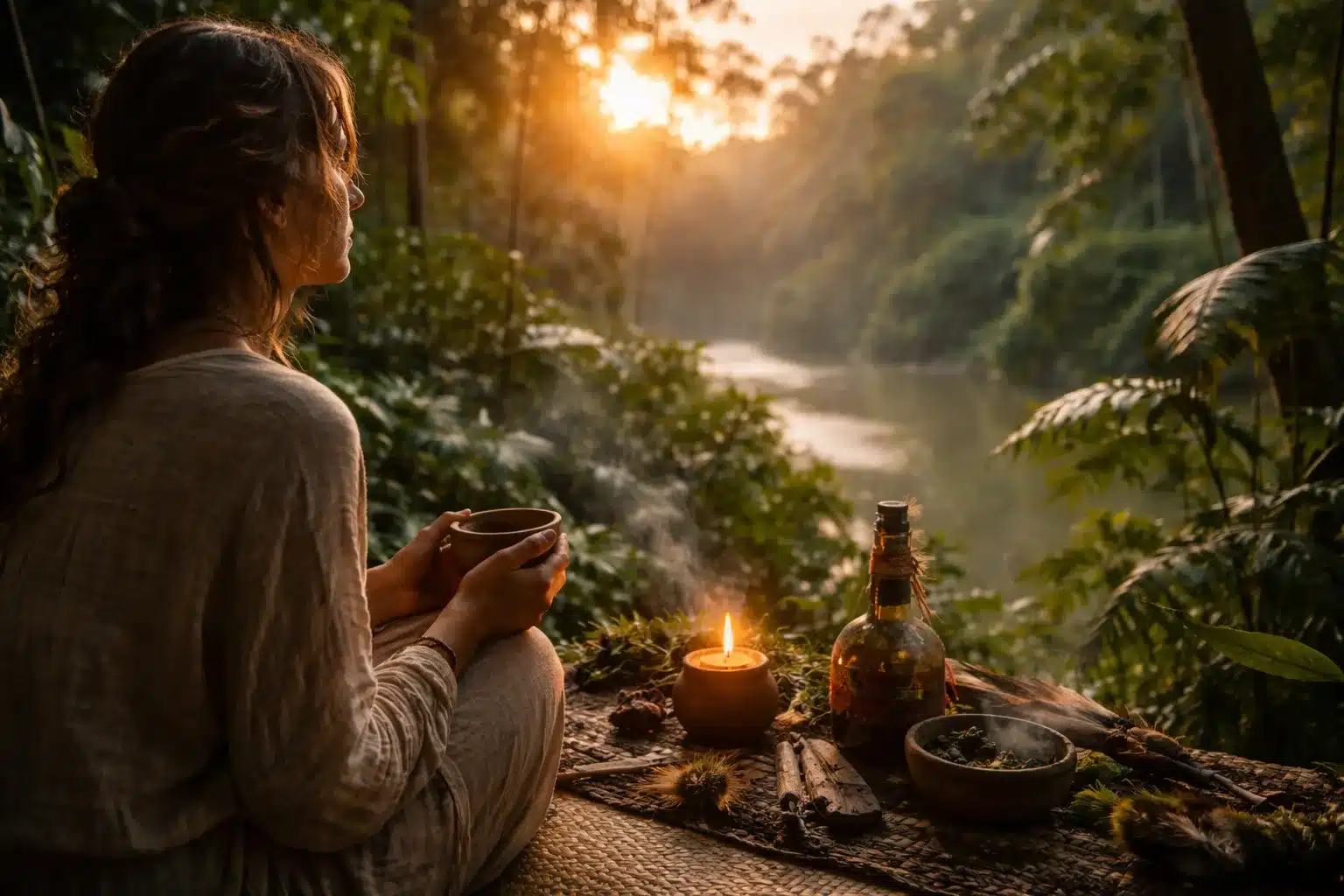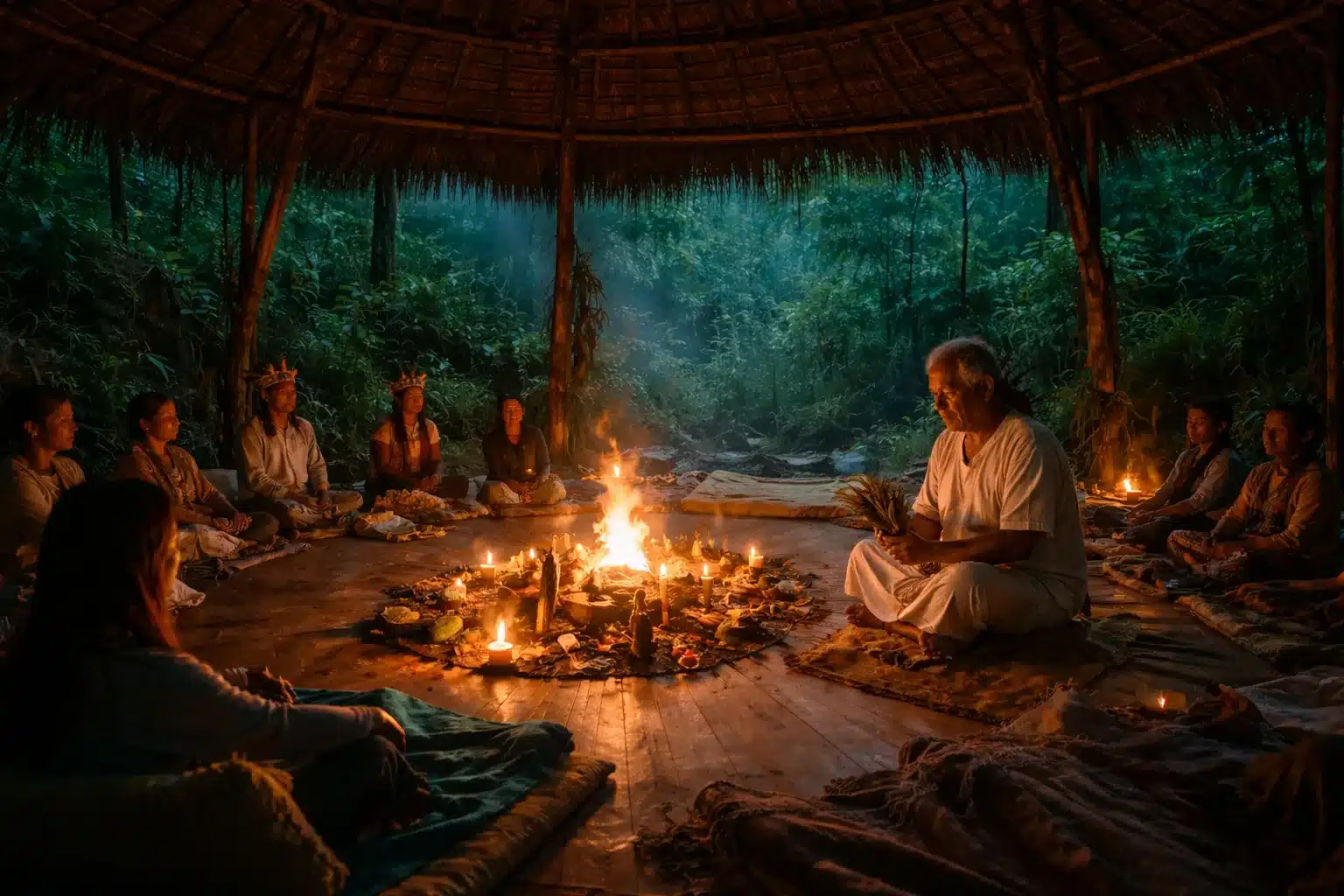


Ayahuasca tourism in Peru has grown steadily over the last two decades, drawing seekers from the United States, Canada, Europe and beyond into the heart of the Amazon rainforest. What was once a sacred practice reserved for indigenous communities has become a bridge between ancient wisdom and modern spiritual exploration. Yet, beyond the trend and the headlines, this path is not a simple adventure. It is a profound encounter with oneself, guided by the spirit of the jungle and the ancestral knowledge of Amazonian healers.
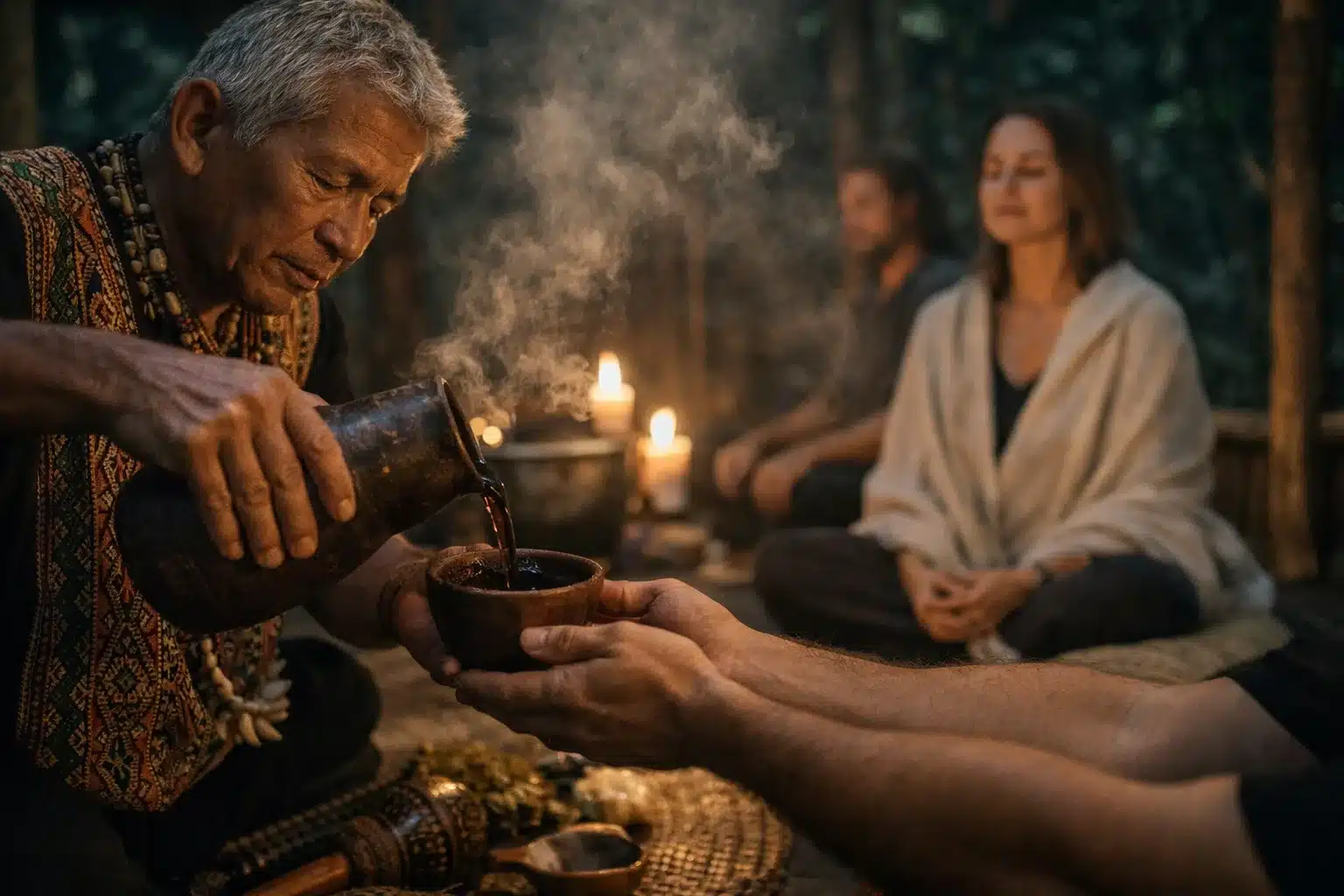
To understand ayahuasca tourism in Peru, one must first understand ayahuasca itself. Ayahuasca is a sacred plant medicine traditionally prepared from the Banisteriopsis caapi vine and the leaves of the chacruna plant. For centuries, indigenous peoples of the Peruvian Amazon have used this brew in ceremonial contexts for healing, spiritual insight and community guidance. The ceremony is led by a trained shaman, often called a maestro, who works with sacred songs known as icaros, tobacco, and other elements of the forest to guide participants through their inner journeys.
In recent years, international interest has transformed this ancestral practice into a form of spiritual travel. People arrive in cities like Iquitos, deep in the Amazon, seeking healing from emotional wounds, trauma, anxiety, depression or a sense of existential disconnection. Others come searching for clarity, purpose or spiritual awakening. The motivation may vary, but the essence remains the same: a desire to reconnect with something deeper than the surface of daily life.
Ayahuasca tourism in Peru usually involves participating in a structured retreat program. These retreats range from short stays of two or three days to longer immersions of one or two weeks. A well organized retreat includes several key elements. First, there is preparation. Participants receive guidance about dietary restrictions, often referred to as dieta, which involves avoiding certain foods, alcohol and other substances before the ceremony. This preparation is intended to purify the body and create a respectful space for the medicine to work.
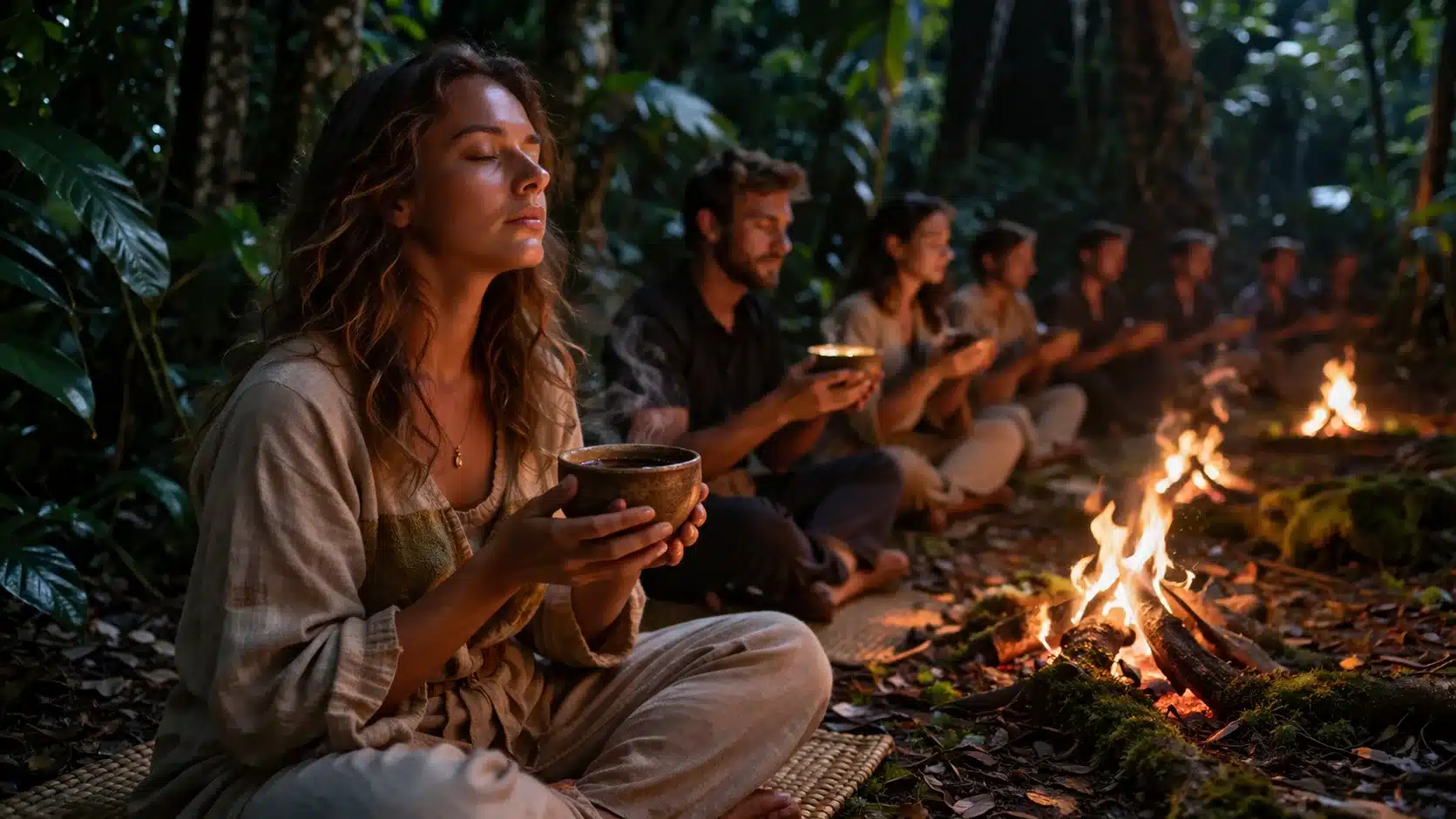
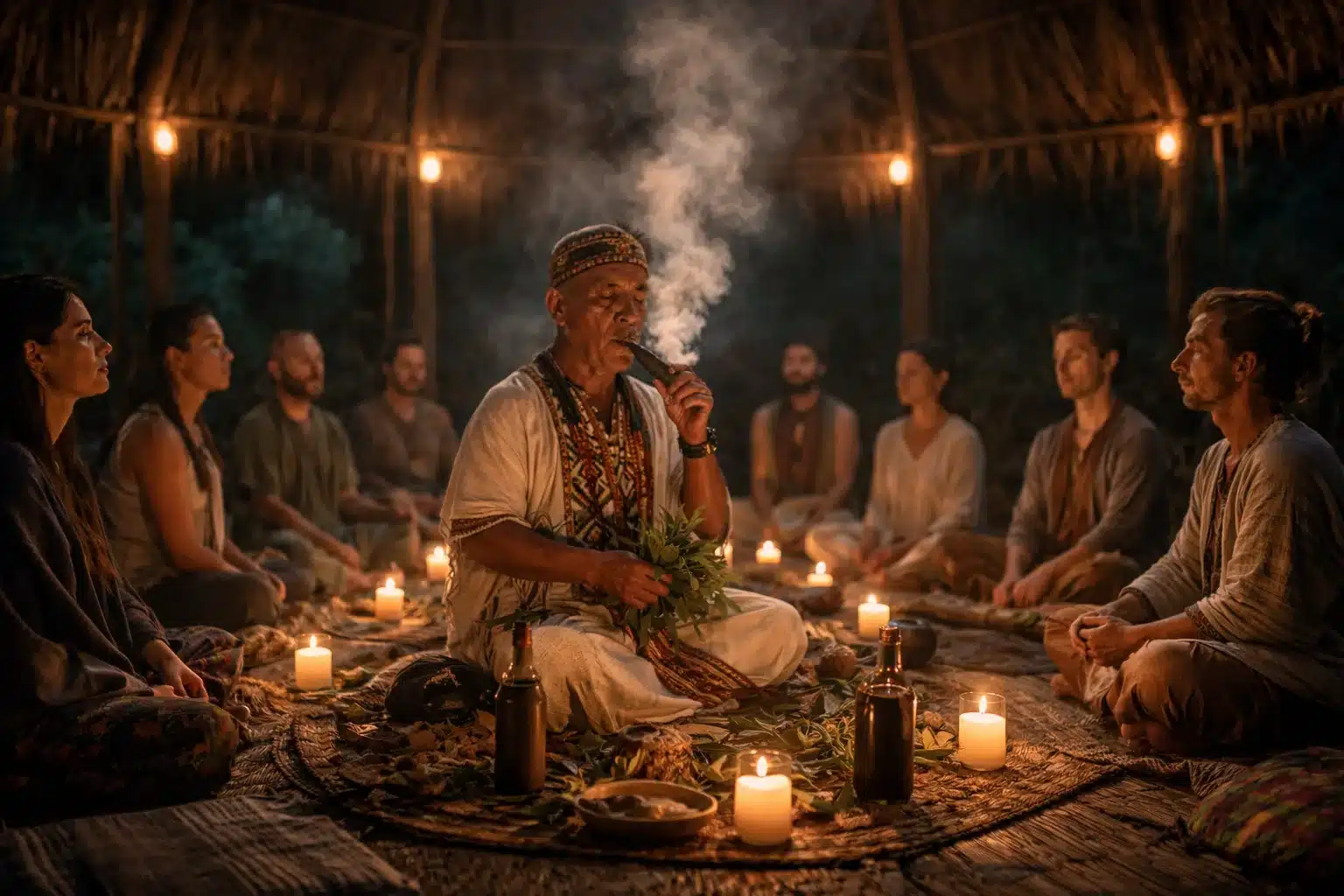
Second, there is the ceremonial setting itself. Ceremonies are typically held at night in a ceremonial house called a maloca. Participants sit or lie down in a circle, each with their own space. The shaman begins by blessing the space and invoking protection. When the medicine is served, each person drinks a small cup of the brew and returns to their place in silence. The effects may begin within thirty to sixty minutes and can last several hours. Experiences vary widely. Some people encounter vivid visions, others experience deep emotional release, physical sensations or insights that arise like memories from the depths of the soul.
Safety is one of the most important aspects of responsible ayahuasca tourism in Peru. Not all centers operate with the same standards. A reputable retreat conducts health screenings, provides clear information, limits group sizes and ensures that experienced facilitators are present throughout the night. Medical conditions, mental health history and medication use must be considered carefully before participation. When conducted responsibly, in a safe and supportive environment, the ceremony can be a powerful catalyst for healing.
Among the centers committed to authenticity and safety is the Awkipuma Spiritual Center, located near the community of Tamshiyacu, close to Iquitos in the Peruvian Amazon. Awkipuma is not a large commercial operation. It is a family rooted in Amazonian tradition, offering small group retreats designed to provide personalized attention and genuine spiritual guidance.
At Awkipuma, the experience begins long before the first ceremony. Participants receive detailed information about how to prepare physically and mentally. The team maintains open communication, answering questions about safety, travel logistics and expectations. This transparency builds trust, which is essential for those traveling across the world to experience such a profound ritual.
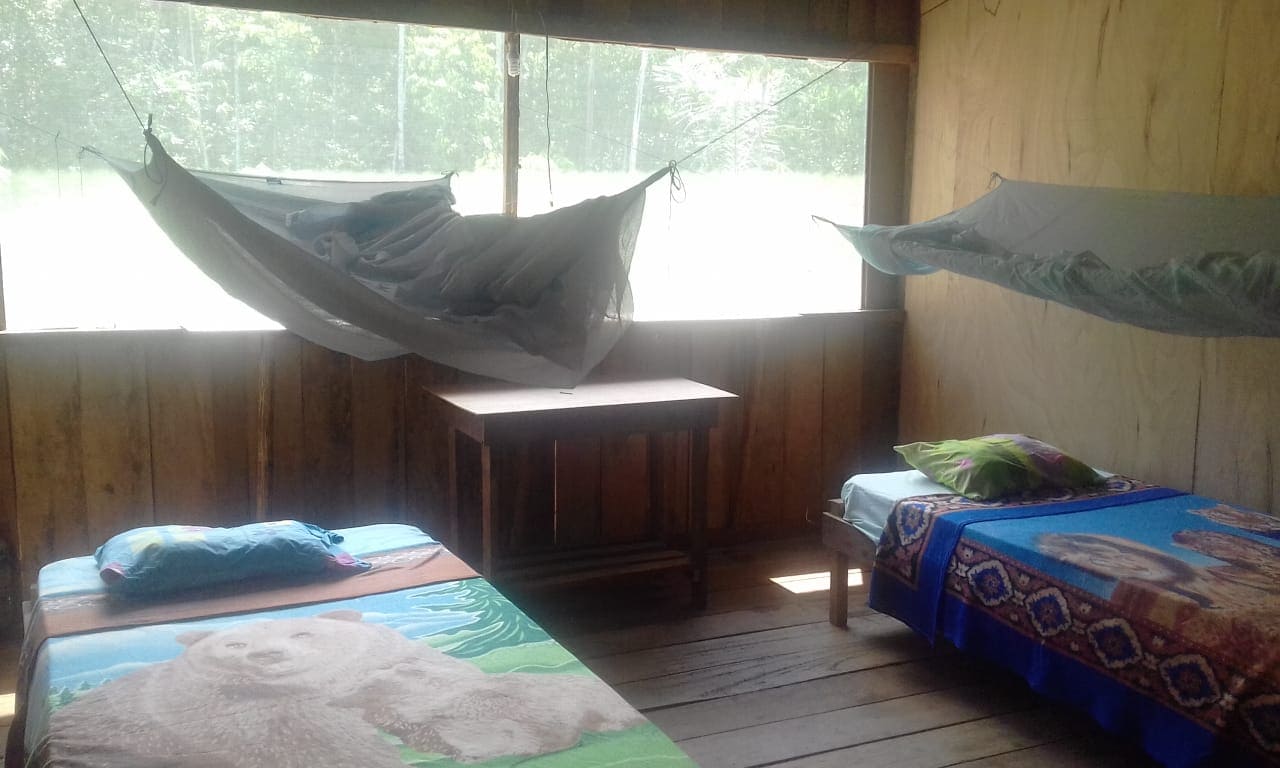
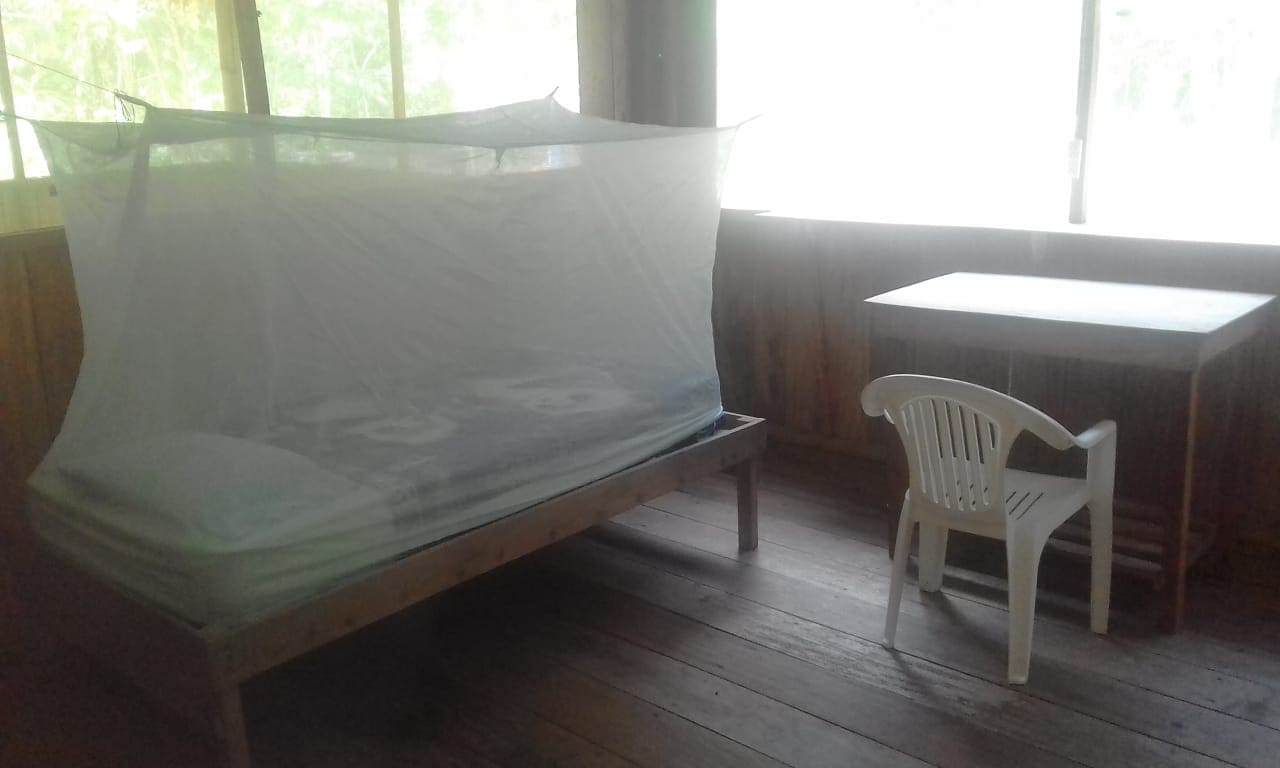
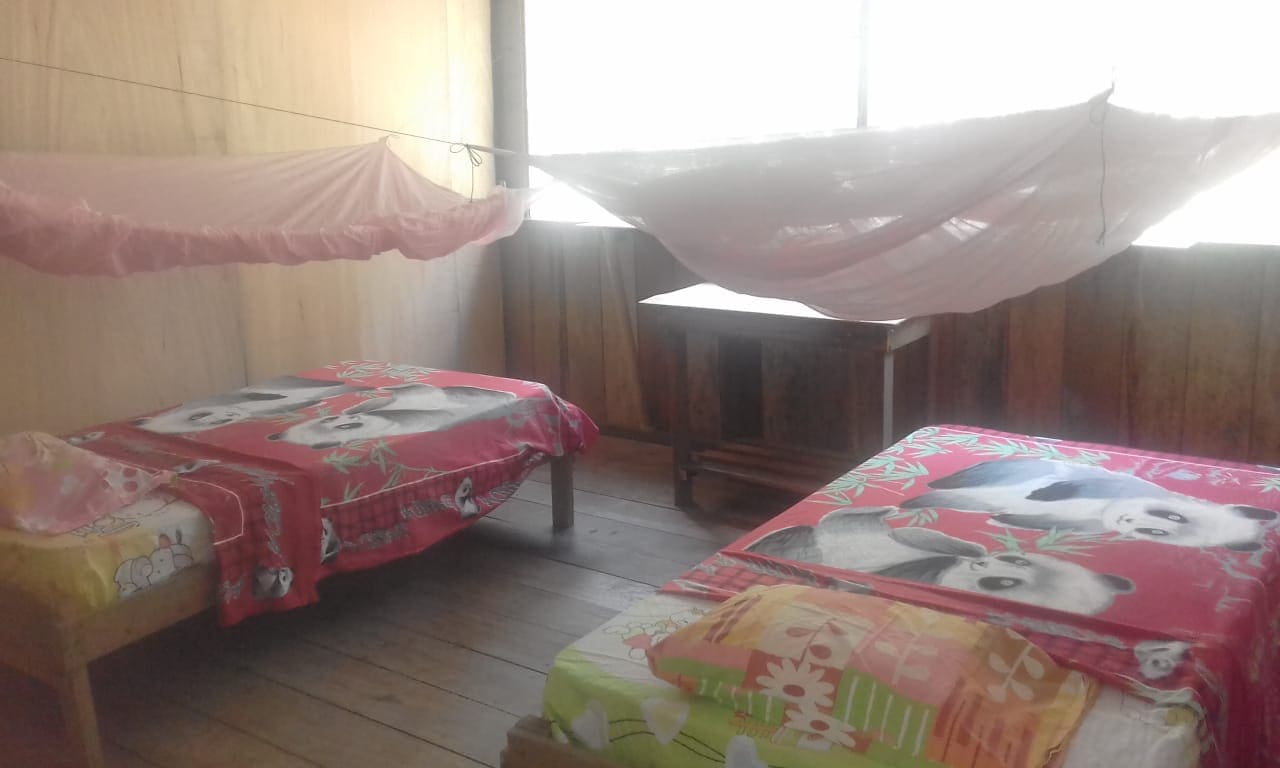
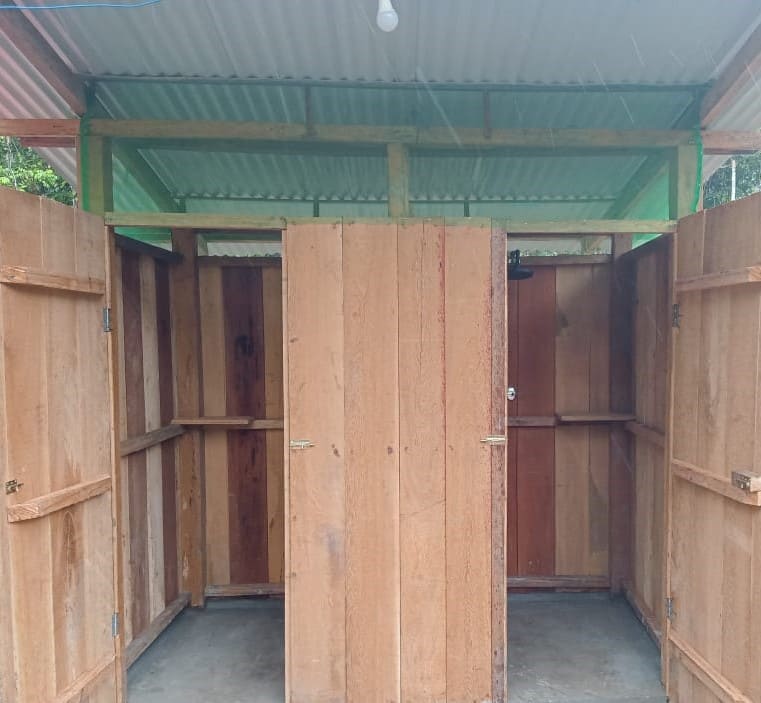
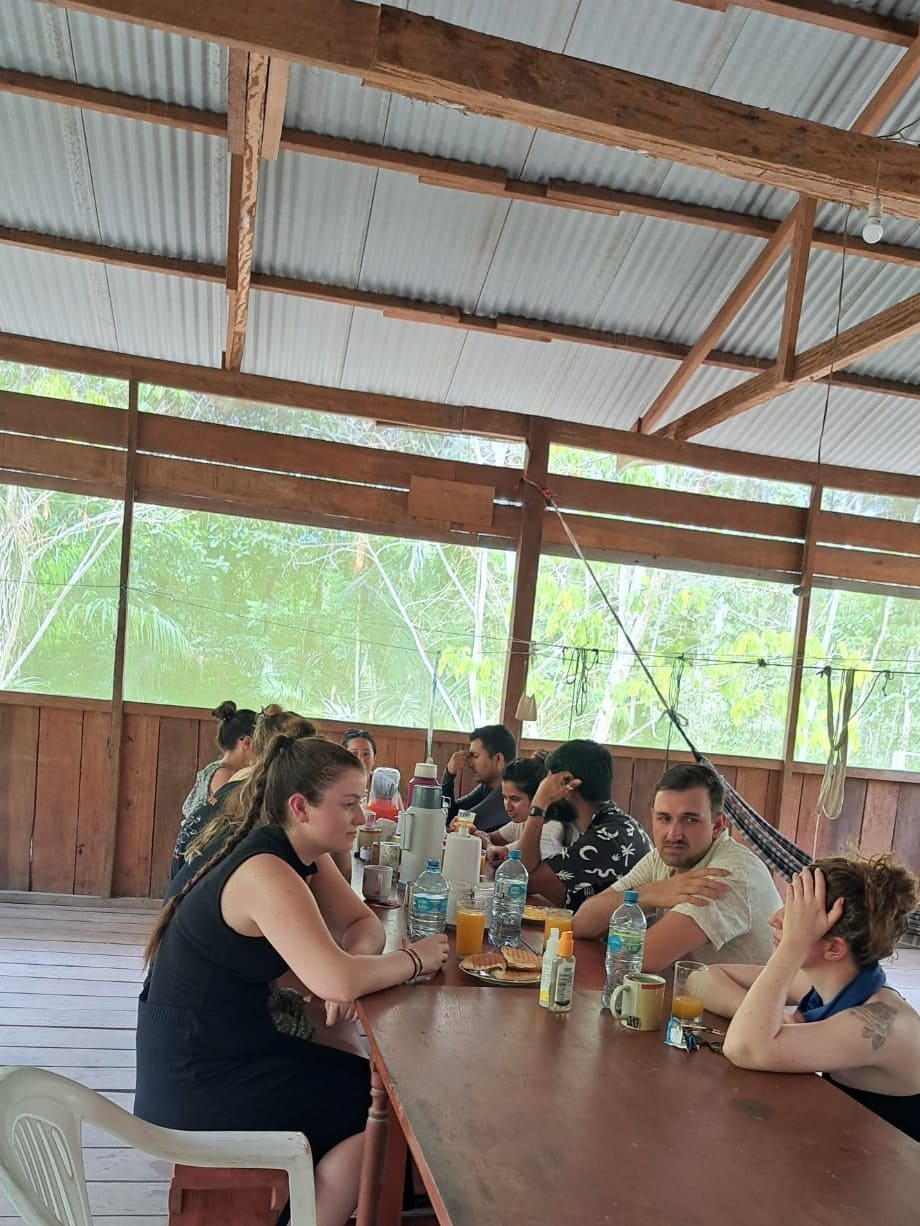
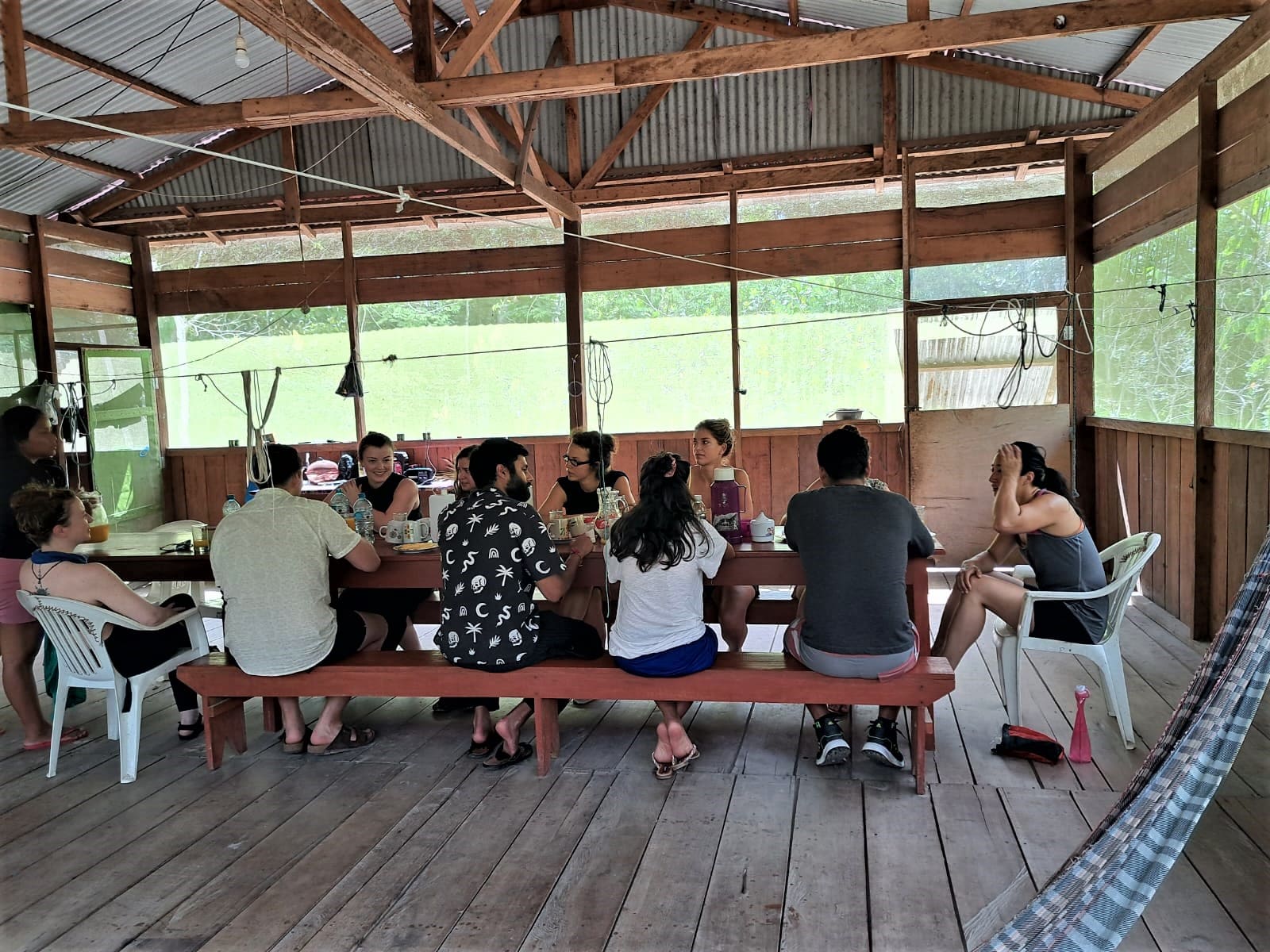
The ayahuasca retreats at Awkipuma include comfortable jungle accommodations, healthy meals prepared according to traditional dietary guidelines and daily activities that deepen the connection with nature. Participants may walk through the forest, learn about medicinal plants and engage in conversations about the cosmology and worldview of Amazonian spirituality. The ceremonies themselves are guided by experienced shamans who have grown up within this tradition. The focus is on creating a safe container where each participant can navigate their process with support and respect.
Unlike larger centers that host dozens of people at once, Awkipuma works with small groups. This intimate approach allows facilitators to observe each participant closely and offer individualized care. Integration is also a priority. After each ceremony, there is space for sharing and reflection. Integration conversations help participants make sense of their experiences and apply the insights to their everyday lives once they return home.
The growth of ayahuasca tourism in Peru has sparked important discussions about ethics and cultural respect. It is essential that visitors approach the experience with humility rather than consumption. Ayahuasca is not a recreational substance. It is a sacred medicine within a living tradition. Responsible centers emphasize respect for indigenous knowledge, fair compensation for local communities and sustainable practices that protect the rainforest environment.
From a psychological perspective, research into psychedelic-assisted therapy has begun to explore the potential benefits of substances like ayahuasca in controlled settings. While scientific studies are still evolving, many participants report reductions in symptoms of depression and anxiety, as well as increased emotional openness and life satisfaction. However, these outcomes depend heavily on context, preparation and integration. The ceremony is not a magic solution. It is a doorway that requires personal commitment and responsibility.
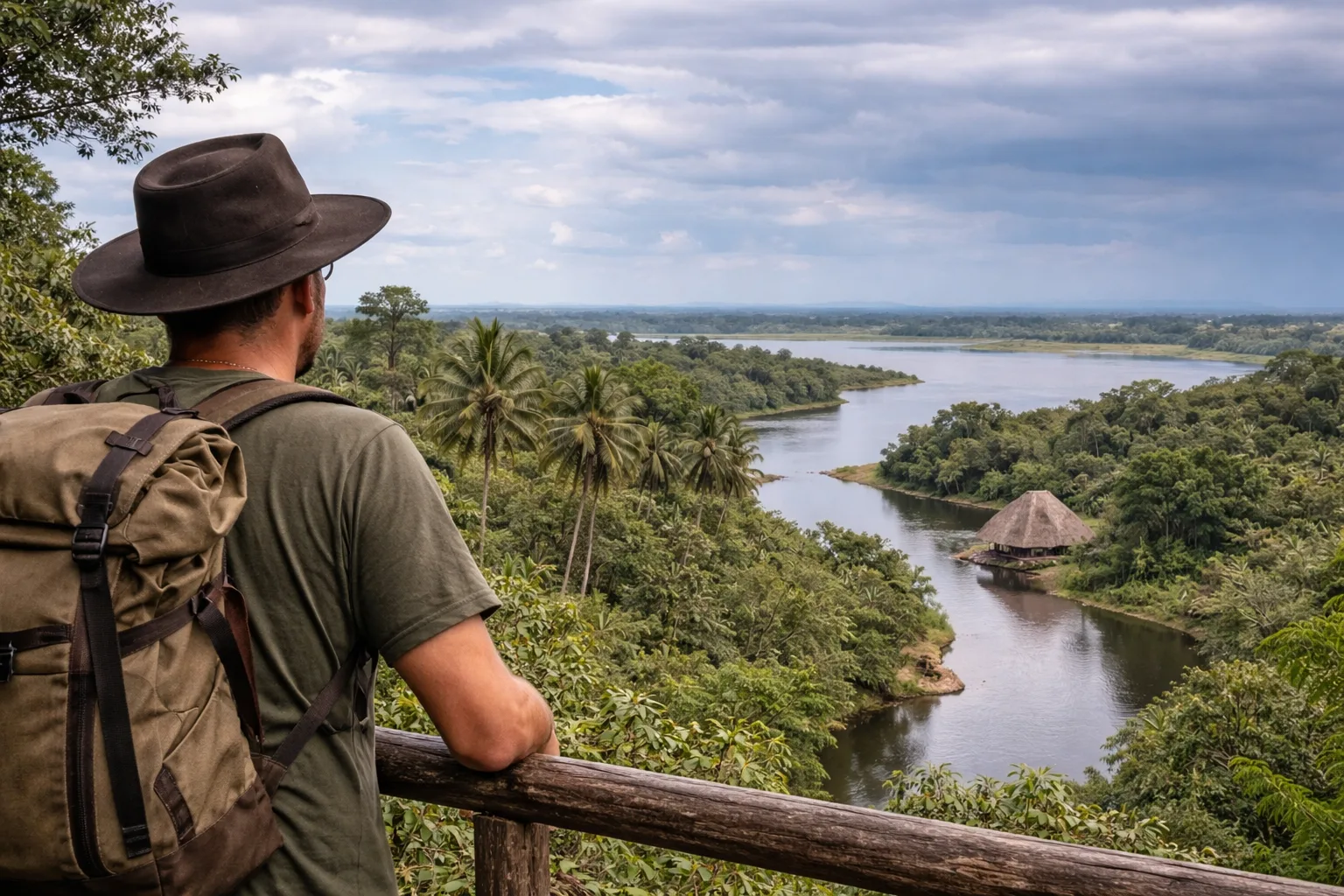
Traveling to the Amazon for a retreat also involves practical considerations. Visitors typically fly into Lima and then take a domestic flight to Iquitos, a city accessible only by air or river. From there, retreat centers arrange transportation to their jungle locations. Participants should ensure they have appropriate vaccinations and travel insurance and follow all medical recommendations. A trustworthy center will provide guidance on these requirements well in advance.
Ultimately, ayahuasca tourism in Peru represents a meeting point between ancient wisdom and modern longing. In a world marked by speed, digital saturation and emotional fragmentation, the Amazon offers a radically different rhythm. The jungle teaches patience. The ceremony invites surrender. The medicine reflects back what we carry inside, both light and shadow.
At Awkipuma, this journey is held with care, tradition and authenticity. It is not marketed as an escape from life, but as a return to oneself. The small group format, the connection to the Tamshiyacu community and the family rooted approach create an environment where transformation can unfold naturally. Participants leave not only with memories of the rainforest, but with a deeper understanding of their own inner landscape.
For those considering this path, the key is discernment. Research carefully. Ask questions. Choose a center that values safety, transparency and cultural respect. When approached with sincerity and preparation, ayahuasca tourism in Peru can become more than a trip. It can become a profound chapter in the story of personal healing and spiritual awakening, guided by the ancient heartbeat of the Amazon.