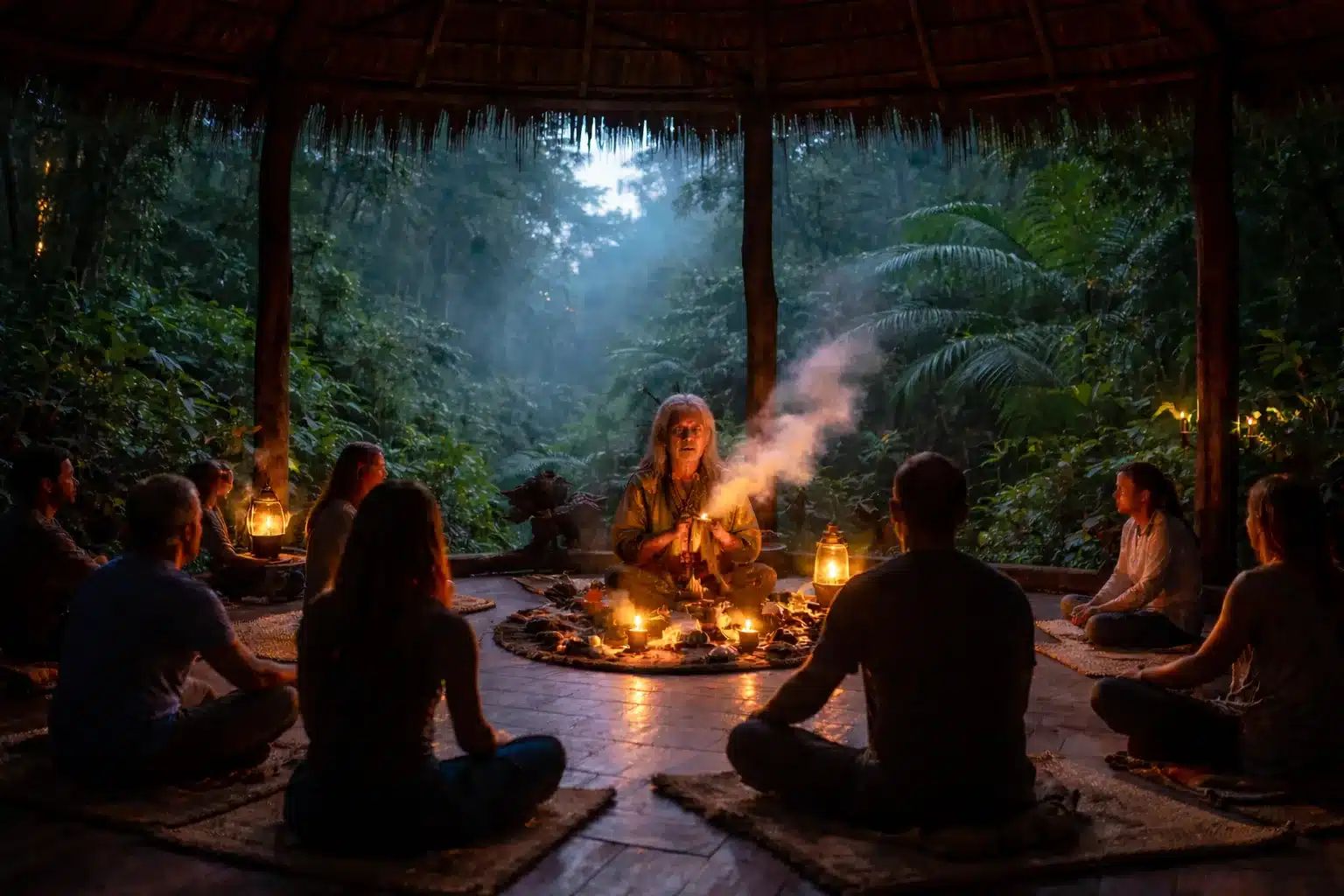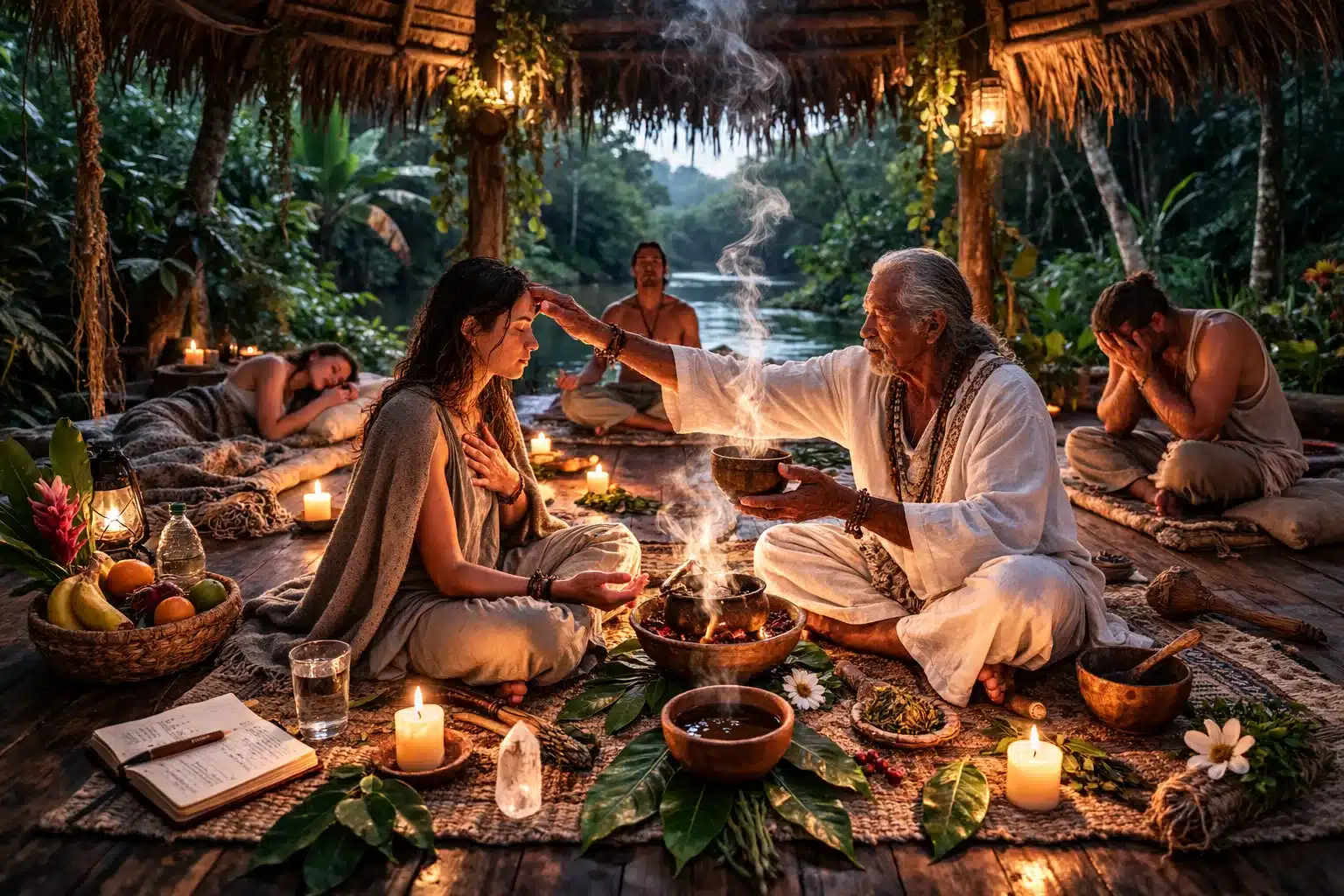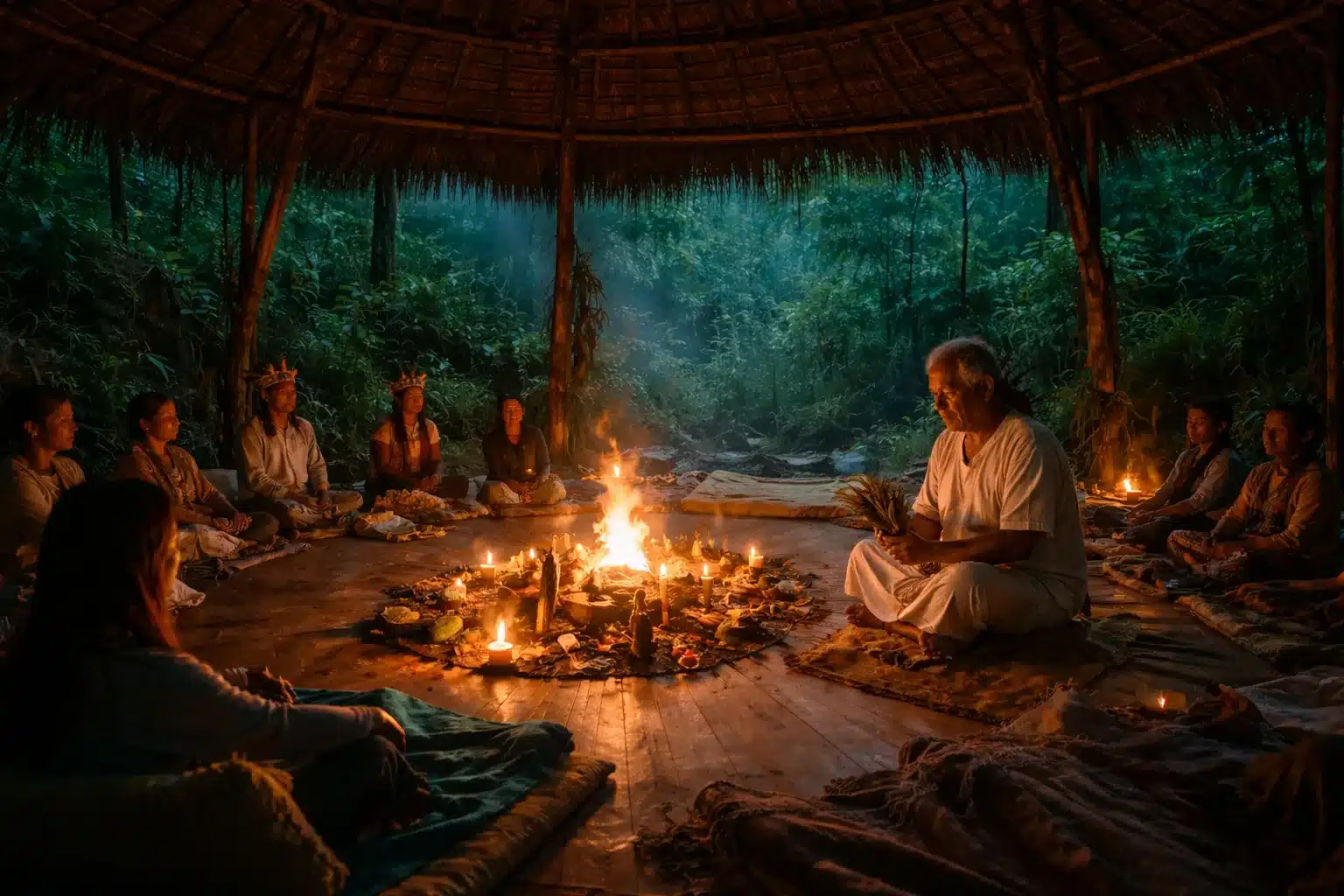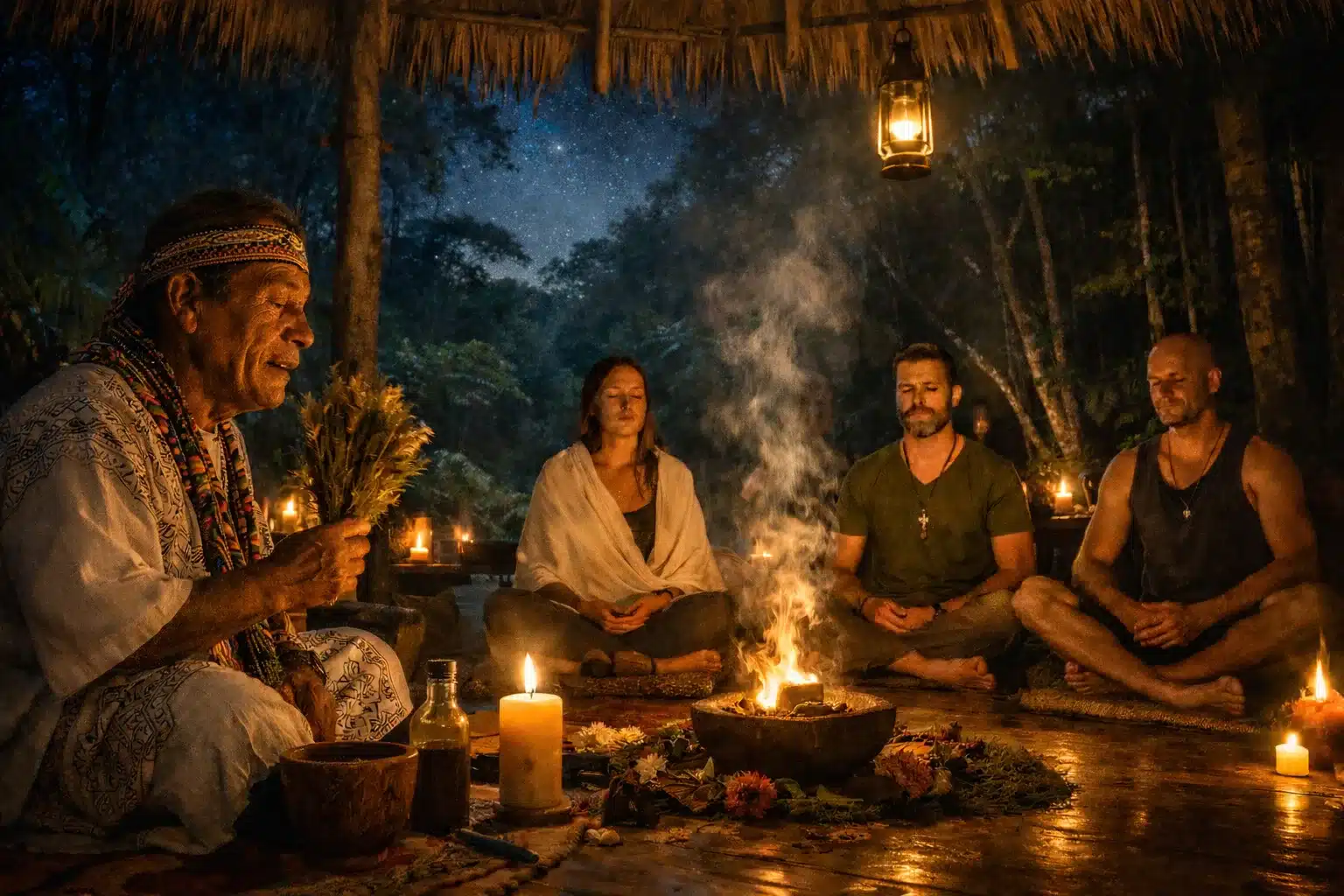


Choosing the right ayahuasca retreat is one of the most important decisions you can make on your spiritual and healing journey. The medicine itself is powerful, but the environment, facilitators, safety protocols, and cultural integrity surrounding the experience shape everything that happens before, during, and after the ceremonies.
Peru — the birthplace of this ancestral tradition — is home to many centers, each offering a different approach. But not all retreats operate with the same level of responsibility or respect. Asking the right questions ensures that your ayahuasca retreat Peru will be safe, authentic, and truly transformative.
Below is a guide to help you evaluate any center you are considering, and to understand how Awkipuma aligns with the highest standards of safety, tradition, and personalized care.
1. Who Leads the Ceremonies, and What Is Their Experience?
The facilitator or healer (curandero) is essential to your experience. Their training, lineage, and ethical approach determine the energetic protection and spiritual guidance you receive.
Questions to ask:
-
How many years has the healer been working with Ayahuasca?
-
Have they trained in a traditional lineage?
-
Do they conduct the ceremonies themselves or rely on assistants?
-
Do they guide integration and preparation?
Awkipuma’s approach:
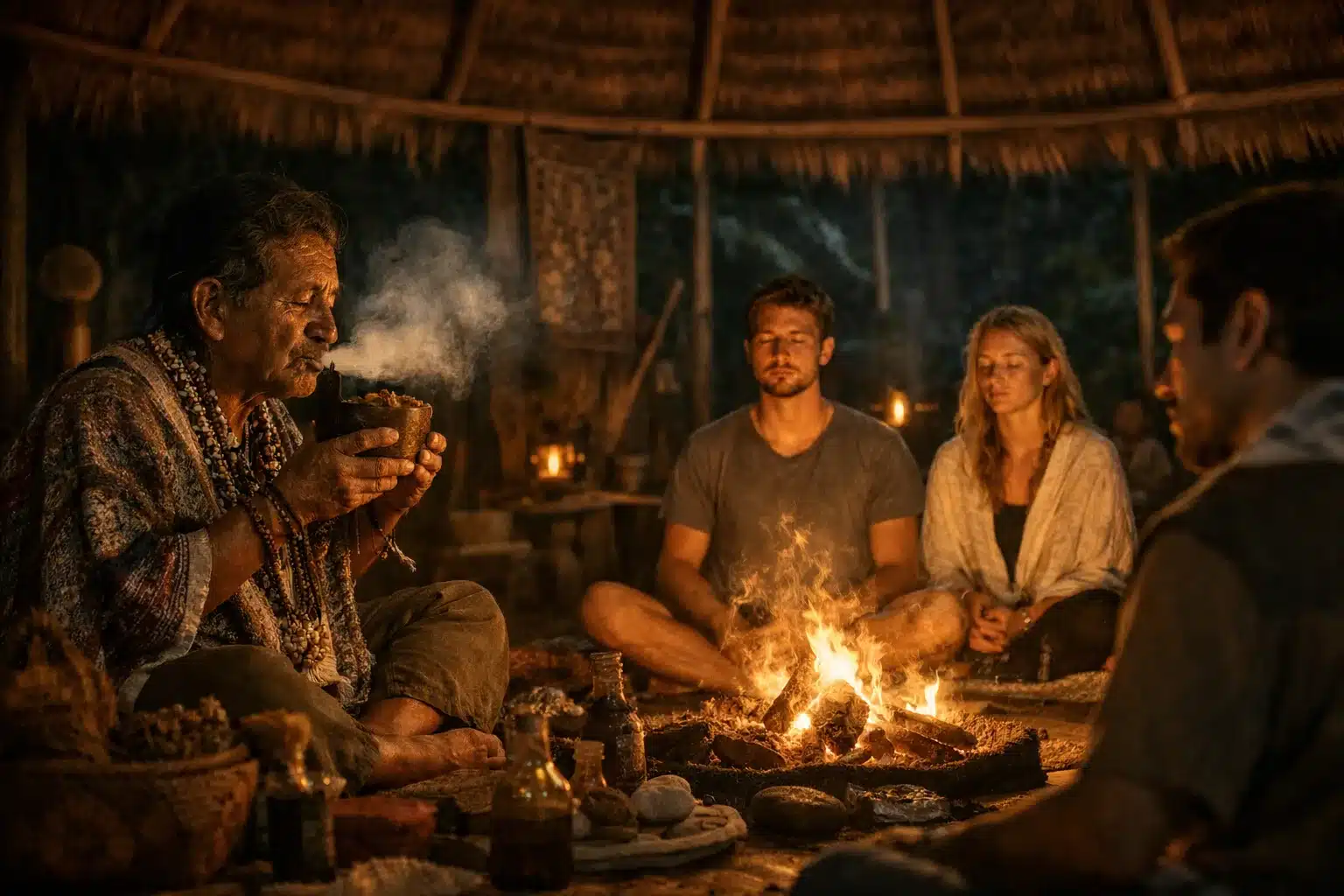
Ceremonies are led by experienced Amazonian healers who carry ancestral knowledge passed through generations. Their guidance is personal, respectful, and rooted in tradition — not commercial tourism.
2. What Is the Group Size?
Group size deeply affects the quality of your experience.
Smaller groups allow for:
-
More individual attention
-
Better energetic containment
-
A safer environment
-
Stronger connection between participants and facilitators
Large centers may host 20–50 people per ceremony, which can dilute both safety and personal support.
Questions to ask:
-
How many participants are in each ceremony?
-
How many facilitators or assistants support the group?
Awkipuma’s approach:
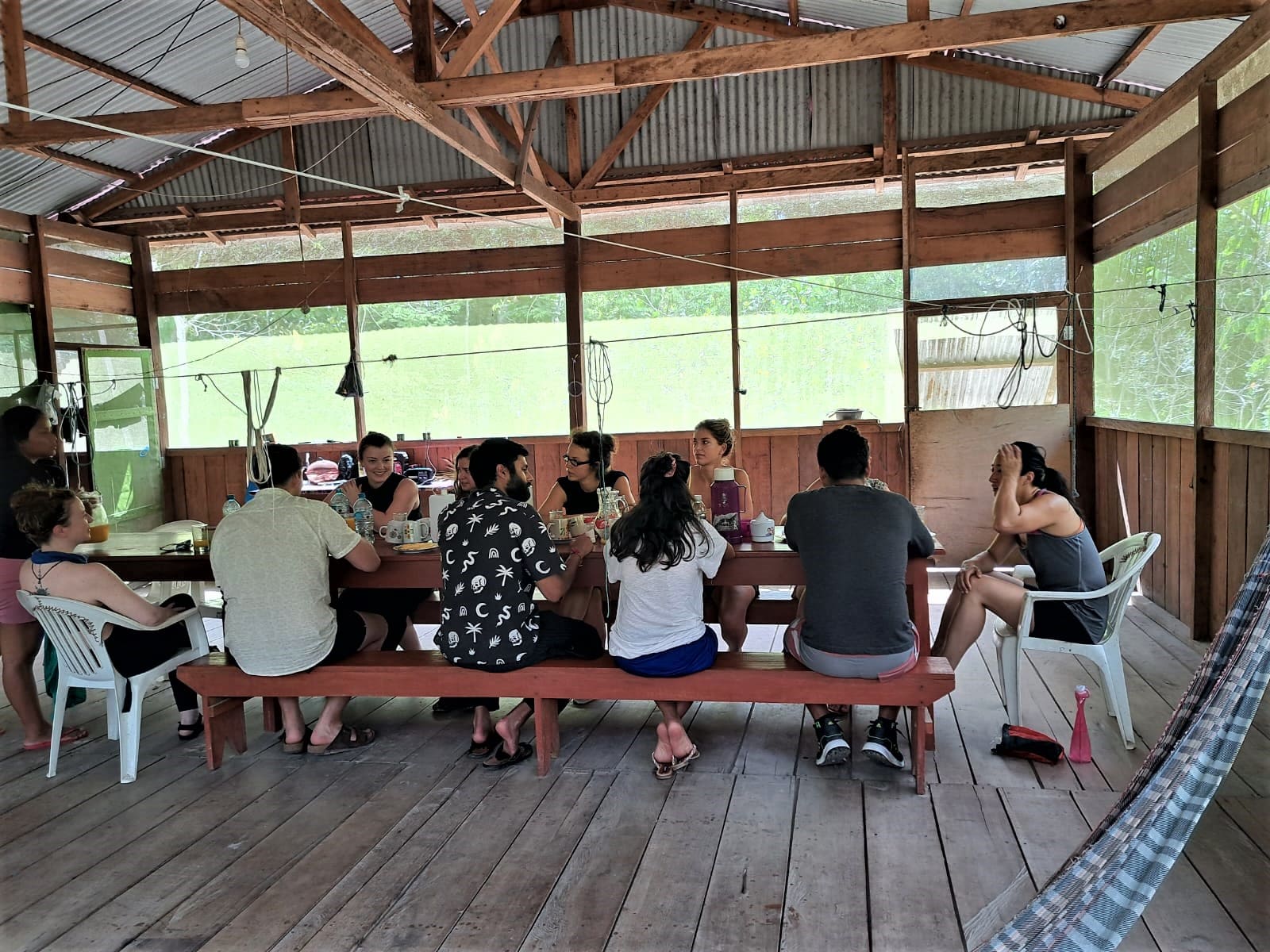
We intentionally work with small, intimate groups. This allows every participant to feel seen, supported, and cared for from the moment they arrive.
3. What Safety Protocols Are in Place?
Safety is the foundation of any responsible ayahuasca retreat Peru.
A trustworthy center will prioritize physical, emotional, and energetic safety at every step.
Questions to ask:
-
Do they conduct medical screening before acceptance?
-
Are there contraindications regarding medications or conditions?
-
Is there trained staff available during ceremonies?
-
Do they offer support in case of emotional overwhelm?
Awkipuma’s approach:
Participants undergo a thorough screening. Our team is present throughout the ceremony, and the space is held with care and protection according to Amazonian tradition.
4. What Is the Dieta (Preparation and Food) Like?
Traditional dieta supports the medicine’s work by cleansing the body and mind.
It also ensures the ceremony is safe and energetically aligned.
Questions to ask:
-
Do they provide clear pre-retreat dietary instructions?
-
What type of food is served during the retreat?
-
Is the diet adapted to modern needs while respecting tradition?
Awkipuma’s approach:
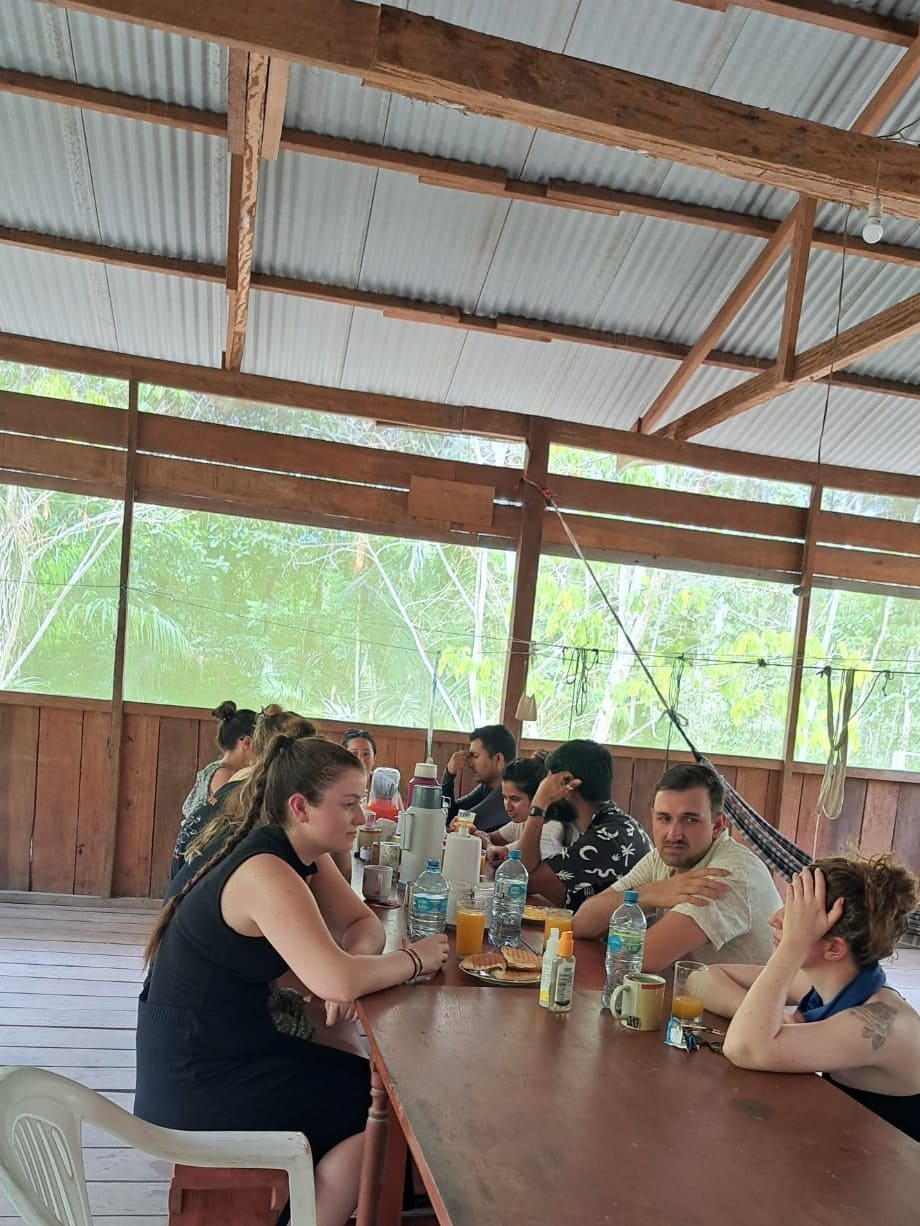
We follow a clean, simple dieta aligned with ancestral guidance: plant-based meals, low salt, and foods that help participants stay grounded and open.
5. How Many Ceremonies Are Included, and What Is the Structure of the Retreat?
Every center has its own rhythm. Some offer nightly ceremonies, others alternate with rest and reflection days.
Questions to ask:
-
How many ceremonies are included in the program?
-
Is there time for integration between ceremonies?
-
Are activities like meditation, plant baths, or sharing circles offered?
Awkipuma’s approach:
Our retreats balance ceremony with rest, reflection, and grounding practices. Participants are guided gently — never rushed —through their healing process.
6. What Kind of Support Is Offered Before and After the Retreat?
Integration is essential. The retreat ends, but the teachings continue.
Questions to ask:
-
Do they offer guidance before arrival?
-
Are integration sessions provided after the retreat?
-
Can you contact the team if you need support?
Awkipuma’s approach:
We stay connected with participants even after they return home. Integration help is always available because healing doesn’t end at the maloka door — it evolves in your everyday life.
7. Is the Location Safe, Authentic, and Connected to Nature?
The environment shapes your emotional state.
The Amazon rainforest offers silence, harmony, and spiritual presence — elements that are essential to deep work.
Questions to ask:
-
Is the retreat located in a safe and peaceful area?
-
Is it accessible yet immersed in nature?
-
Is it part of a local community?
Awkipuma’s approach:
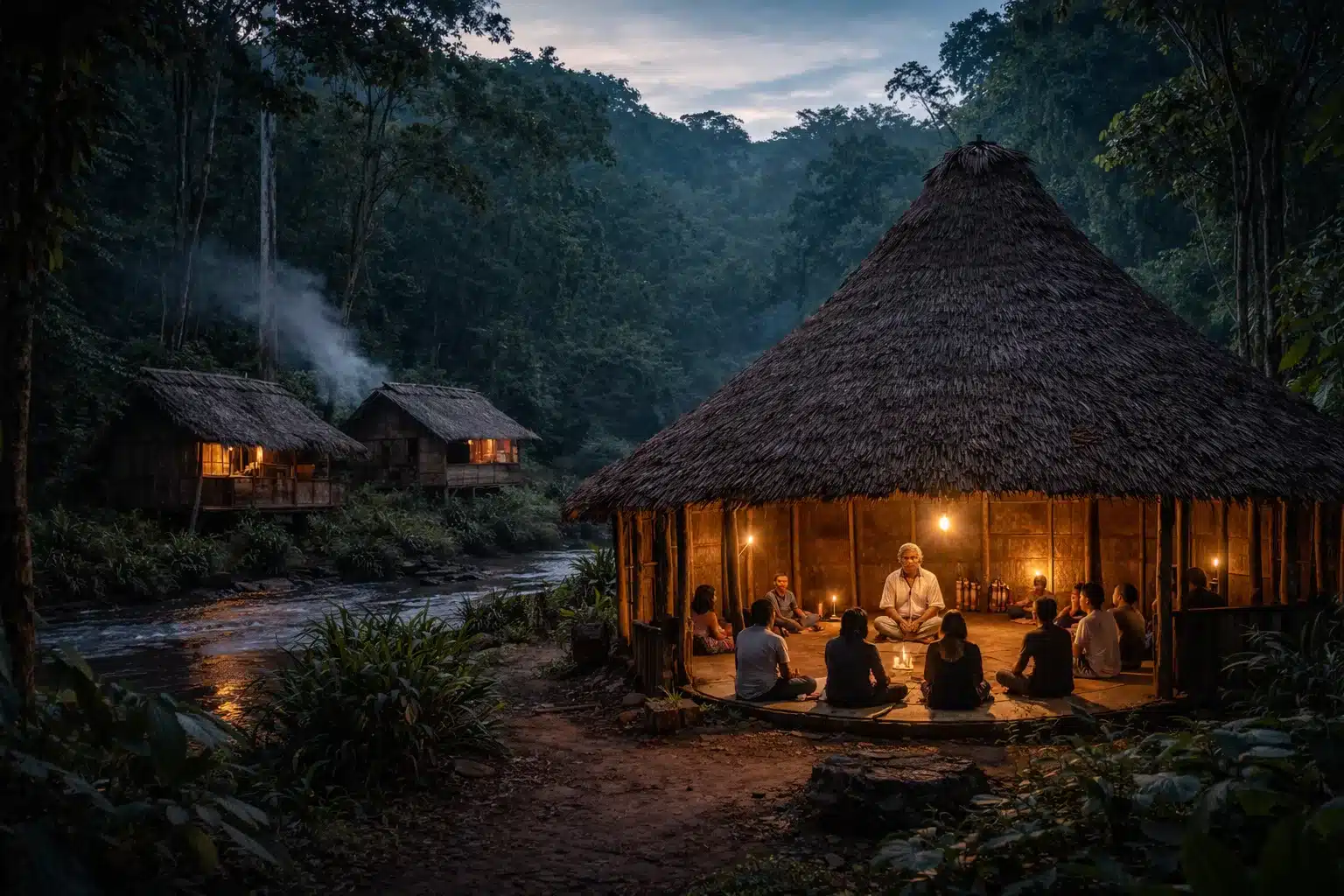
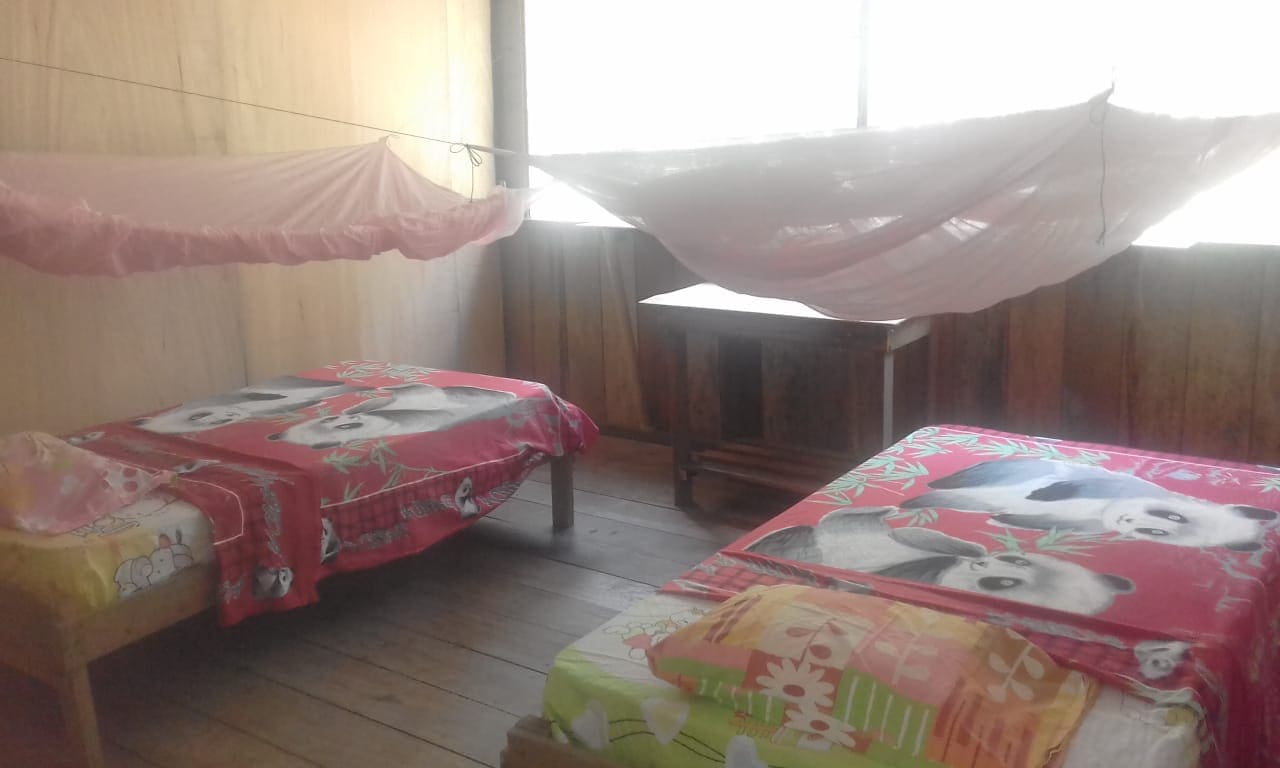
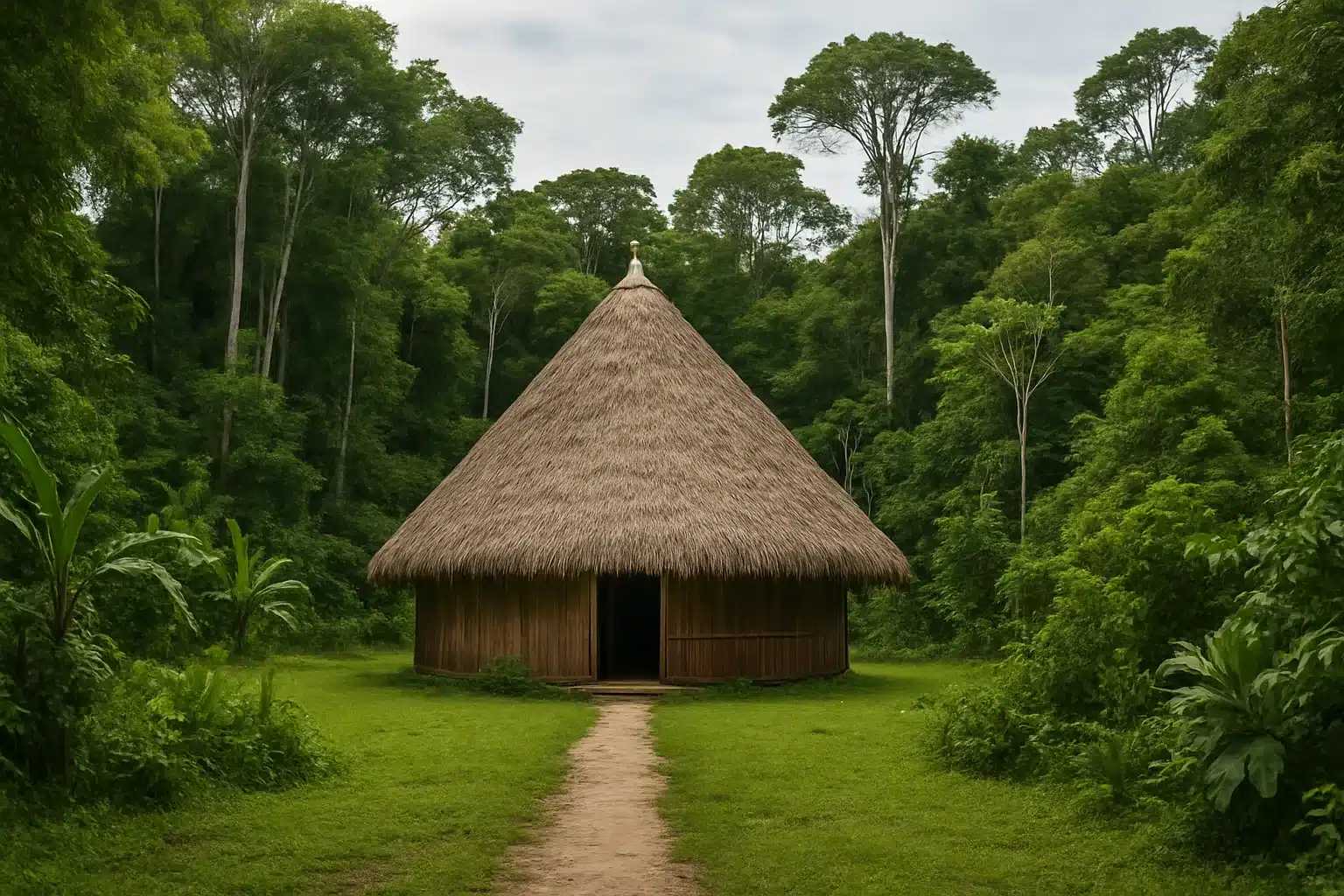
Located near Tamshiyacu, outside the noise of Iquitos, Awkipuma provides a serene sanctuary surrounded by the living spirit of the jungle.
8. Does the Center Respect the Cultural and Spiritual Roots of Ayahuasca?
This medicine is sacred.
A retreat must honor its Amazonian origins — not appropriate or distort the tradition.
Questions to ask:
-
Are ceremonies held in a traditional structure?
-
Do the facilitators follow ethical, cultural, and spiritual guidelines?
-
Is the retreat run by or connected to local indigenous families?
Awkipuma’s approach:
Awkipuma is a family-rooted Amazonian center, not a commercial enterprise. Everything we do is guided by respect for our elders, land, and tradition.
Final Guidance: Choose With Your Heart, But Also With Wisdom
Selecting an ayahuasca retreat Peru is not about choosing the most popular center — it is about choosing the one that respects you, the medicine, and the ancestral tradition.
When you ask the right questions, you create the right conditions for healing.
At Awkipuma, we honor this journey with authenticity, safety, and heart. Whether you join us or choose another path, may your retreat be guided by clarity, respect, and the whisper of the Amazon within you.