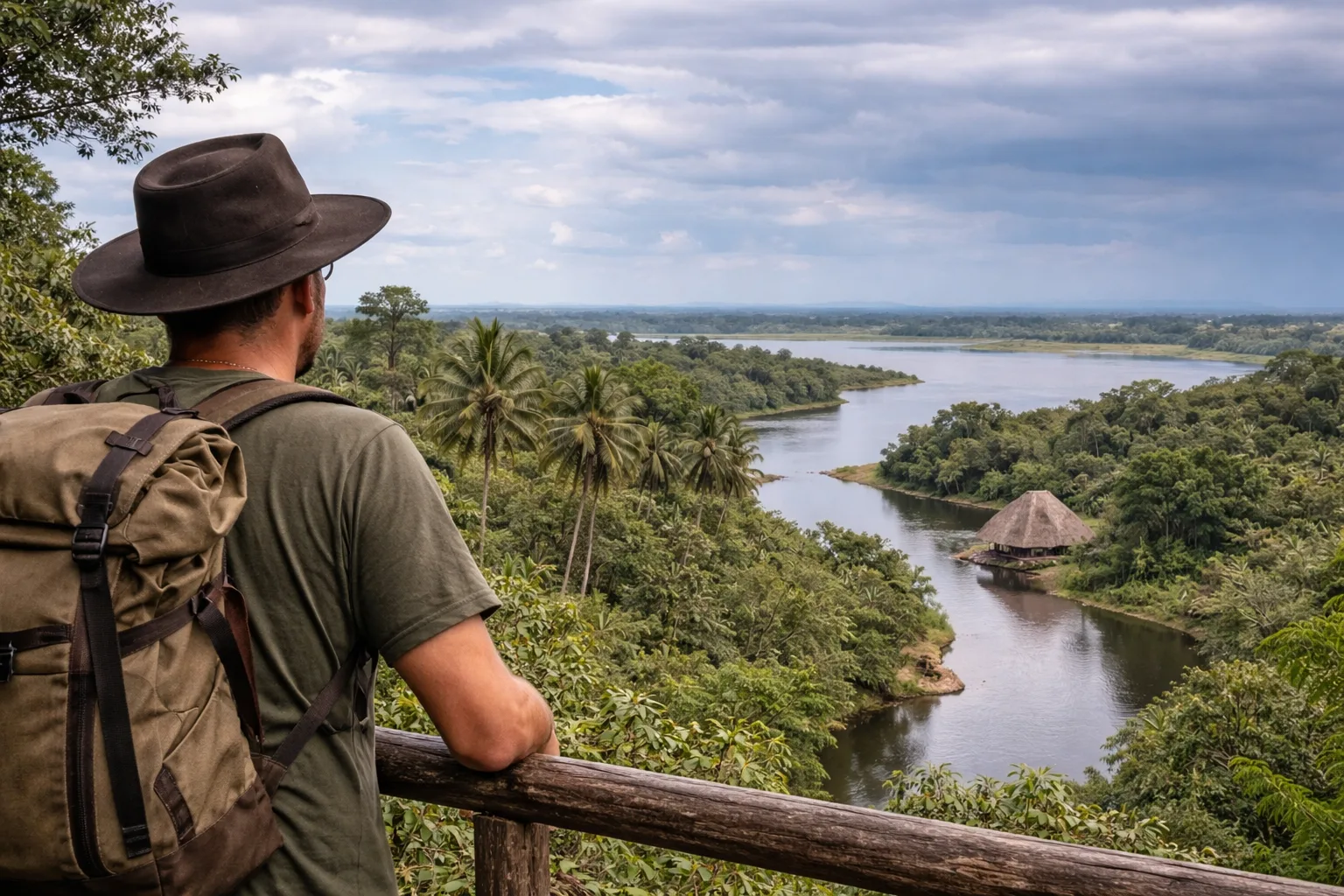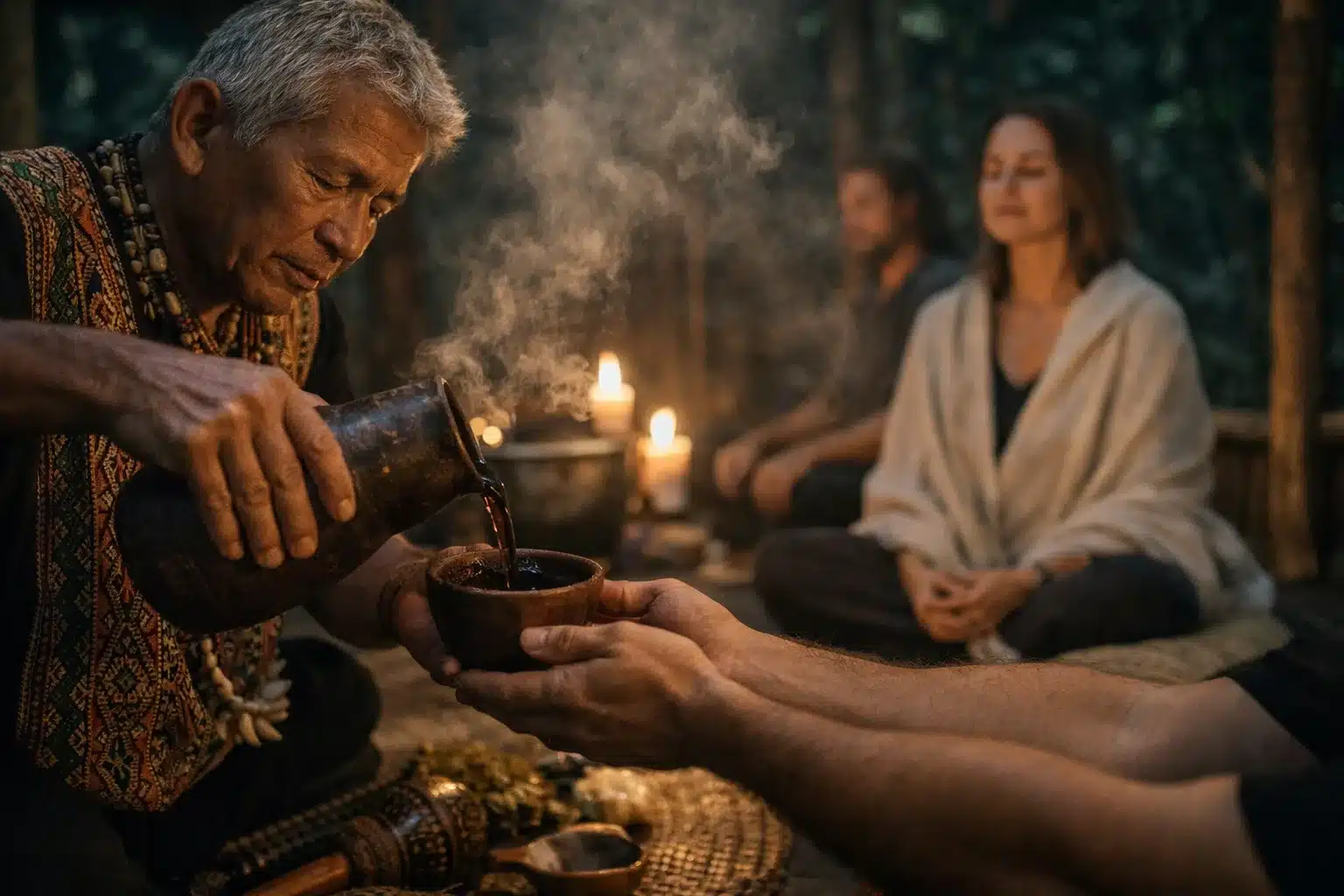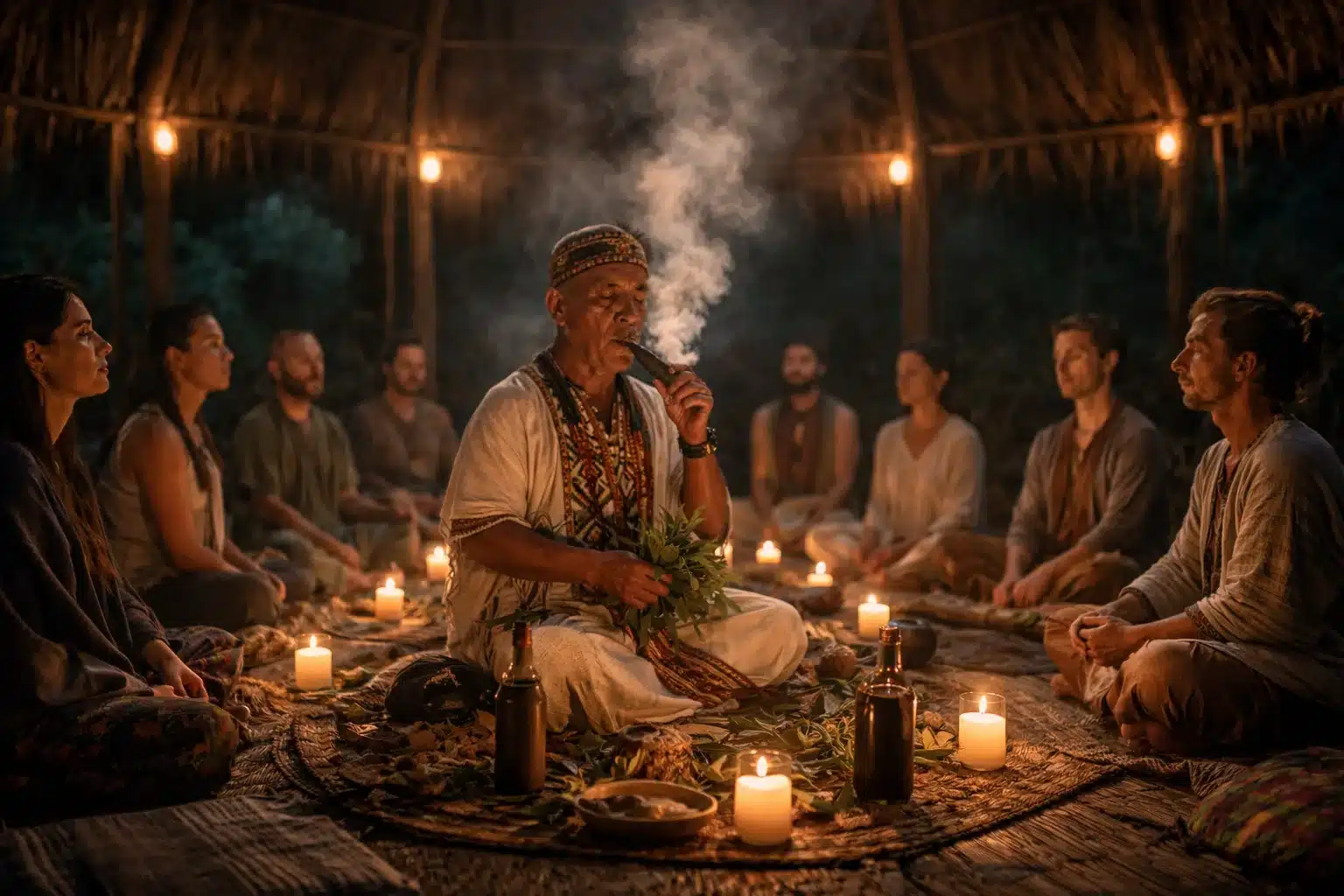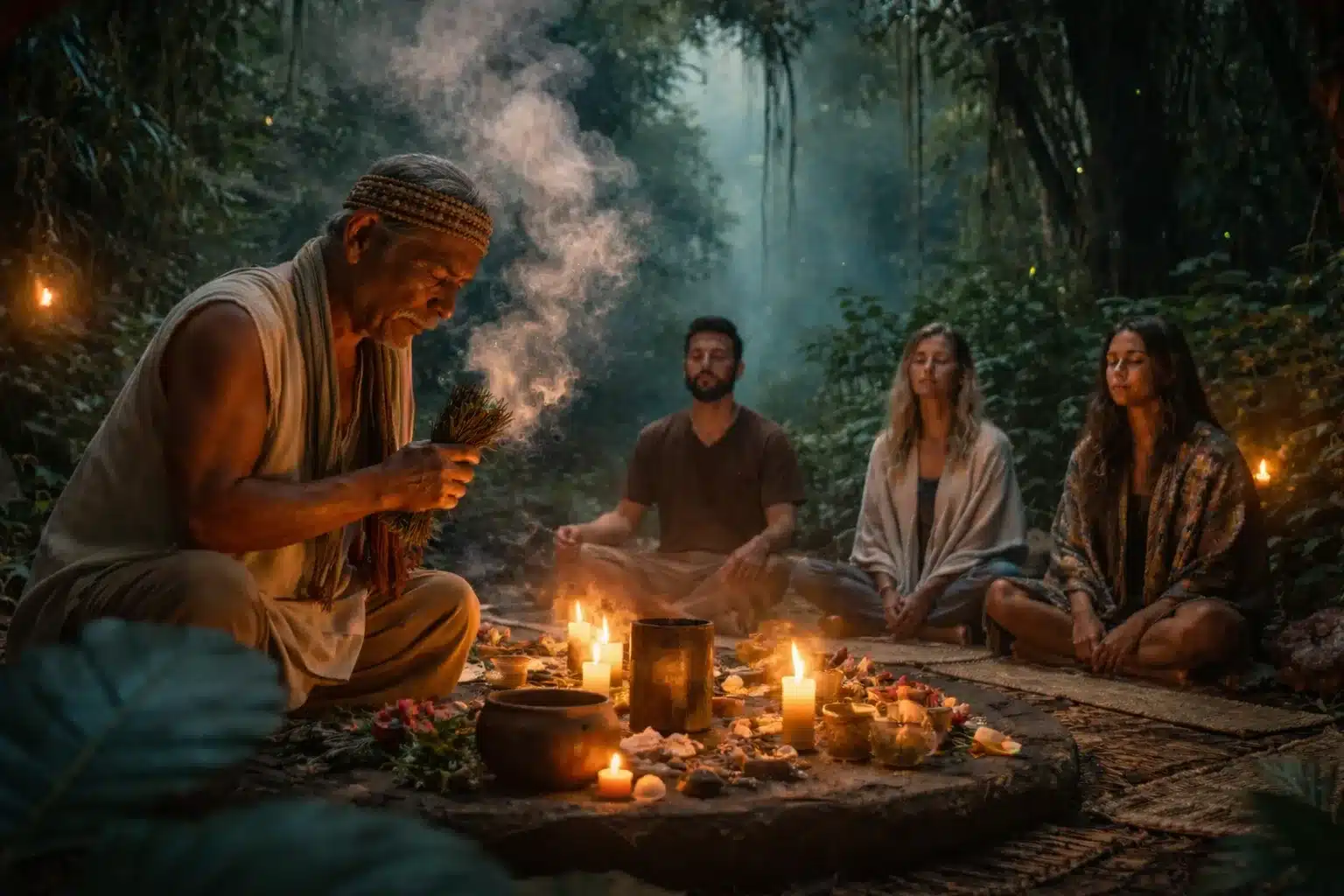


In the heart of the Amazon, where the river breathes and the forest listens, ayahuasca is not just a plant, but a living intelligence.
Many travelers arrive with a question shaped by curiosity:
Is there male and female ayahuasca?
The answer is not found in biology alone… but in energy, tradition, and experience.
The Origin of the Belief: Beyond Science, Into Spirit
In Western thinking, we often seek clear categories: male or female, this or that.
But in the Amazonian tradition, ayahuasca is understood differently.
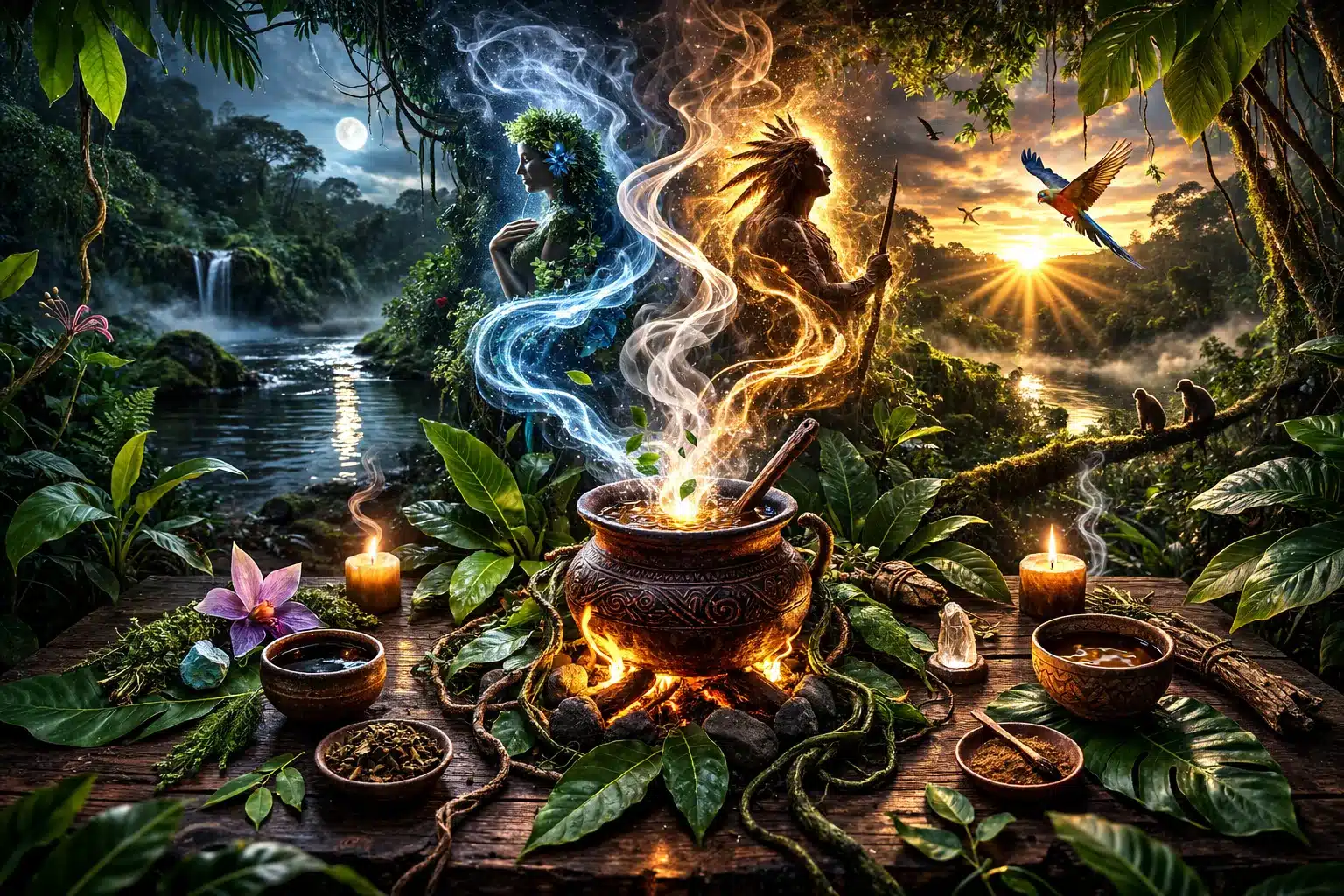
Some shamans speak of “male” and “female” ayahuasca, yet these are not strict botanical classifications. Instead, they describe energetic expressions of the medicine.
It is the language of the spirit, not the laboratory.
The “Feminine” Ayahuasca Energy
The feminine aspect of ayahuasca is often described as:
- Gentle but deep
- Emotional and introspective
- Nurturing and heart-opening
Many who connect with this energy experience:
- Emotional release
- Healing of past wounds
- A sense of being held, like returning to the arms of the Earth
This is the energy that whispers, not shouts.
It guides you inward, helping you feel what has long been hidden.
The “Masculine” Ayahuasca Energy
The masculine expression is different—yet equally sacred.
It is often experienced as:
- Direct and intense
- Clarifying and structured
- Confrontational in a healing way
This energy may bring:
- Strong visions
- Truths that cannot be avoided
- A sense of direction and awakening
This is the energy that shows you what is real—without illusion.
It doesn’t always feel comfortable, but it is deeply transformative.
The Truth: Ayahuasca Is a Union
In reality, ayahuasca is not one or the other.
It is both.
Just as the jungle holds light and shadow, silence and sound, life and decay—the medicine carries a balance of masculine and feminine energies.
Each ceremony is different because each person is different.
Sometimes you need softness.
Sometimes you need truth.
Sometimes you need both in the same night.
Does It Depend on the Plants Used?
Traditionally, ayahuasca is prepared using:
- The Banisteriopsis caapi vine
- Combined with leaves like Chacruna (Psychotria viridis)
Some variations in preparation, lineage, and intention may influence how the medicine is experienced.
However, the idea of “male vs female” is not strictly tied to different plant species, but rather to:
- The shaman’s tradition
- The energetic intention during preparation
- The spiritual sensitivity of the participant
The Awkipuma Perspective: Medicine Prepared With Balance
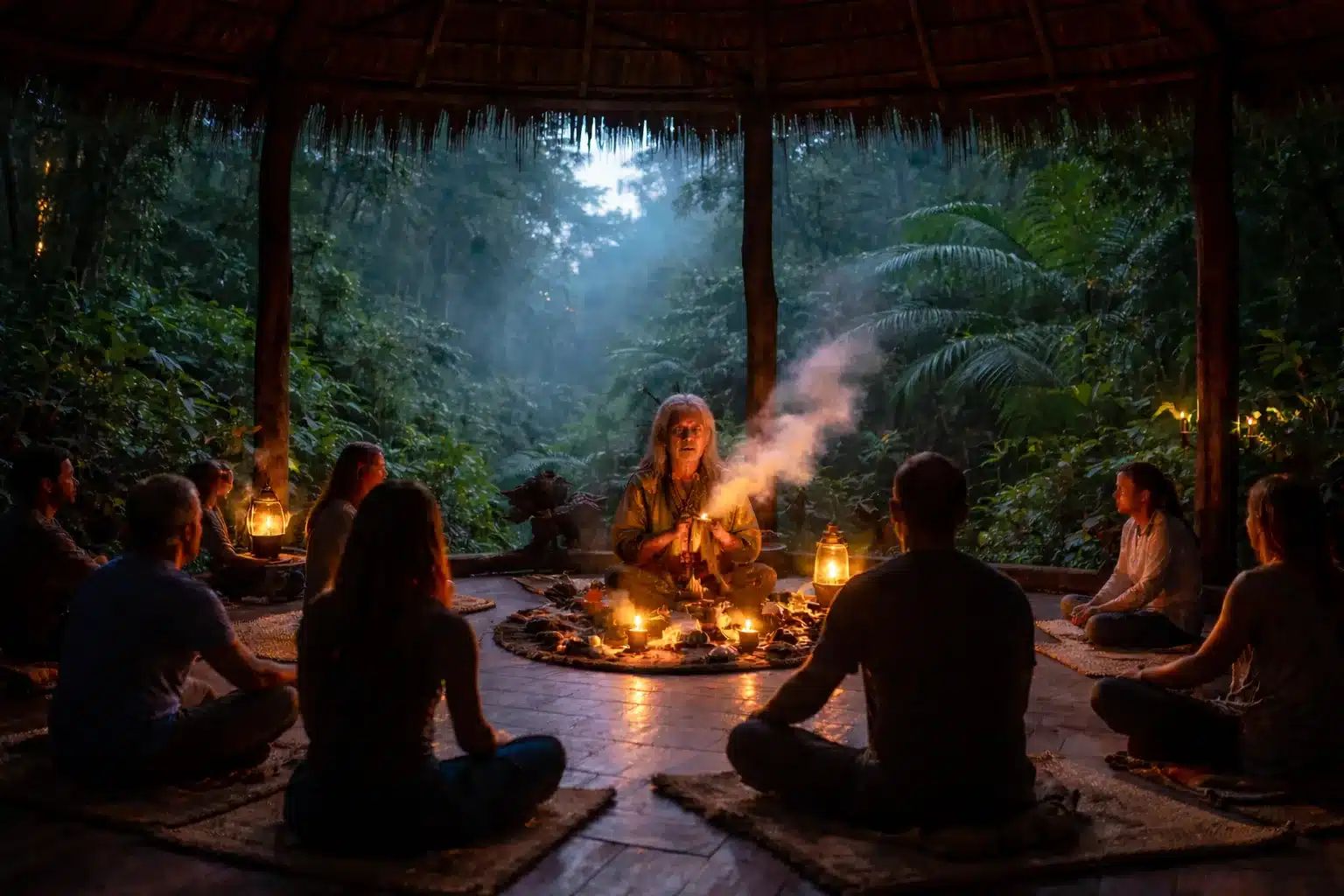
At Awkipuma, in the Amazon of Iquitos, the medicine is not categorized—it is respected as a whole.
Each preparation is done:
- In the jungle, where the plants grow naturally
- With ancestral knowledge
- With intention, prayer, and energetic balance
Here, the medicine meets you where you are.
Not where your mind expects—but where your soul is ready.
FAQ
Is ayahuasca really male and female?
Not in a strict scientific sense. The terms “male” and “female” refer to different energetic qualities experienced during ceremonies.
Which one is better: male or female ayahuasca?
Neither is better. Both energies are necessary and part of the same medicine.
Can I choose which type of ayahuasca to take?
In authentic ayahuasca ceremonies, the experience is guided by the shaman. You receive the medicine that aligns with your process.
Final Reflection: The Medicine Knows
In the Amazon, we learn something simple, yet profound:
You don’t choose the medicine.
The medicine meets you.
And whether it comes as softness or intensity, as feminine or masculine…
It always comes with purpose.