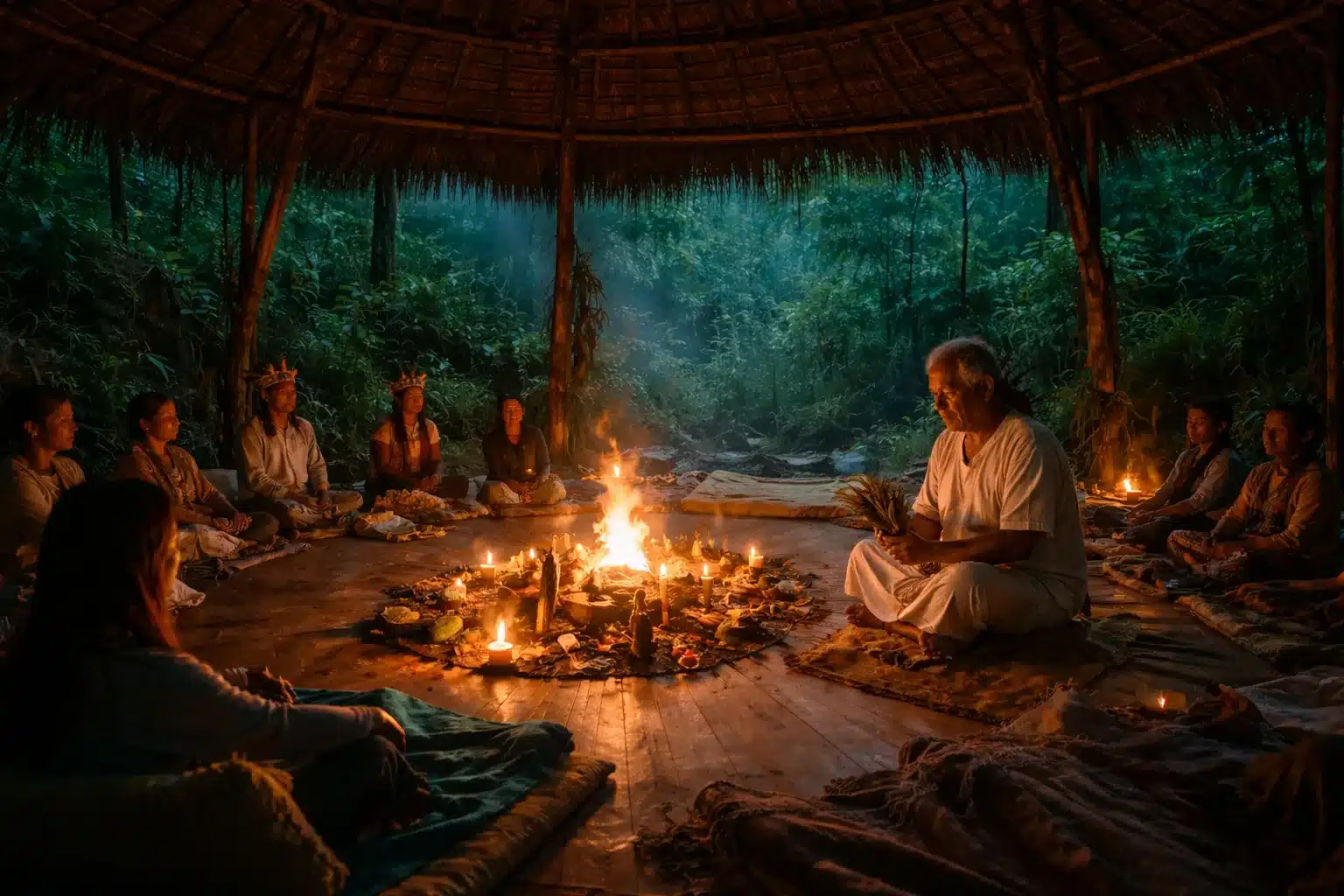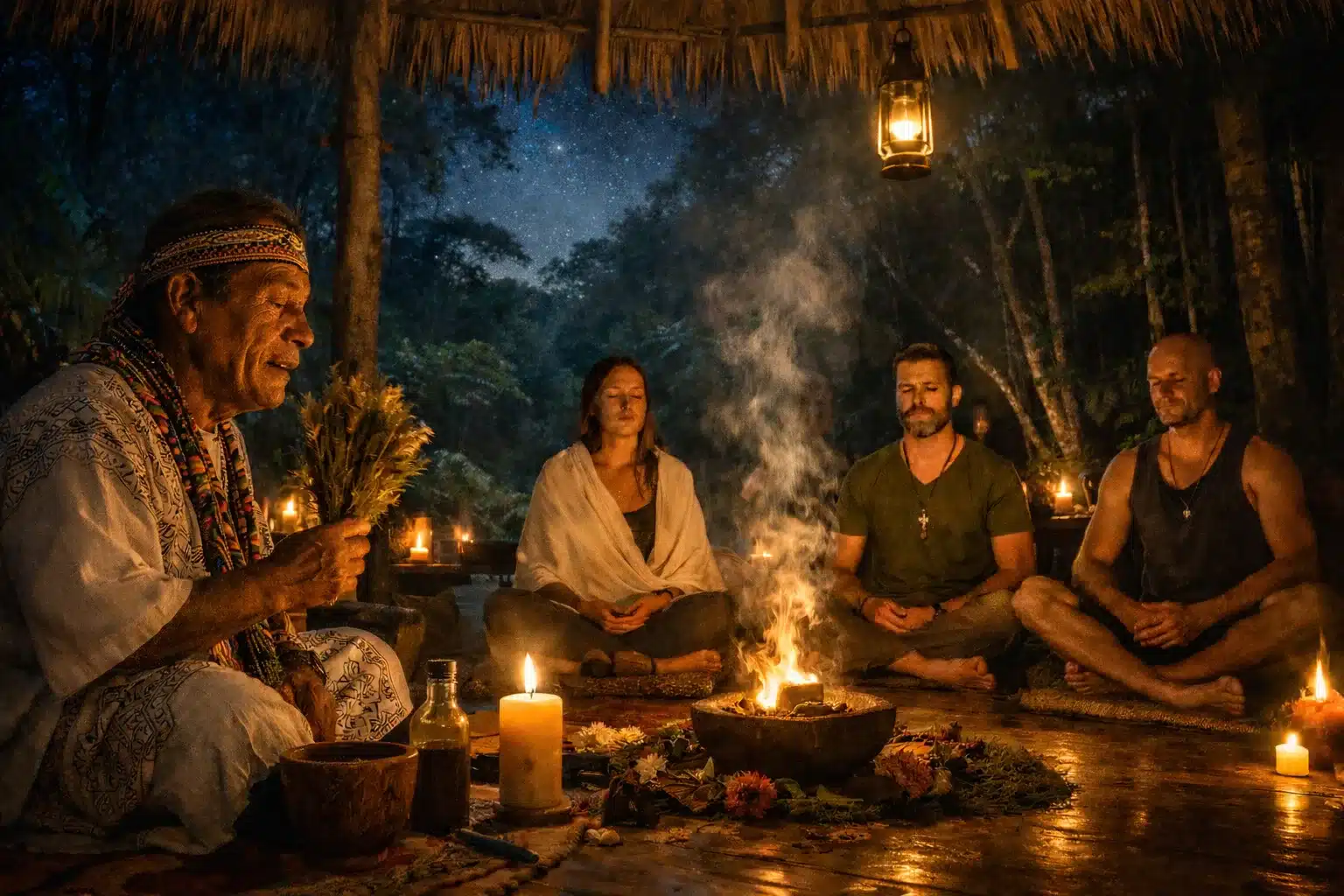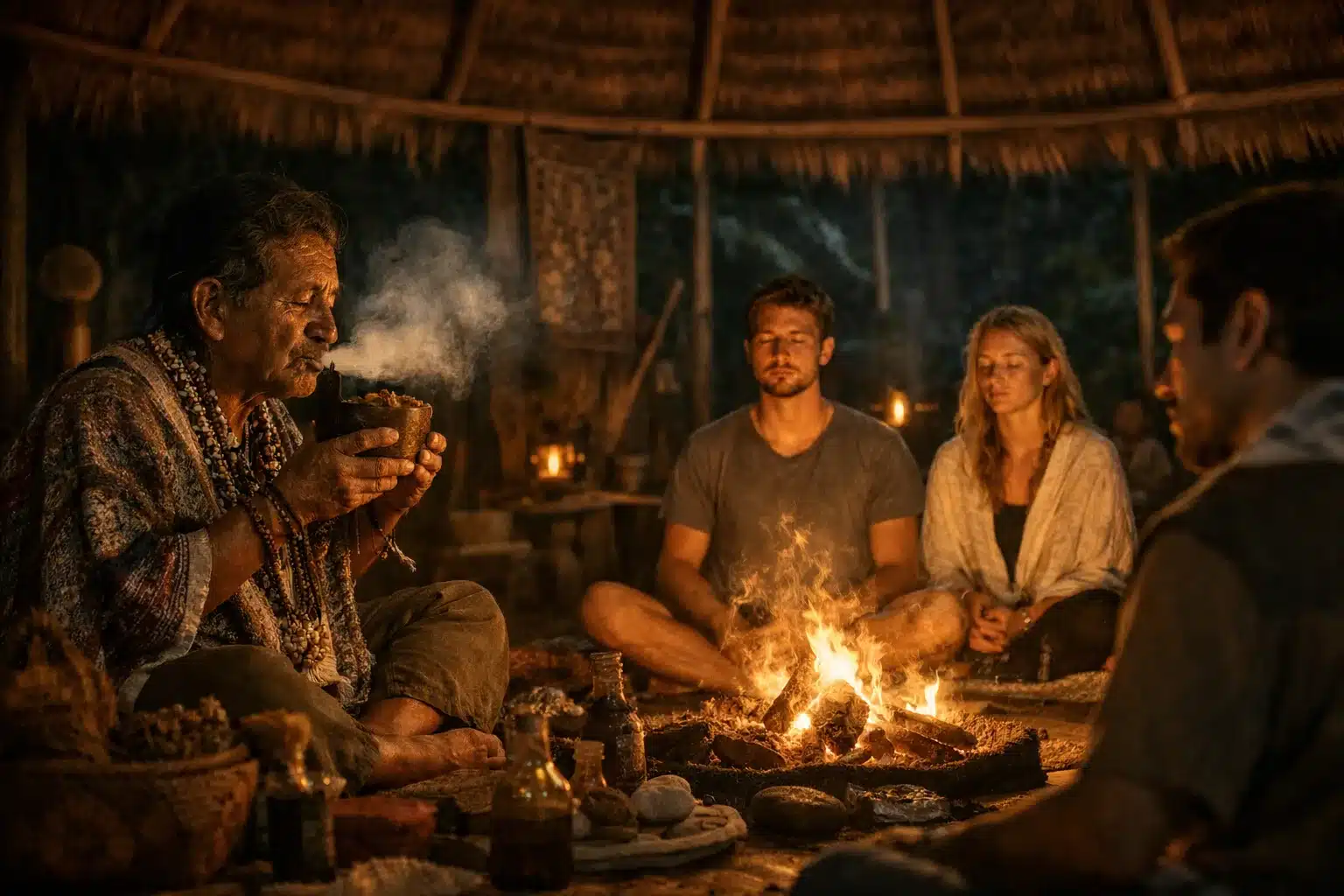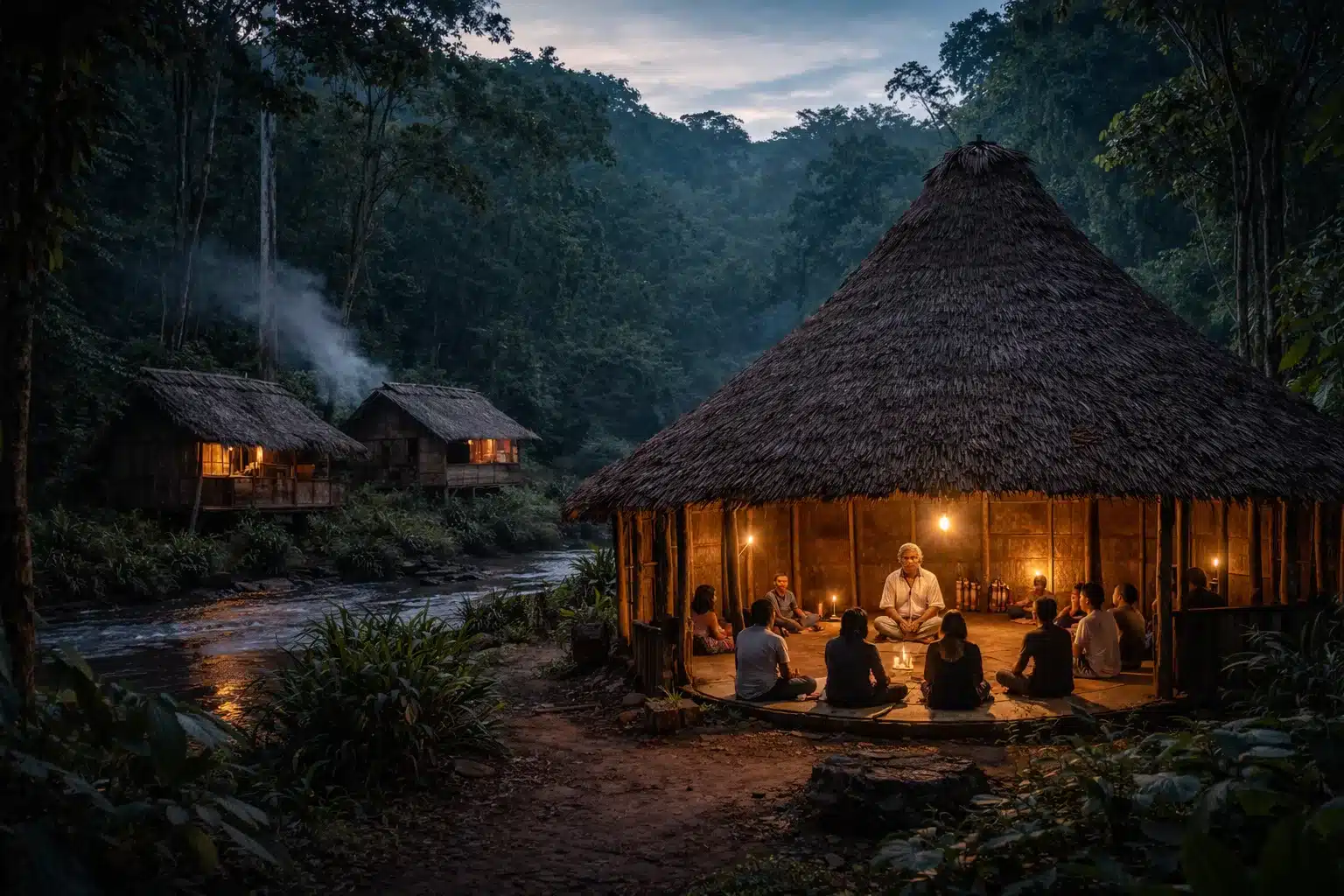


Traveling to Peru to participate in an ayahuasca ceremony is often described as a life changing decision. Many people are drawn by the promise of healing, clarity, emotional release, or spiritual awakening. However, before taking ayahuasca, it is essential to pause and evaluate mental health readiness with honesty and responsibility.
Ayahuasca is not simply a plant based tea. It is a powerful psychoactive brew that can significantly alter perception, emotion, and cognition for several hours. While many people report profound personal insight, the experience can also be psychologically intense. For this reason, mental health considerations must be taken seriously before deciding to participate in a ceremony.
Understanding these considerations does not mean fearing the medicine. It means respecting it.
Understanding the Psychological InteDepression and Ayahuasca
Many individuals consider ayahuasca because they struggle with depression. Some research suggests that psychedelic substances may influence neural pathways involved in mood regulation. Participants sometimes report a renewed sense of meaning or emotional openness after ayahuasca ceremonies.
However, depression exists in many forms.
Mild to moderate depression may present differently than severe depression accompanied by suicidal thoughts or psychotic features. Ayahuasca can intensify emotional experiences during the ceremony. Sadness, grief, or unresolved pain may surface strongly before relief is felt.
If someone is currently experiencing severe depression, suicidal ideation, or feelings of hopelessness, it is essential to seek professional mental health support first. Ayahuasca should never replace clinical care during an acute mental health crisis.
Bipolar Disorder and Manic Episodes
One of the most significant contraindications for ayahuasca use is bipolar disorder, particularly Bipolar I disorder.
The altered states induced by ayahuasca can resemble aspects of mania or psychosis. For individuals with a history of manic episodes, hallucinations, or delusional thinking, the experience may trigger destabilization that continues beyond the ceremony.
Warning signs include:
-
Previous manic episodes
-
Periods of extreme energy with little sleep
-
Impulsive or risky behavior during elevated mood states
-
Family history of psychotic disorders
In such cases, taking ayahuasca can pose significant psychological risks. Consulting a psychiatrist before considering participation is strongly advised.
Anxiety Disorders and Panic Reactions
Anxiety is common among those seeking personal growth. In some cases, ayahuasca may help uncover the root causes of anxiety patterns. However, individuals with panic disorder or severe generalized anxiety should consider the following:
During ceremonies, it is normal to experience:
-
Increased heart rate
-
Sweating
-
Trembling
-
Intense emotional waves
-
A temporary sense of loss of control
For someone prone to panic attacks, these sensations may trigger fear responses. Without proper preparation and grounding skills, anxiety can escalate quickly.
Learning breathing techniques, meditation practices, and stress regulation tools before attending a ceremony can greatly improve resilience during intense moments.
Trauma and Post Traumatic Stress
Many people turn to ayahuasca seeking relief from trauma. The medicine has a reputation for helping individuals access suppressed memories and process emotional wounds.
However, trauma resurfacing can be intense.
Participants with PTSD may re experience memories, sensations, or emotional states associated with past events. When supported in a safe environment, this process may facilitate healing. Without appropriate containment, it may feel overwhelming.
Those with trauma histories should consider:
-
Whether they currently have therapeutic support
-
Whether they feel emotionally grounded in daily life
-
Whether they have tools for emotional regulation
Ayahuasca is not inherently trauma informed. The safety of the setting and facilitators plays a critical role in how trauma material is navigated.
Medication Interactions and Psychological Risk
One of the most serious considerations before taking ayahuasca involves medication use.
Because ayahuasca contains monoamine oxidase inhibitors, it can dangerously interact with certain substances, including:
-
Selective serotonin reuptake inhibitors
-
Serotonin norepinephrine reuptake inhibitors
-
Other antidepressants
-
Certain stimulants
-
Some herbal supplements
Mixing ayahuasca with incompatible medications can increase the risk of serotonin syndrome, a potentially life threatening condition characterized by confusion, agitation, rapid heart rate, and high blood pressure.
It is extremely important never to stop psychiatric medication abruptly without medical supervision. If someone is considering participation, they must consult their prescribing doctor and discuss safe protocols.
Full transparency about medication use is essential.
Emotional Expectations and Psychological Reality
Many people approach ayahuasca with high expectations. Stories online often describe dramatic awakenings or complete emotional liberation.
While transformative experiences do occur, psychological healing is rarely instant.
Ayahuasca may:
-
Reveal hidden patterns
-
Highlight unresolved grief
-
Challenge personal narratives
-
Increase emotional sensitivity
In the days and weeks following a ceremony, participants may feel vulnerable or introspective. Mood fluctuations can occur as the psyche integrates the experience.
Understanding that integration is an ongoing process helps protect mental well being after returning home.
Integration and Post Ceremony Mental Health
The period after a ceremony is psychologically significant.
Participants may experience:
-
Heightened emotional awareness
-
Reassessment of relationships
-
Desire for life changes
-
Temporary disorientation
Without integration support, these shifts can feel destabilizing.
Helpful practices include:
-
Journaling reflections
-
Talking with a therapist
-
Engaging in mindfulness or meditation
-
Avoiding overstimulation
-
Allowing time for gradual adjustment
The ceremony is not the end of the process. It is often the beginning of deeper internal work.
Psychological Readiness Checklist
Before deciding to take ayahuasca, consider whether the following statements apply:
-
I am not currently in a psychiatric crisis.
-
I have stable daily functioning.
-
I am not experiencing mania or psychosis.
-
I have consulted a professional about medication safety if needed.
-
I understand that healing is gradual.
-
I am prepared to integrate the experience responsibly.
If uncertainty exists, seeking guidance from a qualified mental health professional is a wise step.
Respecting the Power of the Experience
Ayahuasca has been used traditionally within structured ceremonial frameworks for generations. It is approached with reverence and caution.
Modern international interest has expanded access, but the psychological intensity remains the same.
Taking ayahuasca is not simply consuming a plant preparation. It is entering an altered state that can deeply affect perception, identity, and emotional memory.
Preparation, honesty, and self awareness are the strongest safeguards.
Final Reflection
Mental health considerations are not barriers. They are foundations.
Approaching ayahuasca responsibly means recognizing that personal readiness matters more than curiosity. Stability, preparation, and informed decision making significantly reduce risk and increase the potential for constructive insight.
For those who take the time to evaluate their psychological health carefully, the experience can unfold within a safer and more grounded framework.
The journey begins long before the ceremony itself. It begins with self awareness.