In short: A genuine ayahuasca retreat is not a wellness vacation. It is demanding, humbling work carried out within a living Amazonian tradition, guided by a maestro with decades of real experience. If you are traveling to Peru with questions — about safety, about what a ceremony truly involves, about how to tell a real retreat from a tourist product — this guide answers them honestly, without romanticizing and without selling you comfort you won’t find here.
Most articles about ayahuasca are written to sell you a feeling. This one isn’t. At Awkipuma, in the Peruvian Amazon near Iquitos, we work in the tradition our maestro was raised in, and that tradition asks for respect, honesty, and readiness, not a spa mindset. If you’re considering this path, the best thing we can offer before you arrive is the truth. Here are the doubts foreign travelers bring us most often, answered plainly.
Is ayahuasca safe?
This is the right first question, and the honest answer is: it can be, when the right precautions are taken, and it can be genuinely dangerous when they are not. Ayahuasca is a powerful medicine, not a recreational substance.
Two things matter most:
Your health and medications. Ayahuasca contains MAO inhibitors, which interact dangerously with several classes of medication — most importantly antidepressants (especially SSRIs and other serotonergic drugs), some blood-pressure medications, and others. Combining them can lead to serious, even life-threatening reactions. Certain heart conditions, a personal or family history of psychosis or schizophrenia, and some other medical situations are also contraindications. This is why a responsible retreat screens every participant beforehand and why you must be fully honest on your intake forms. It is also why you should speak with your own doctor before committing.
The setting and the guide. Physical safety during ceremony depends on an experienced maestro who knows how to read and hold the space, a supported environment, and sober facilitators watching over participants through the night. A real ayahuasca retreat does not leave you alone with a powerful medicine.
If a place downplays these things or tells you “everyone can drink, no problem,” treat that as a warning sign, not reassurance.
What actually happens in a ceremony?
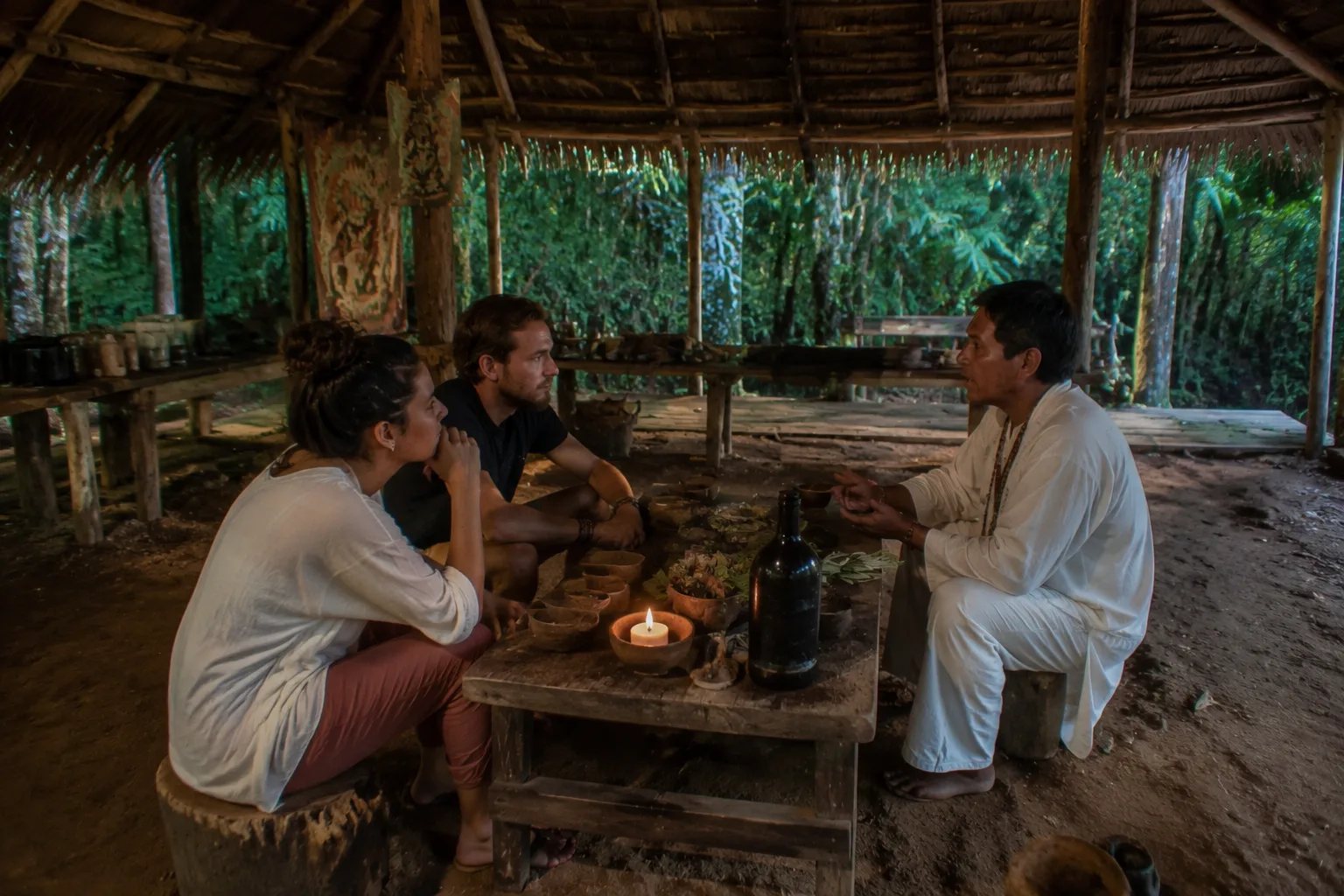
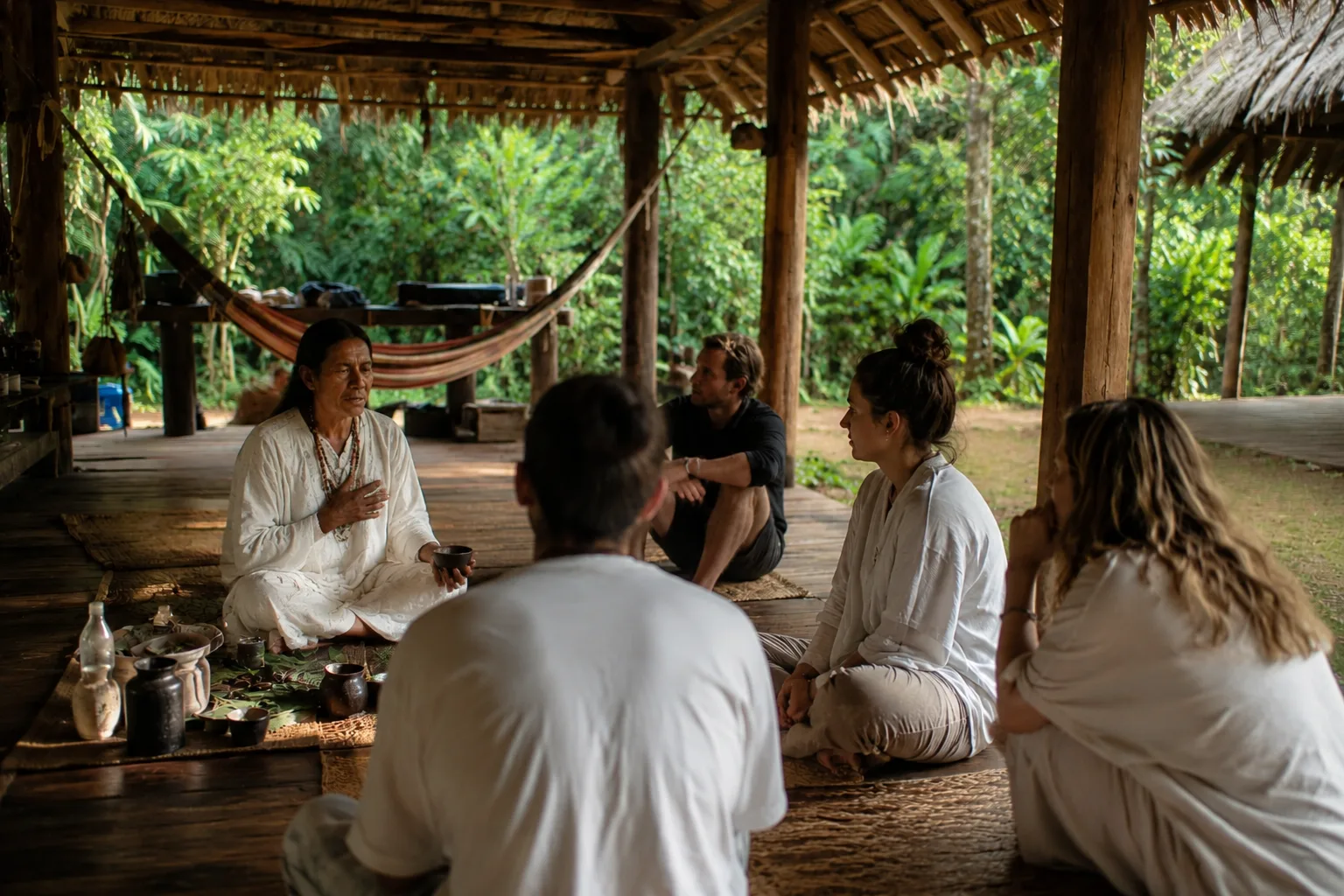
We won’t dress this up. Ceremonies take place at night, in darkness or low light, guided by the maestro’s icaros — the sacred songs that direct the work. After drinking, effects usually begin within 30 to 60 minutes and last several hours.
The experience is different for everyone and unpredictable even for experienced drinkers. It can bring visions, deep emotional release, insight, and a profound sense of connection. It can also be physically and emotionally hard. Purging, vomiting, and sometimes other forms of release — is a normal, expected part of the process; in the tradition it is understood as the body and spirit letting go of what needs to leave. There can be moments of fear or confusion. None of this is a sign that something is wrong; it is the work.
You will not be entertained, and you will not be in control of what arises. What you will have is a maestro guiding the ceremony and people caring for you throughout.
How do I know a retreat is authentic and not a tourist trap?
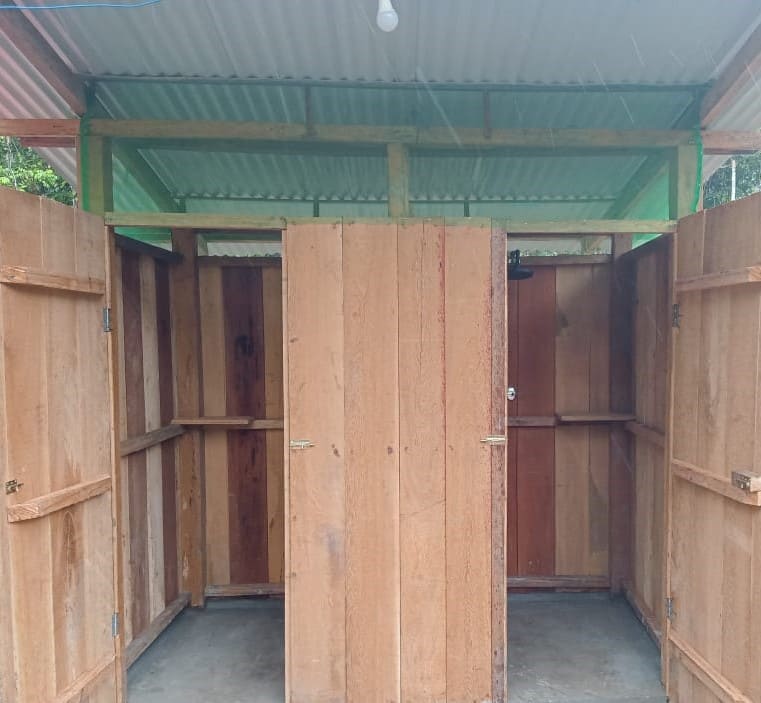
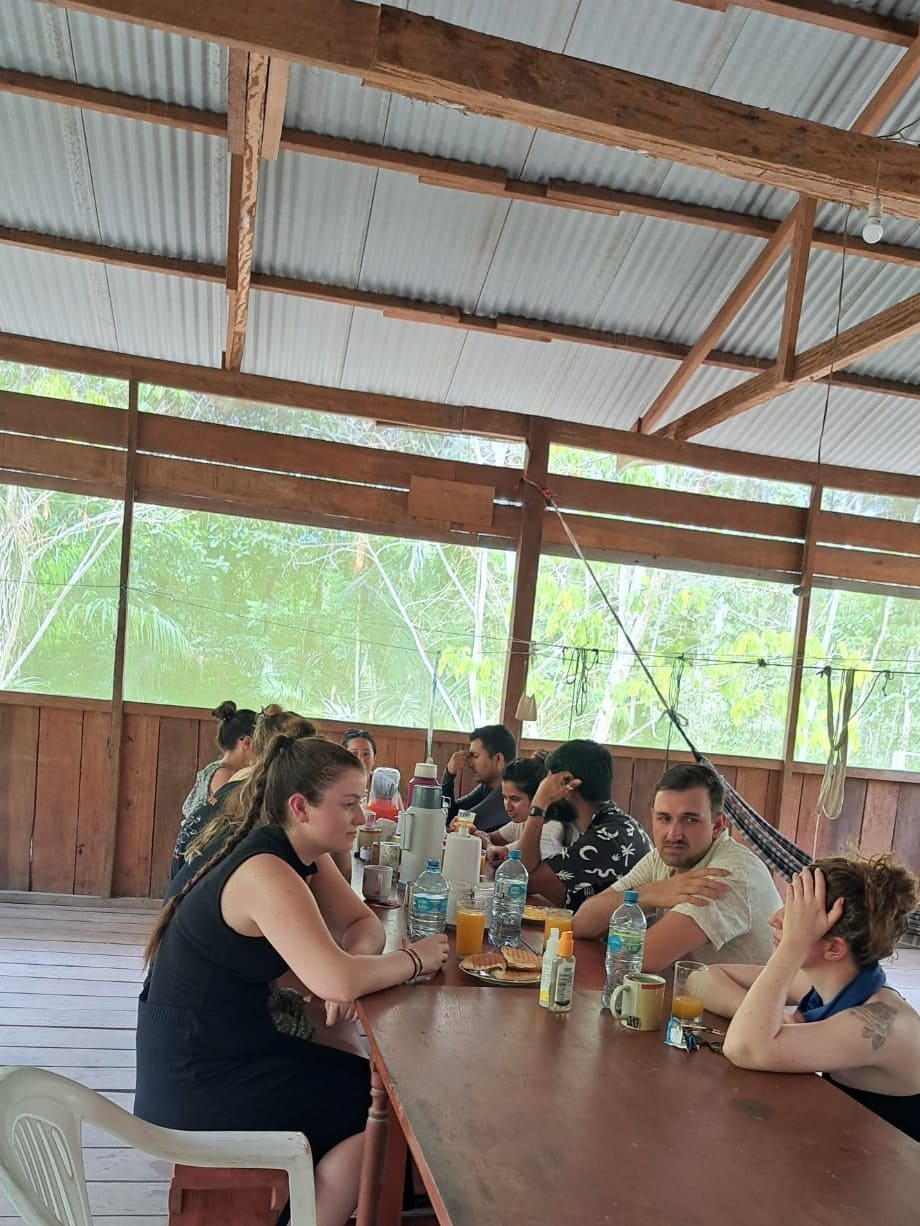
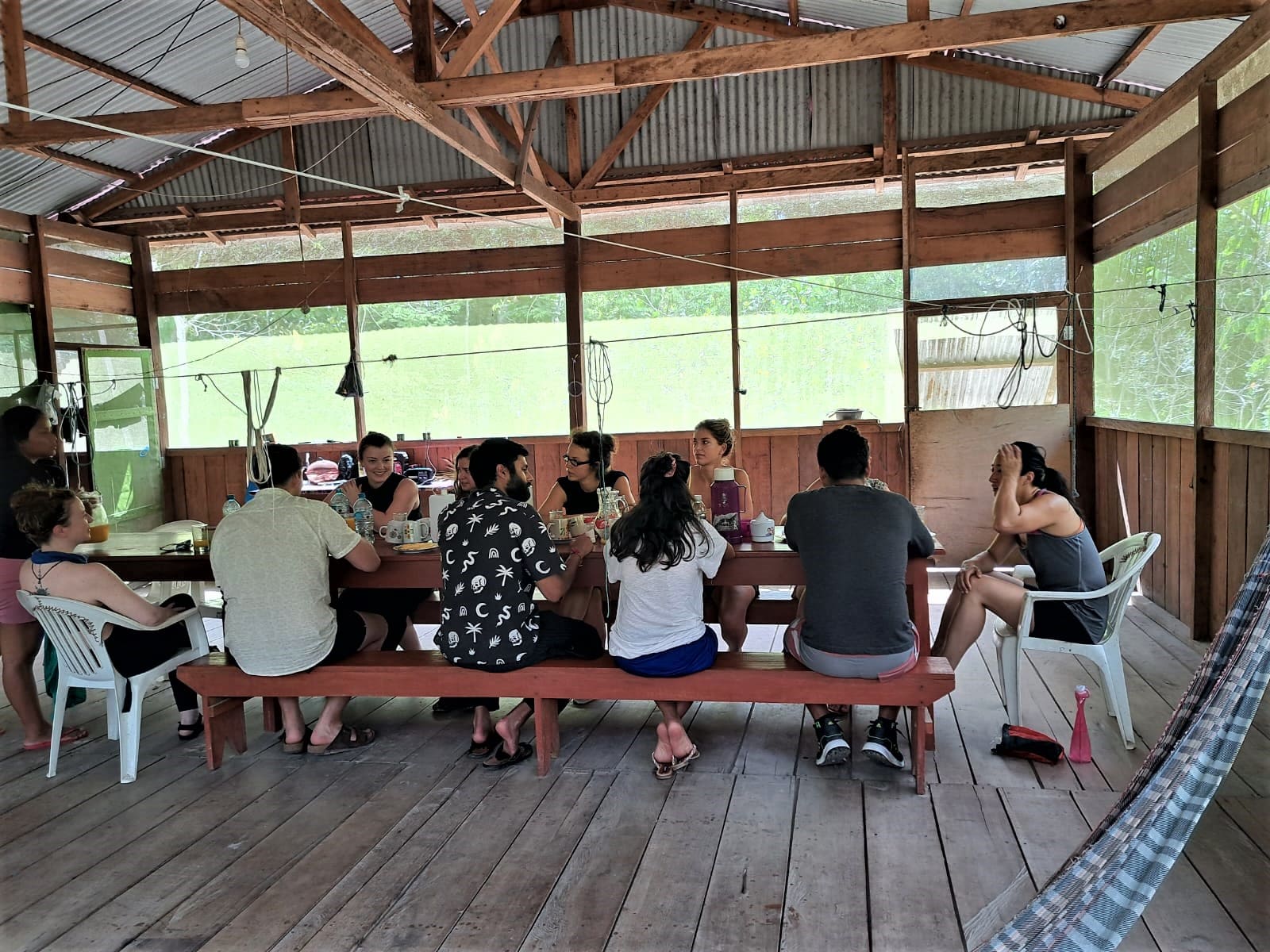
This is where “reality versus comfort” matters most. The ayahuasca boom has produced many places that sell an experience — infinity pools, curated photos, weekend packages, while the actual ceremonial work is thin or run by someone with little real training. Authenticity is quieter and harder to photograph. Look for:
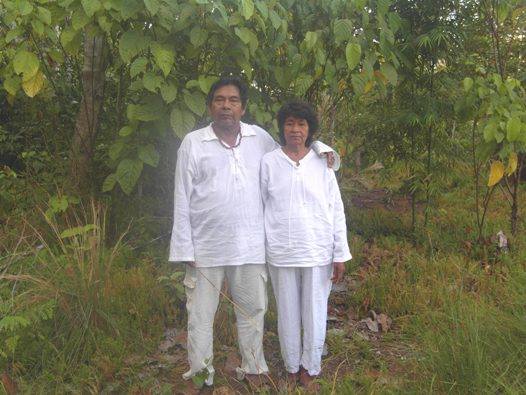
- A maestro with a real lineage and decades of practice, not a facilitator certified in a short course. At Awkipuma, our work is led by Maestro Don Ladimiro Murayari, born in Tamshiyacu (Santa Ana), near Iquitos, with more than 55 years of experience and a repertoire of over 200 icaros learned in the traditional way. That kind of depth cannot be improvised.
- Honest screening and preparation. A serious center asks about your health and medications and may turn people away. A tourist product takes anyone who pays.
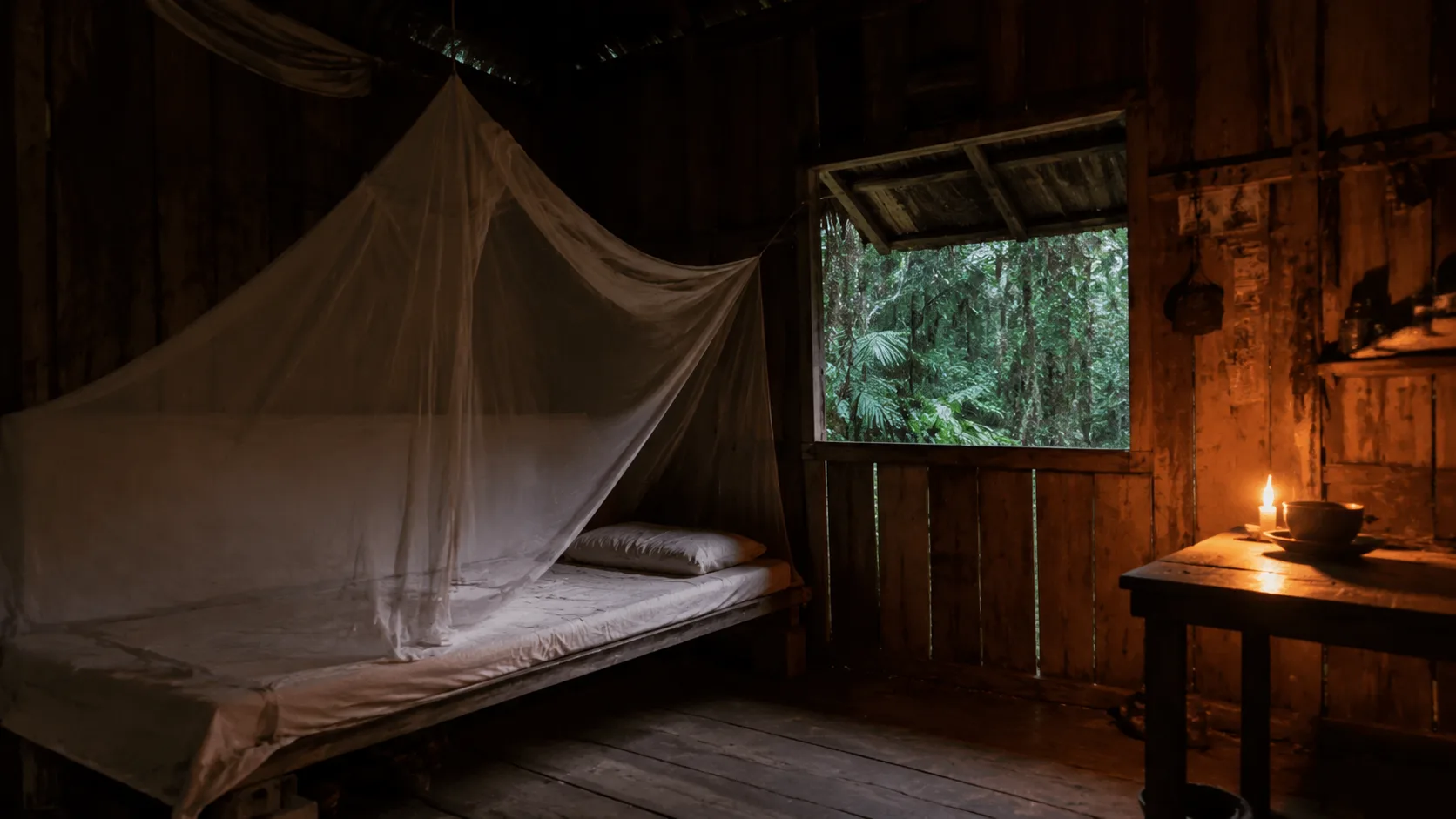
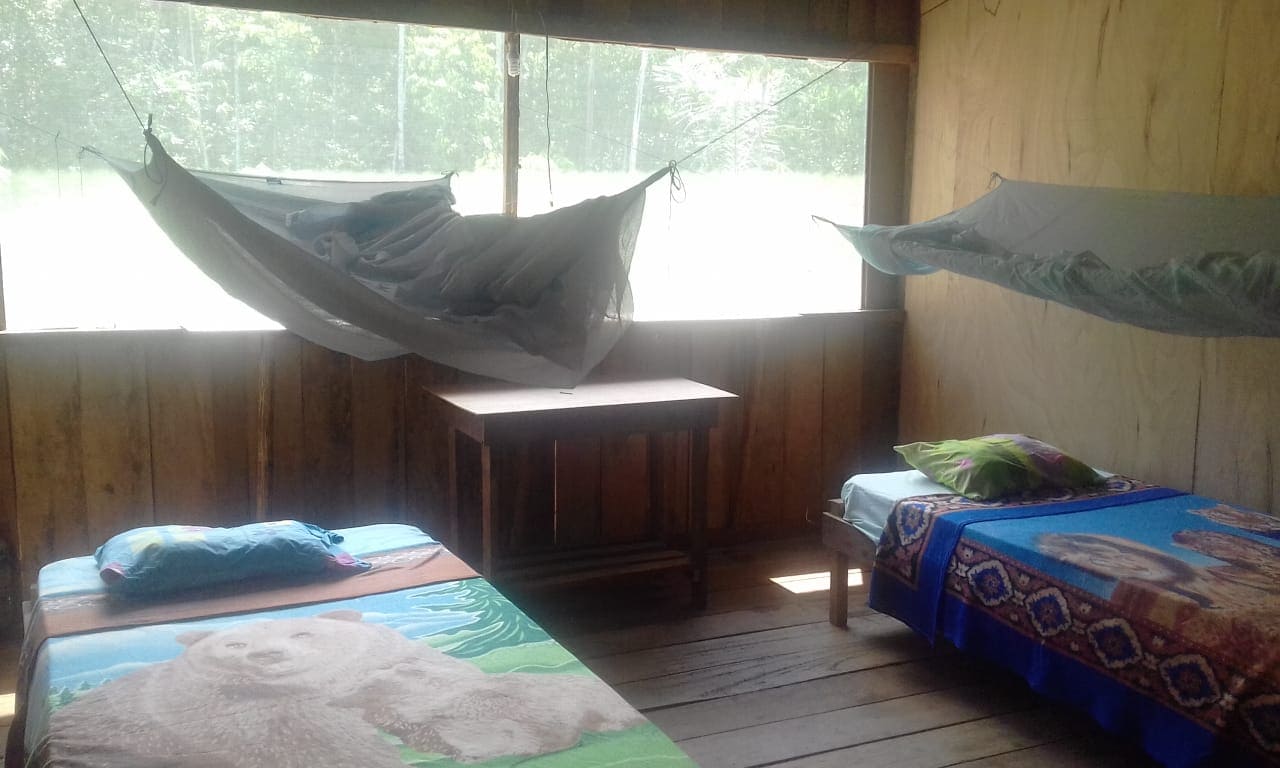
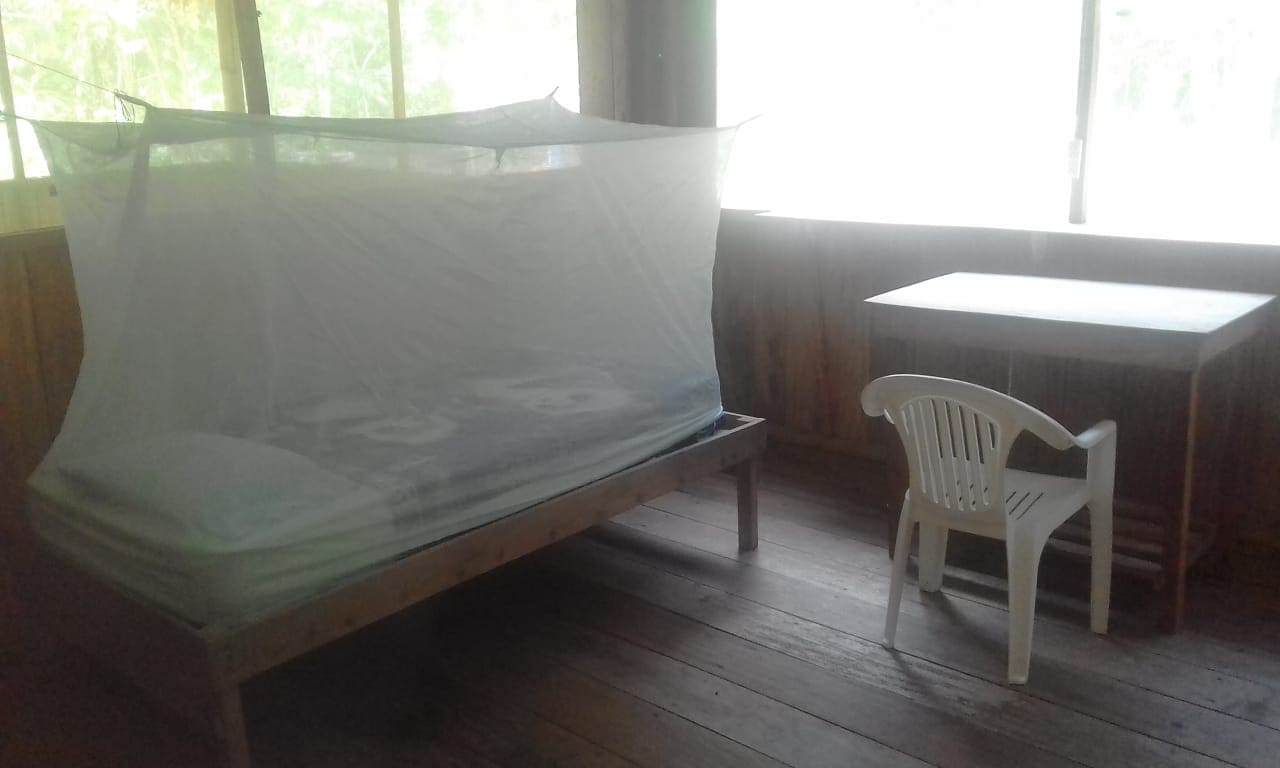
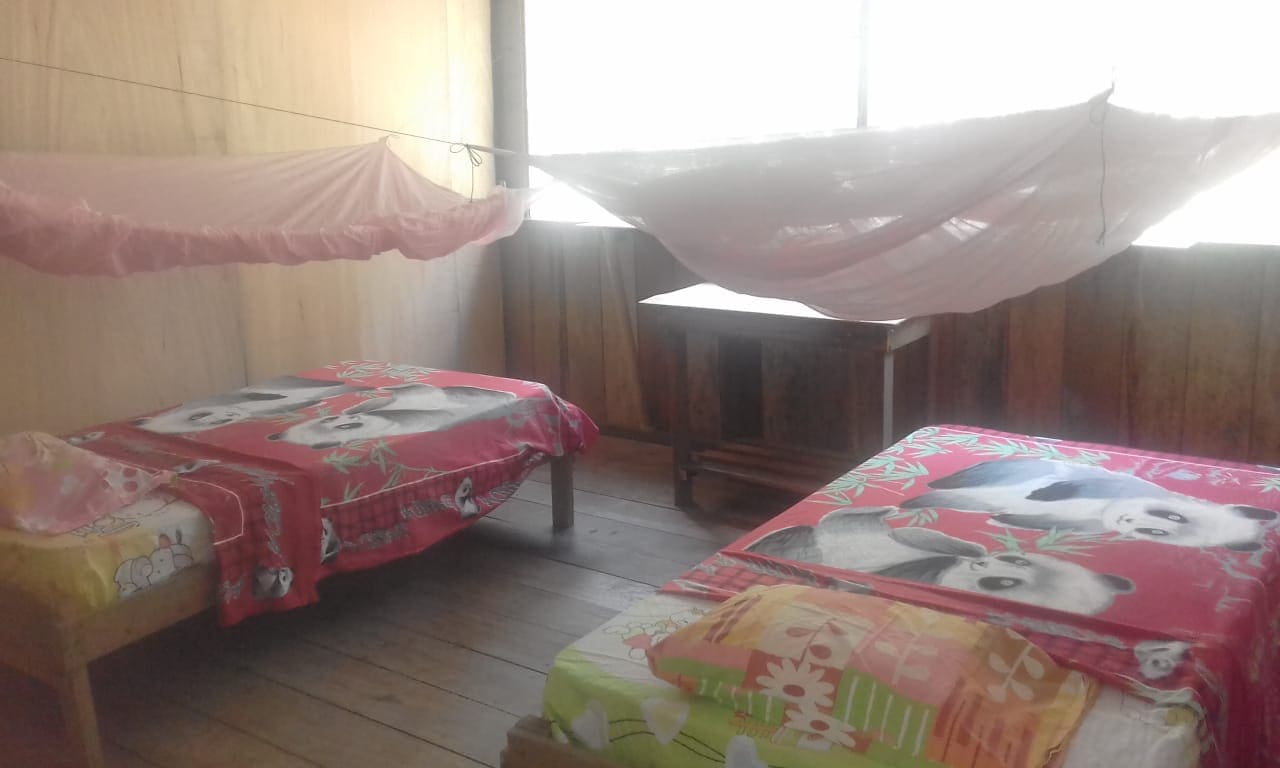
- Respect for the tradition over amenities. The focus is the ceremonial work, the dieta, and the guidance — not luxury.
- Real practitioners will answer hard questions directly, including about risks.
If the marketing sells comfort and beauty above all, ask yourself what’s being left out.
Do I need to prepare? The dieta and restrictions
Yes, and preparation is not optional. In the Amazonian tradition, the dieta is central to the work, not a formality. In the days and often weeks before a retreat, participants typically follow restrictions that commonly include avoiding alcohol and recreational drugs, red meat and pork, excess salt, sugar, fermented and aged foods, spicy food, and sexual activity, among others. These protect you physically (some foods interact badly with the medicine) and prepare you energetically.
Just as important: any changes to prescription medication must be planned with a doctor, well in advance and never abruptly on your own. Some antidepressants require a long, medically supervised tapering period before ayahuasca can be considered safely, this is not something to improvise.
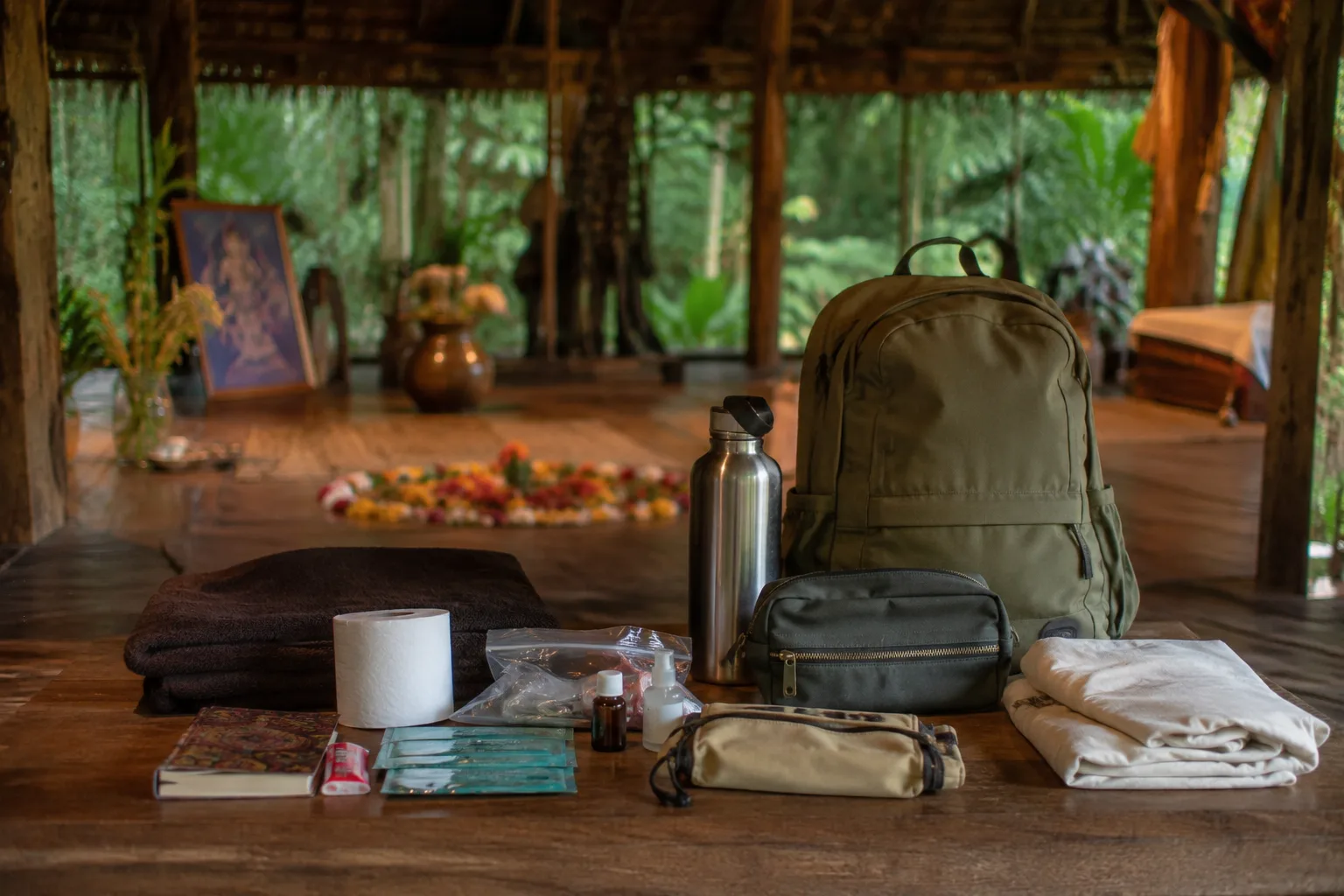
We send participants clear guidance before arrival, and honesty about your habits and health is part of preparing responsibly.
Will the language barrier be a problem?
It’s a common worry for foreign travelers, and a fair one. The maestro’s icaros are sung in their traditional language, that is part of their power and is not meant to be “understood” intellectually. Around the ceremony, communication, orientation, and support are arranged so that international participants understand what they need to: how to prepare, what to expect, how the days are structured, and how to ask for help during the night. You do not need to speak Spanish or an Amazonian language to be cared for properly.
What ayahuasca is not
- It is not a guaranteed cure. People report meaningful shifts, but ayahuasca is not a medical treatment for depression, addiction, or any condition, and we make no such promises. It should complement, never replace, professional care.
- It is not a vacation. The work can be uncomfortable, exhausting, and confronting.
- It is not instant transformation. What surfaces still has to be integrated afterward, in your ordinary life.
- It is not the same everywhere. The maestro, the setting, and the tradition make all the difference.
Coming with realistic expectations is itself part of arriving well.
Why experience matters: the role of the maestro
Everything above comes back to one thing, the person guiding the work. In this tradition, knowledge is not learned from books; it is earned over a lifetime of dieta, apprenticeship, and practice. A maestro’s role is to conduct the ceremony, hold the space, sing the icaros that guide each person’s process, and respond to what unfolds. This is why Maestro Don Ladimiro’s 55-plus years and 200-plus icaros are not a marketing line but the foundation of what makes the work at Awkipuma safe, real, and grounded. Experience is not a luxury here. It is the safeguard.
Frequently asked questions
Is ayahuasca legal in Peru?
Yes. Ayahuasca is recognized as part of Peru’s traditional Amazonian heritage and its ceremonial use is legal within that context.
Can I take part if I’m on antidepressants?
Not without medical guidance. Many antidepressants, especially SSRIs, interact dangerously with ayahuasca and require a long, doctor-supervised tapering period beforehand. Always disclose all medications during screening and consult your doctor.
Do I need previous experience?
No. Many participants are first-timers. What matters is honest preparation, realistic expectations, and following the guidance you’re given.
How many ceremonies are in a retreat?
It varies by retreat length and by each person’s process. The maestro guides how the work unfolds; more is not automatically better.
Is purging really necessary?
Purging is a normal and expected part of the process, understood in the tradition as release. Not everyone experiences it the same way, and it is not something to fear.
How do I choose between retreats?
Prioritize the maestro’s real experience and lineage, honest health screening, respect for the tradition over amenities, and transparency about risks, over photos, luxury, and price.
If this feels like the real thing you’ve been looking for, that’s the point, Awkipuma offers the tradition as it is, guided by Maestro Don Ladimiro Murayari in the Peruvian Amazon. Reach out with your questions, however hard; honesty is where this work begins. Contact us to learn more.
This article is for general information and is not medical advice. Ayahuasca can interact dangerously with certain medications and health conditions. Always consult a qualified healthcare professional before considering participation, and disclose your full medical history during screening. Last updated: July 2026.