There are many ayahuasca retreats in Peru, but they don’t all work the same way. This guide explains where most centers are, what a safe retreat should offer and which centers are best known. We are Awkipuma, a family-run center near Iquitos, so we’ll also be transparent about how we work.
What is an ayahuasca retreat?
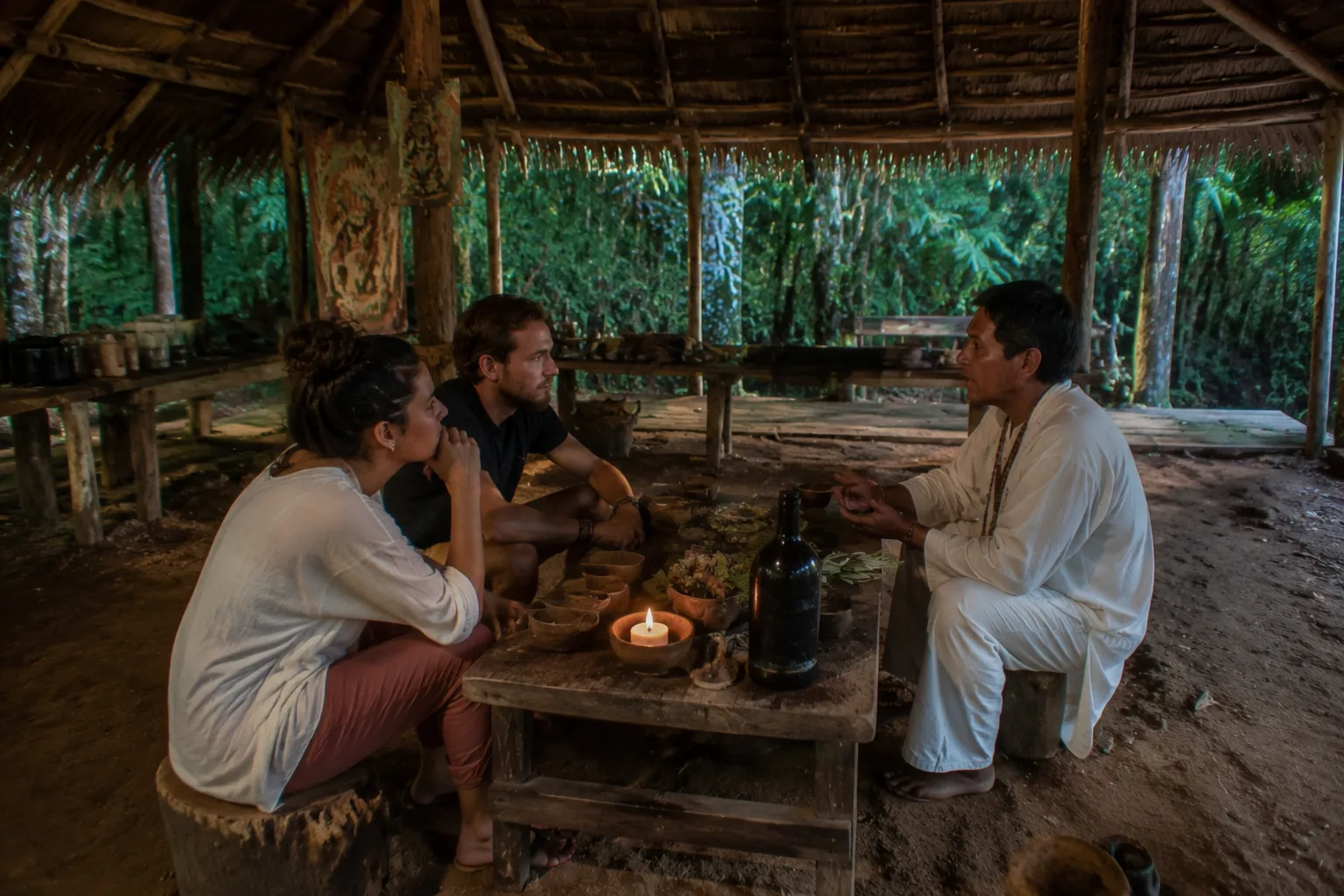
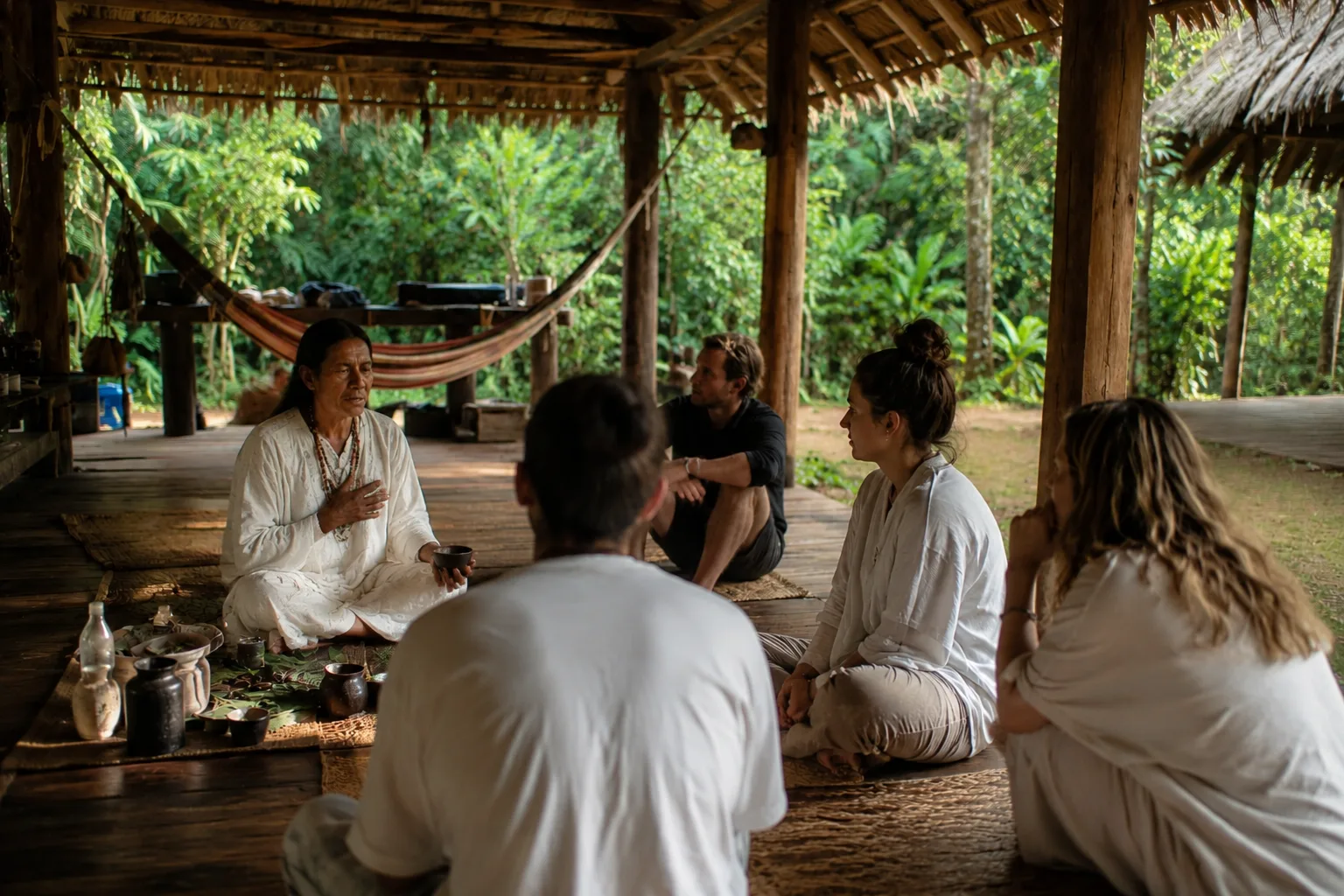
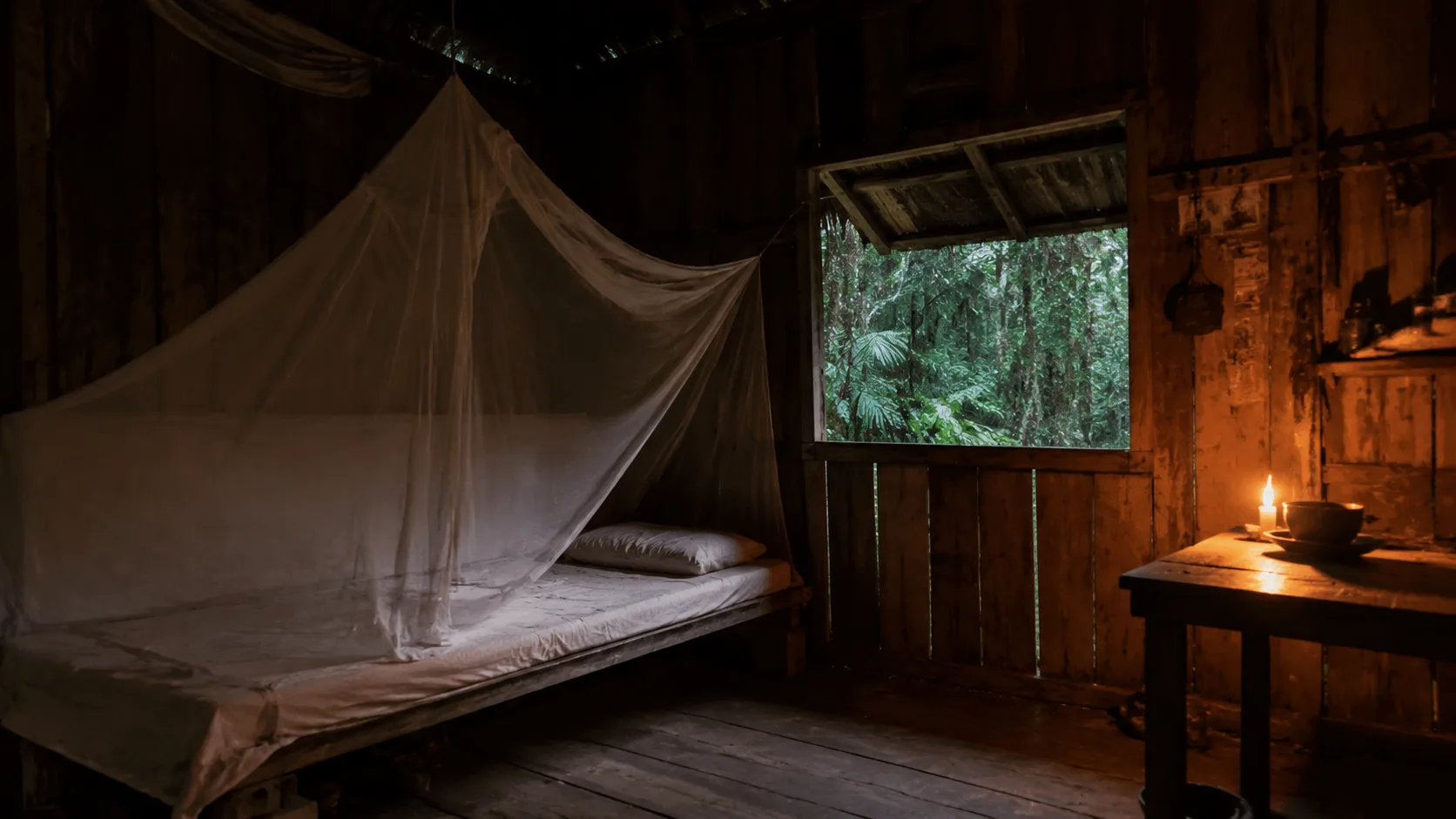
A retreat is a place prepared for ayahuasca ceremonies guided by a maestro ayahuasquero, who prepares the medicine, leads the ritual and looks after each guest. Most retreats include accommodation, meals that follow the traditional diet, and support before and after each ayahuasca ceremony.

Where to do ayahuasca in Peru
- Iquitos (Loreto): the region with the strongest tradition and the most centers, deep in the Amazon rainforest.
- Tarapoto (San Martín): home to Takiwasi, known for its therapeutic work.
- Pucallpa (Ucayali): the heart of the Shipibo tradition.
- Cusco and the Sacred Valley: there are centers too, although ayahuasca is a medicine of the rainforest, not the Andes.
Ayahuasca’s traditional knowledge and use were declared part of Peru’s National Cultural Heritage in 2008.
How to choose an ayahuasca retreat
- The maestro: who leads the ceremonies, and their real experience and lineage.
- Small groups: so you get close, personal support.
- Your health first: the center should ask about your health and medication before you book.
- The medicine: prepared the traditional way.
- What’s included: accommodation, food, integration and transfers.
- Real reviews: verified Google reviews, not only testimonials on their own website.
The best-known ayahuasca retreats in Peru
1. Awkipuma (Iquitos)
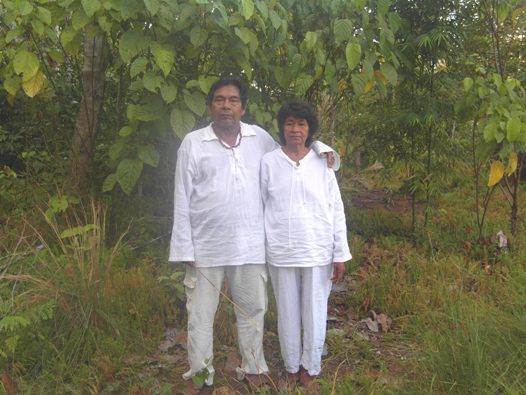
- The ceremonies: led by Don Ladimiro Murayari, with more than 55 years of family tradition.
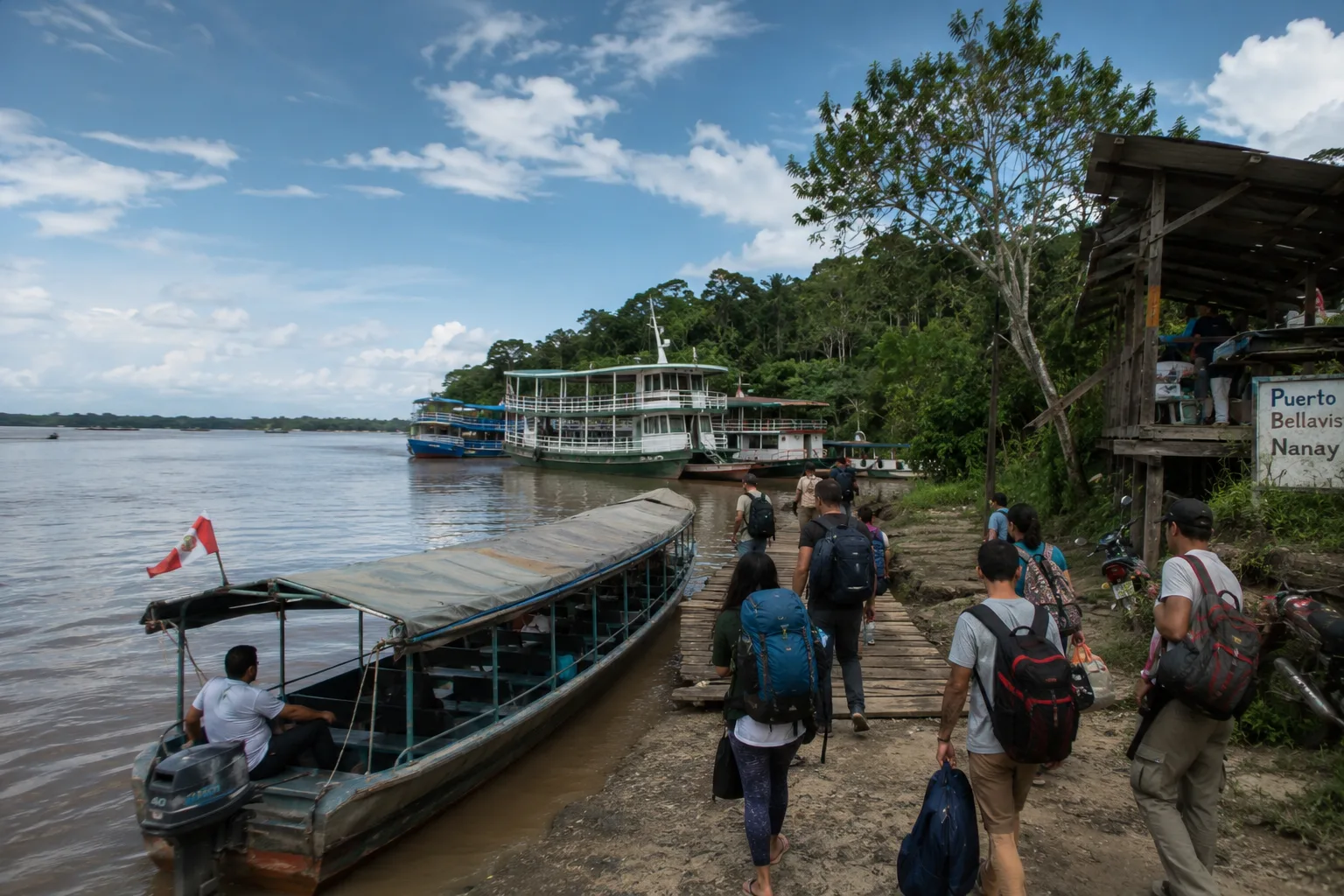
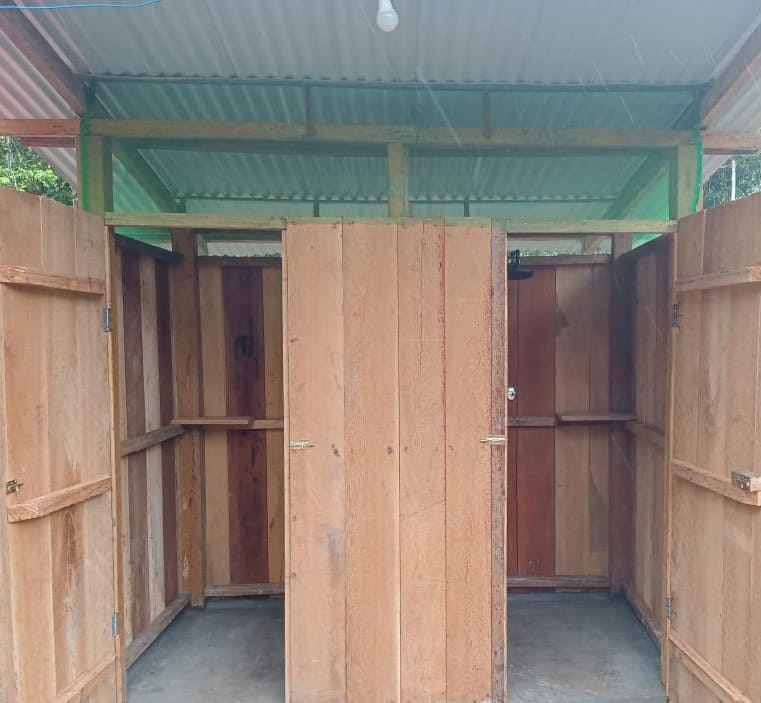
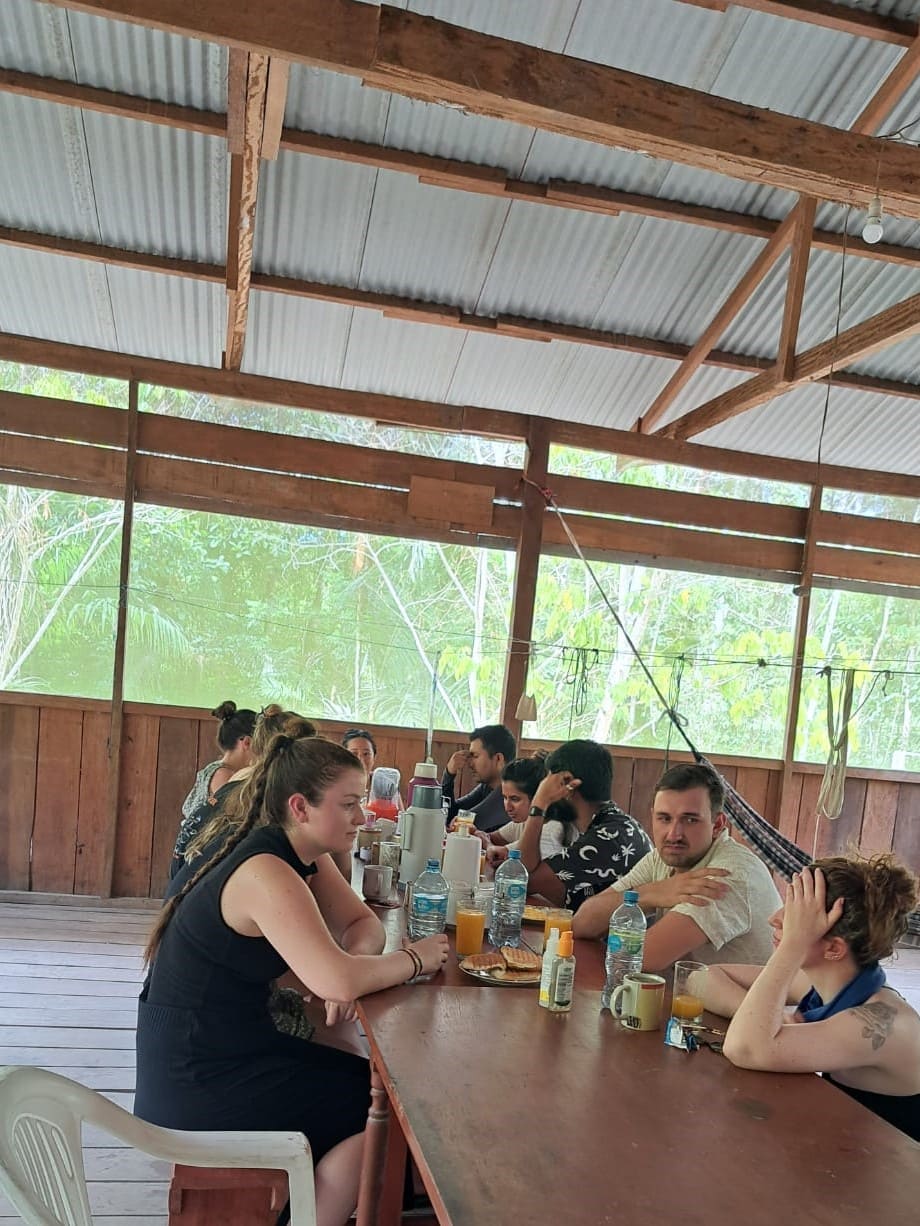
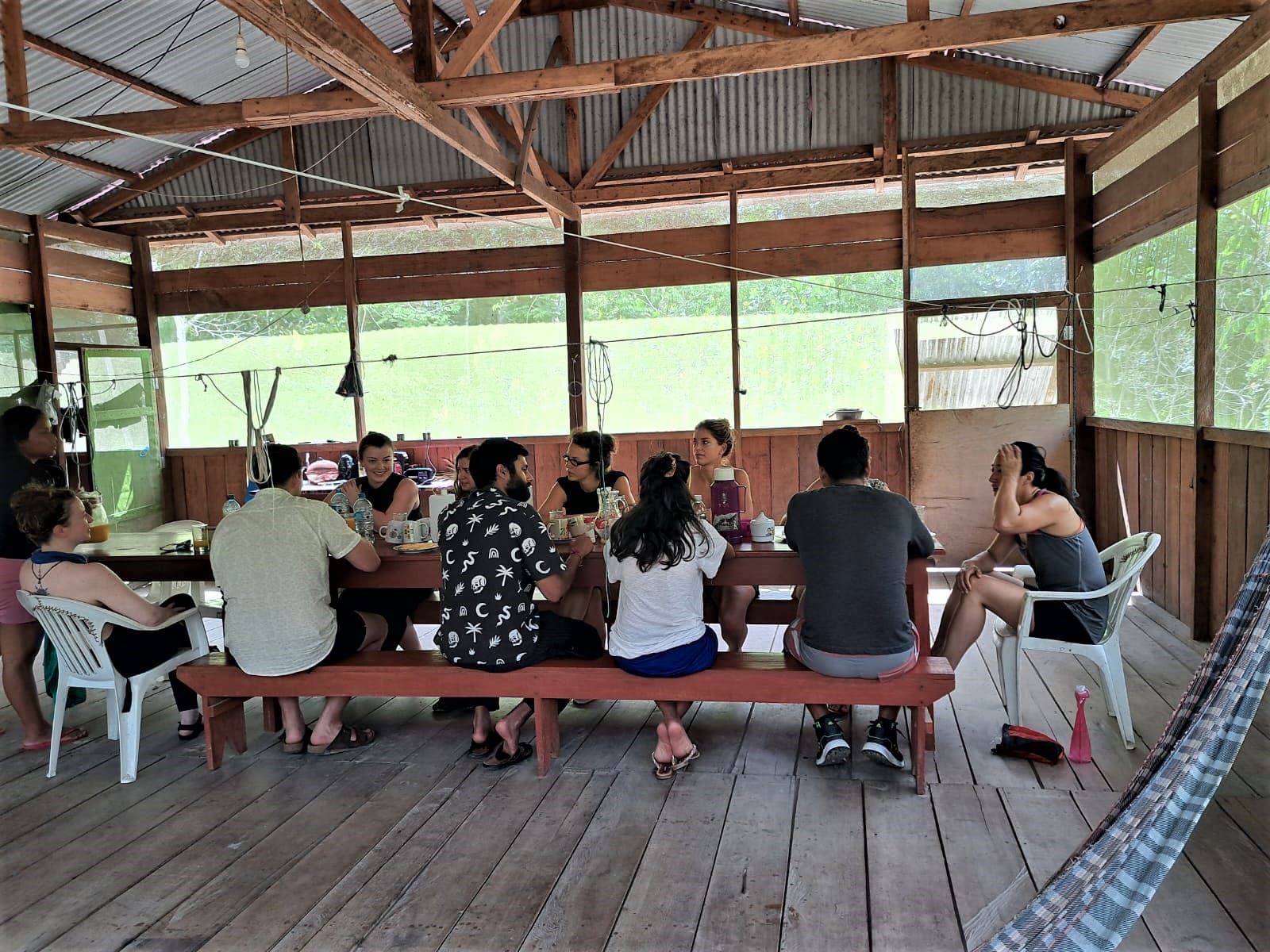
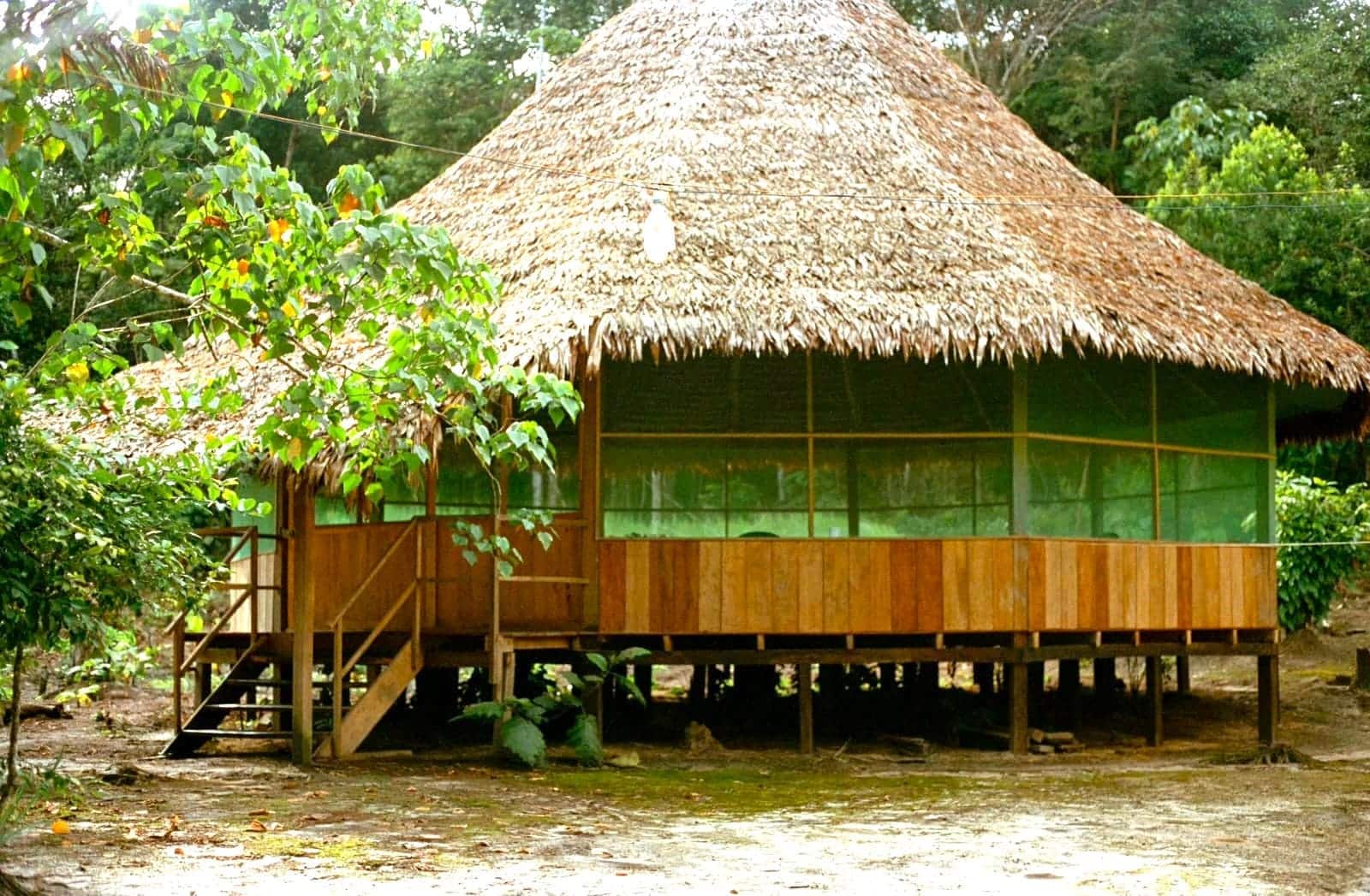
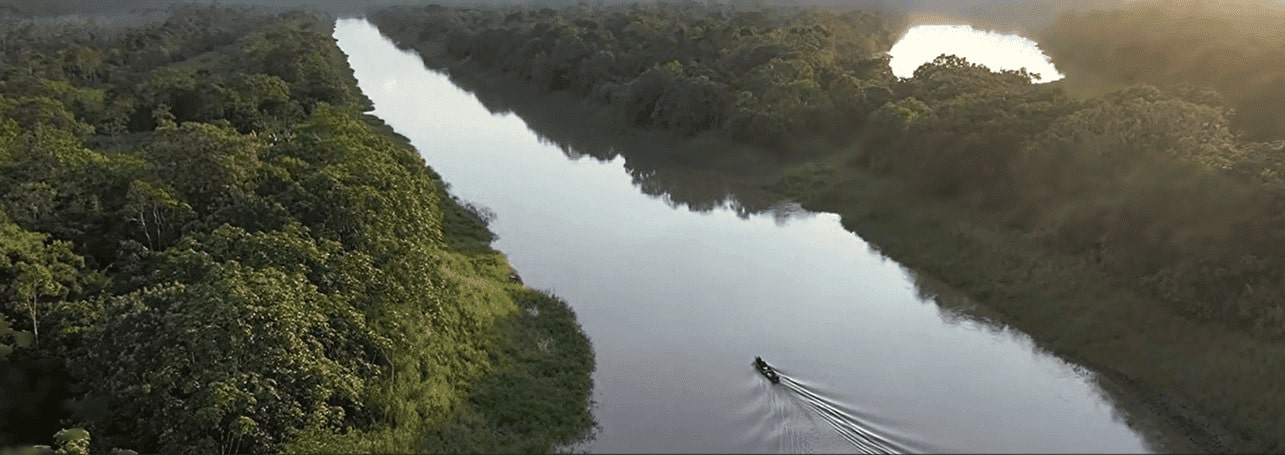
- Where we are: in the community of Nuevo Horizonte, near Tamshiyacu, about one hour by boat on the Amazon River from Iquitos.
- The retreats: 2, 3 and 4-day retreats, with 1, 2 or 3 ceremonies.
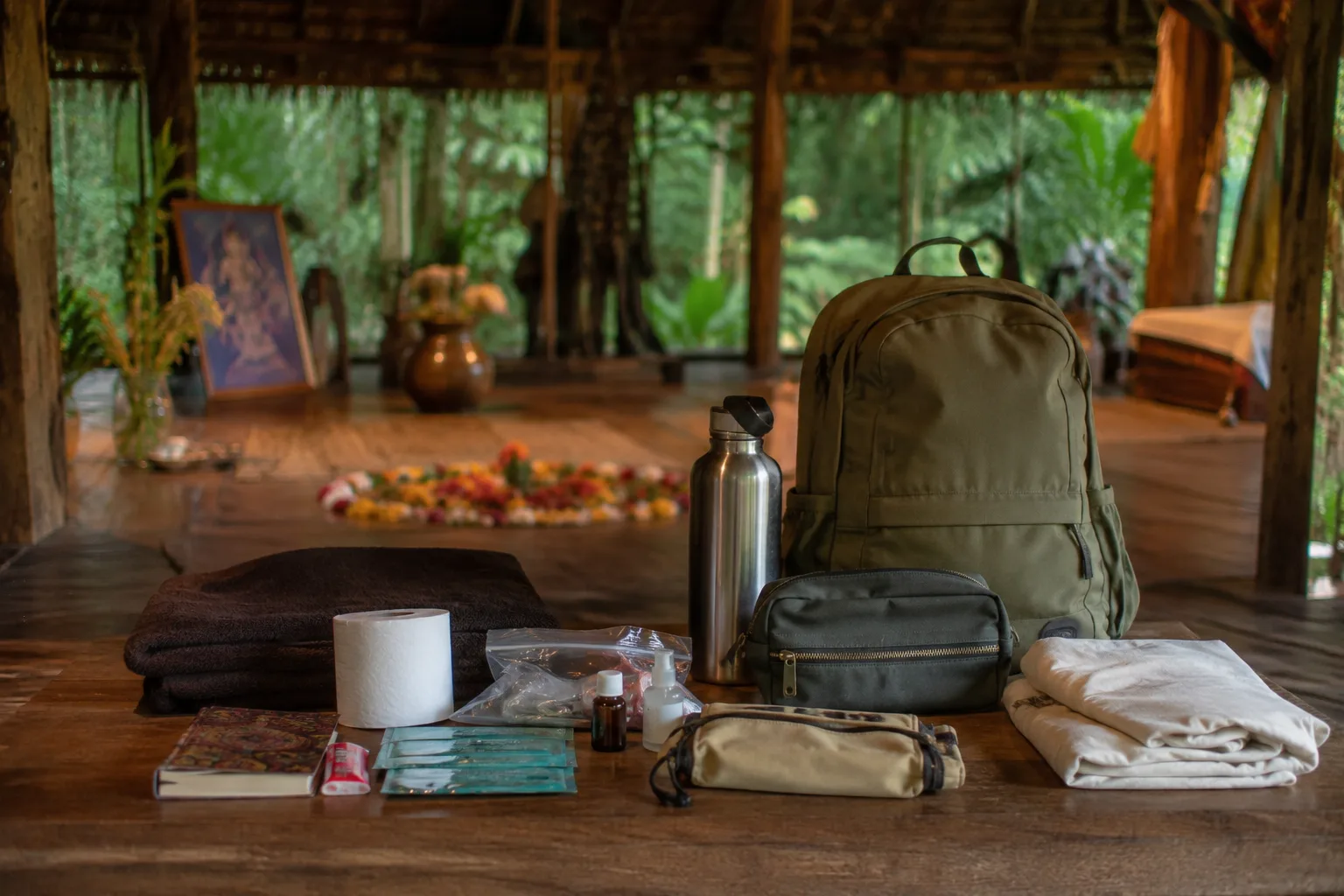
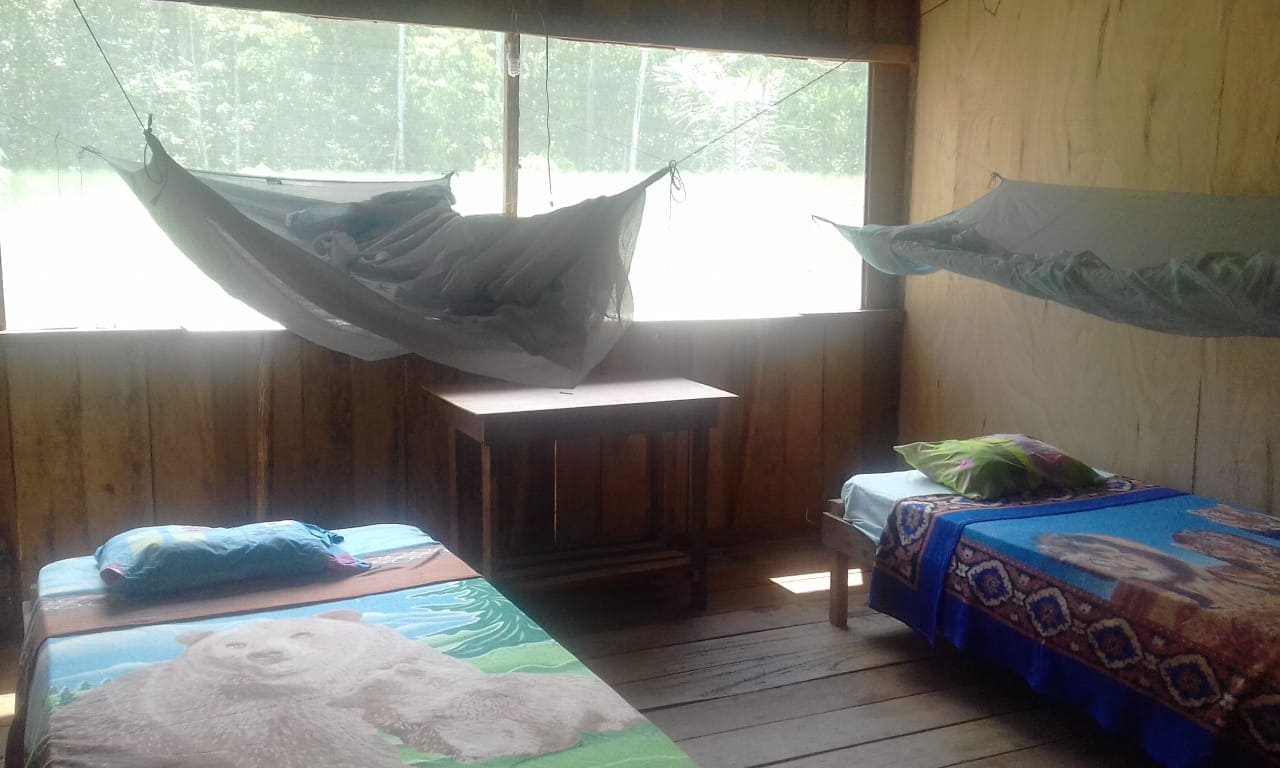
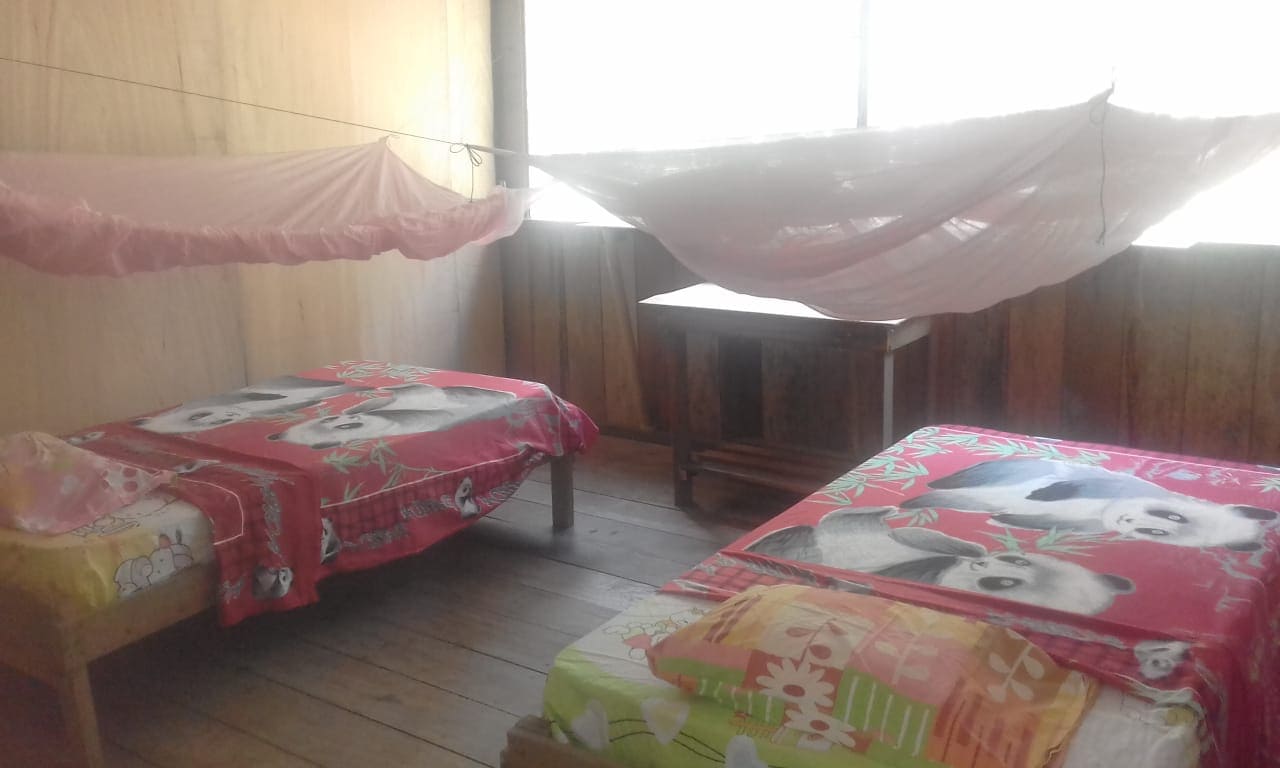
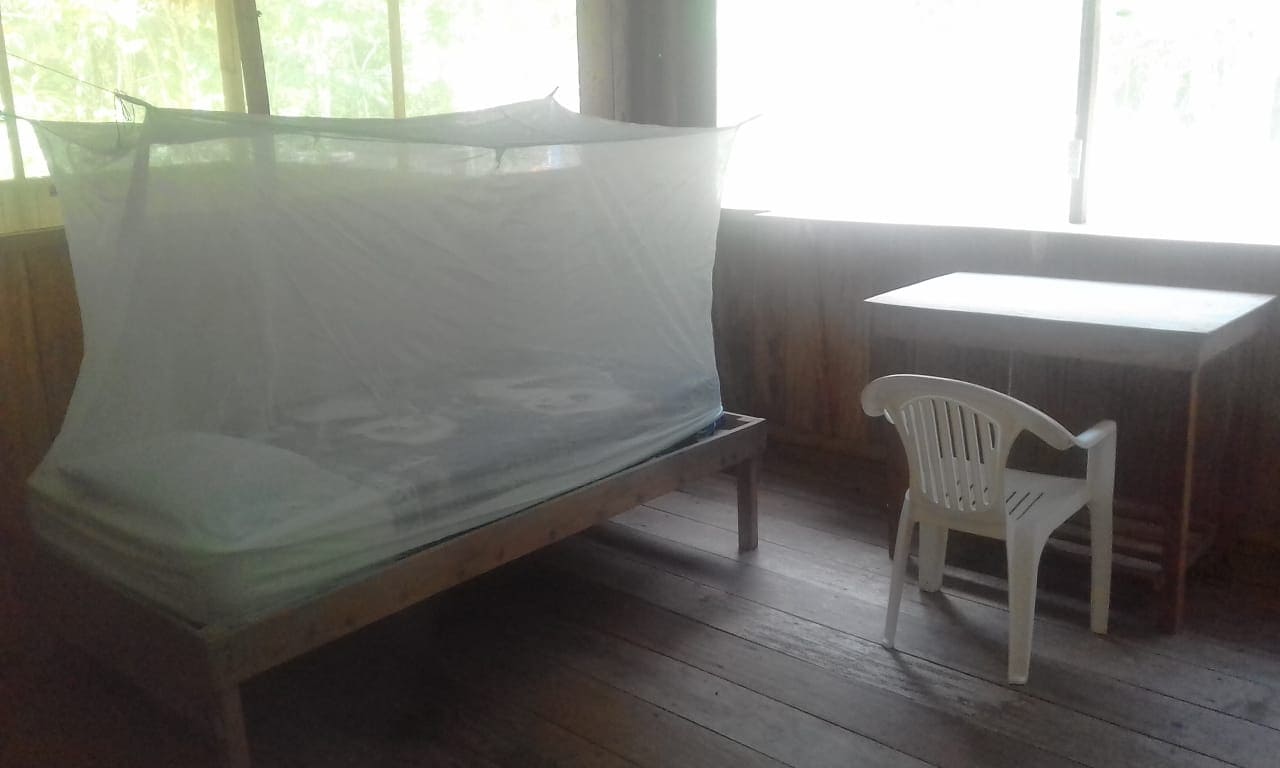
- What’s included: private accommodation, vegetarian meals following the diet, mapacho cleansing, integration, a jungle walk (3 and 4-day retreats) and English-speaking support.
- Reviews: 4.9 on Google with more than 570 reviews.


Other well-known centers
- Takiwasi (Tarapoto): a therapeutic center founded in 1992, known for its work with addiction through Amazonian medicine.
- Temple of the Way of Light (Iquitos): one of the best known among international travelers; works with Shipibo healers.
- Flower of Life (Iquitos): a retreat center that also offers shamanic courses.
- Dreamglade (Iquitos): a healing center in the rainforest near Iquitos.
- Ayahuasca Foundation (Amazon): retreats and courses with Shipibo healers in a nature reserve.
- Etnikas (Sacred Valley, Cusco): offers an integrative medicine approach.
Red flags when choosing a retreat
- Very low prices or very large groups.
- Nobody asks about your health or the medication you take.
- You don’t know who leads the ceremonies.
- Promises of cures or guaranteed results.
How to get to Awkipuma
Fly from Lima to Iquitos; we’ll meet you there and arrange your boat transfer on the Amazon River to the center.
Frequently asked questions about ayahuasca retreats in Peru
Where is the best place to do ayahuasca in Peru?
The Peruvian Amazon, especially Iquitos, where the ayahuasca tradition is strongest and the medicine is shared in its natural setting, the rainforest.
Is it safe to go to an ayahuasca retreat in Peru?
It depends on the center. Choose one that asks about your health and medication before you book, works with small groups and has an experienced maestro leading the ceremonies.
Can I attend an ayahuasca retreat if I take medication?
Tell us on WhatsApp what medication you take before booking. We do not recommend taking part if you are on antidepressants or other psychiatric medication, or if you have a history of schizophrenia.
How much does an ayahuasca retreat in Peru cost?
It depends on the retreat you choose, the number of ceremonies and your dates. At Awkipuma we give you a personalized quote on WhatsApp.
Do I need previous experience to attend an ayahuasca retreat?
No. What matters is preparing well with the ayahuasca diet and choosing a center that supports you before, during and after each ceremony.