Many people associate ayahuasca with emotional healing, spiritual insight, or deep self-reflection. However, one benefit that receives far less attention is how some individuals report positive lifestyle changes after the experience. These changes may include improved sleep routines, healthier eating patterns, reduced alcohol use, stronger self-discipline, and a renewed commitment to personal wellbeing.
This topic matters because long-term quality of life is often shaped more by daily habits than by one single event. While ayahuasca is not a magic solution, some participants describe it as a turning point that helped them reassess behaviors that were no longer serving them.
What Is Ayahuasca?
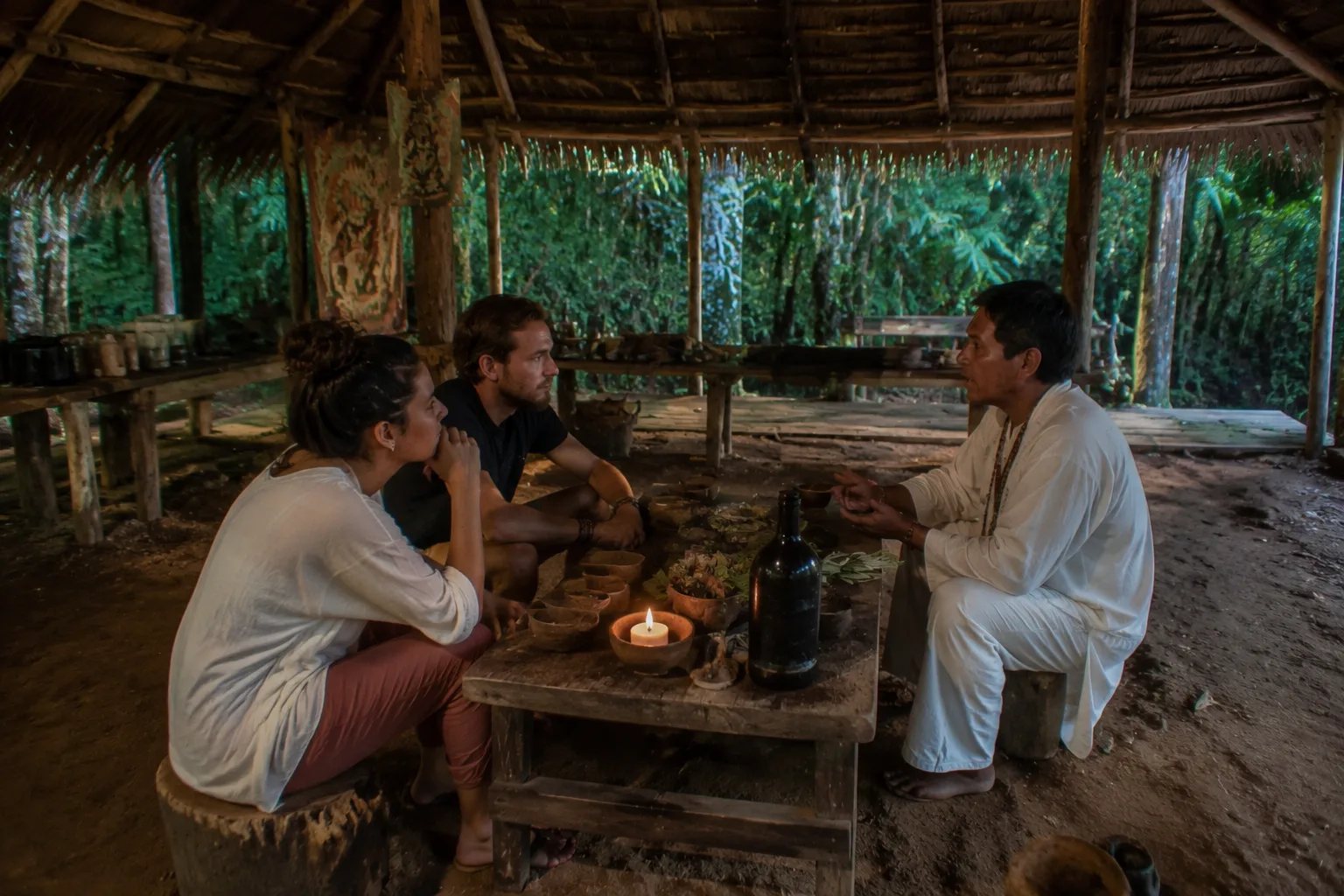
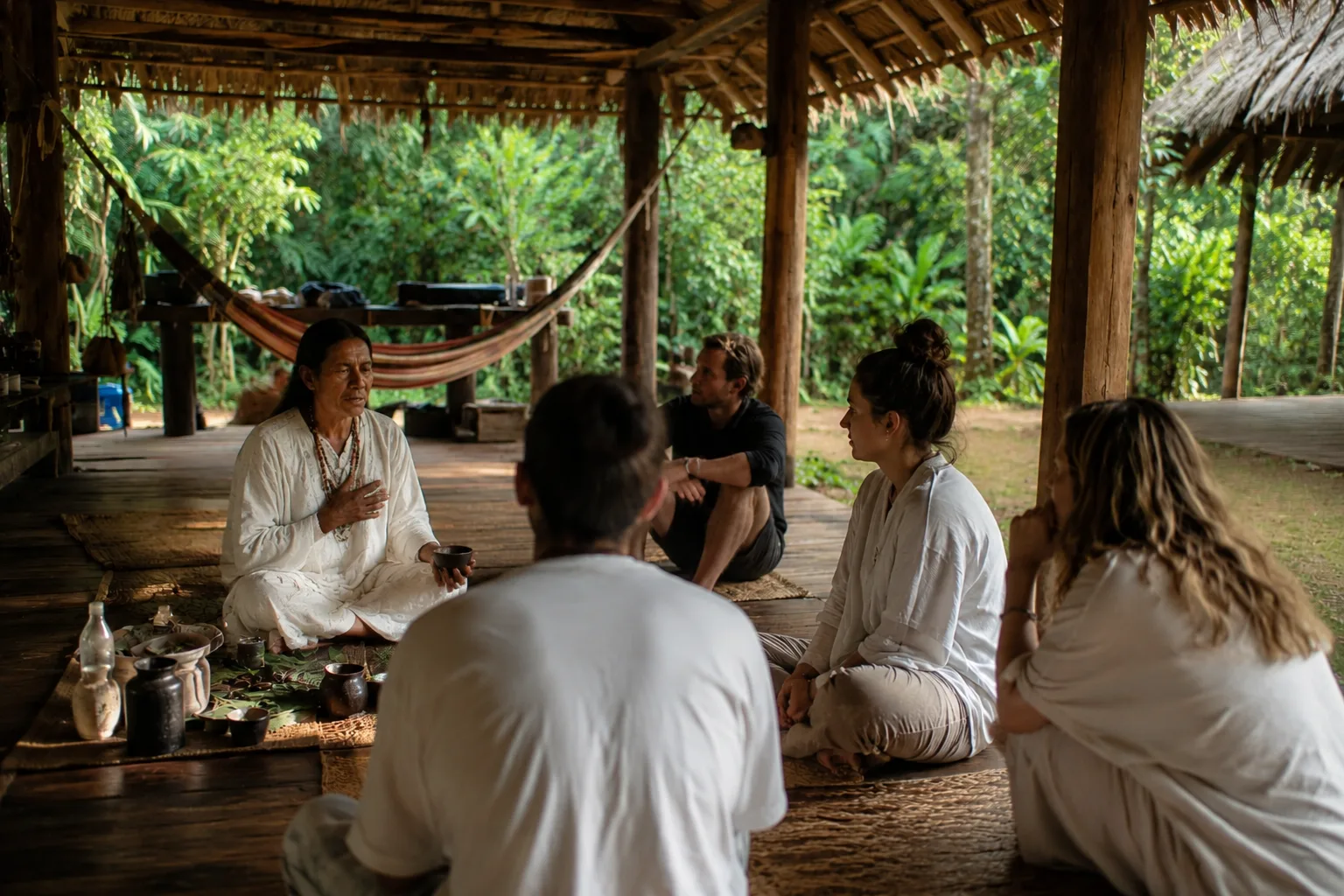
Ayahuasca is a traditional Amazonian brew used ceremonially for generations by Indigenous communities. In recent years, it has gained global attention for its potential psychological and emotional effects. Research is still developing, and outcomes vary greatly depending on the person, health history, setting, preparation, and integration process afterward.
It is important to understand that ayahuasca is not appropriate for everyone and may carry physical and mental health risks. Professional medical and psychological guidance is strongly recommended before considering any experience.
Why Habit Change Often Happens After Deep Reflection
Many unhealthy habits are not just about lack of discipline. They are often connected to stress, unresolved emotions, anxiety, trauma, burnout, or unconscious patterns.
Some people report that ayahuasca experiences help them become more aware of:
- Why they overeat or neglect nutrition
- Why they rely on alcohol or substances
- Why they avoid exercise or self-care
- Why they stay in stressful routines
- Why they disconnect from their body and health
This increased self-awareness may create motivation for change. In many cases, the experience itself is less important than the insight it generates.
Common Healthy Habits People Report After Ayahuasca
Although results differ from person to person, some commonly reported post-experience changes include:
1. Better Nutrition Choices
Some individuals describe feeling more conscious of what they consume. This can lead to:
- Eating more whole foods
- Reducing processed foods
- Drinking more water
- Becoming mindful of portion sizes
Rather than following extreme diets, people often report wanting to nourish their bodies more intentionally.
2. Reduced Alcohol or Substance Use
One of the most discussed post-retreat changes is decreased desire for alcohol or unhealthy coping behaviors. For some, the experience highlights how these habits affect relationships, mood, sleep, and health.
This does not mean addiction is “cured.” Substance dependence usually requires professional treatment and structured support.
3. Improved Sleep Routines
After periods of reflection, some people begin prioritizing rest. They may:
- Go to bed earlier
- Reduce late-night screen time
- Create calmer evening routines
- Respect recovery and downtime
Sleep improvement alone can positively influence mood, focus, and resilience.
4. More Movement and Exercise
Some participants describe reconnecting with their body and wanting to move more. This may look like:
- Walking regularly
- Returning to the gym
- Yoga or stretching
- Outdoor activities
The key shift is often internal: exercise becomes self-care instead of punishment.
5. Stronger Boundaries and Stress Reduction
Healthier habits are difficult when someone constantly lives in stress. Some individuals report becoming better at:
- Saying no
- Protecting personal time
- Leaving draining environments
- Reducing toxic patterns
This can indirectly improve many health behaviors.
Why Integration Is the Real Key
One of the biggest misunderstandings is believing ayahuasca alone creates lasting change. In reality, many experienced facilitators and therapists emphasize that integration afterward is what determines whether insights become action.
Healthy integration may include:
- Journaling lessons from the experience
- Therapy or counseling
- Habit tracking
- Mindfulness practices
- Setting realistic goals
- Building supportive routines
Without integration, even meaningful insights can fade quickly.
What Science Suggests So Far
Research into psychedelic-assisted mental health interventions is growing, but more high-quality studies are still needed. Some early findings suggest potential benefits in areas such as mood, emotional processing, and behavior change. However, results are not universal, and long-term outcomes depend heavily on support systems and follow-up care.
No responsible expert should present ayahuasca as a guaranteed solution.
Important Risks and Considerations
Ayahuasca is not risk-free. It may be dangerous for some individuals, especially those with:
- Heart conditions
- Bipolar disorder or psychosis risk
- Severe anxiety disorders
- Certain medications, especially antidepressants
- Substance instability
- Trauma without therapeutic support
A proper medical and mental health evaluation is essential.
Is Ayahuasca the Only Path to Better Habits?
No. Many of the same positive outcomes people seek can also be developed through:
- Therapy
- Coaching
- Meditation
- Structured wellness programs
- Exercise routines
- Support groups
- Trauma-informed care
Ayahuasca should never be framed as the only route to transformation.
Final Thoughts
For some people, ayahuasca may act as a catalyst for healthier habits by increasing self-awareness and motivation. Better nutrition, reduced alcohol use, improved sleep, and stronger boundaries are examples often reported after meaningful experiences.
Still, the real change usually comes from what happens afterward: consistent action, support, reflection, and lifestyle follow-through. Lasting wellbeing is built through daily choices, not one intense moment.
If someone is considering this path, individualized medical and psychological guidance is essential.
FAQs
Can ayahuasca help change unhealthy habits?
Some people report positive lifestyle changes afterward, but results vary and depend on integration and personal circumstances.
Does ayahuasca cure addiction?
No. It should not be considered a cure. Addiction often requires professional treatment and long-term support.
Why do people eat healthier after ayahuasca?
Some individuals say they become more aware of how food affects their body and emotions.
Is ayahuasca safe for everyone?
No. It may pose risks, especially for people with certain medical or mental health conditions.
What matters most after the experience?
Integration—turning insights into practical daily habits through reflection, therapy, and consistent action.